
English 


Views: 0 Author: Site Editor Publish Time: 2026-05-20 Origin: Site


The sticker shock of veterinary care is a primary pain point for pet owners today. Clinical costs accelerate rapidly due to advanced treatment options and rising operational overhead. Traditional advice often centers on securing high-premium pet insurance. Many families simply rely on emergency credit lines to cover unexpected crises. However, modern evaluation is shifting toward holistic cost-management platforms. Moving beyond reactive out-of-pocket models requires understanding the true anatomy of a vet bill. You must evaluate whether an Innovative Pet Care System offers a more predictable Total Cost of Ownership (TCO) for the lifespan of your pet. This proactive approach fundamentally changes how you budget for animal healthcare.
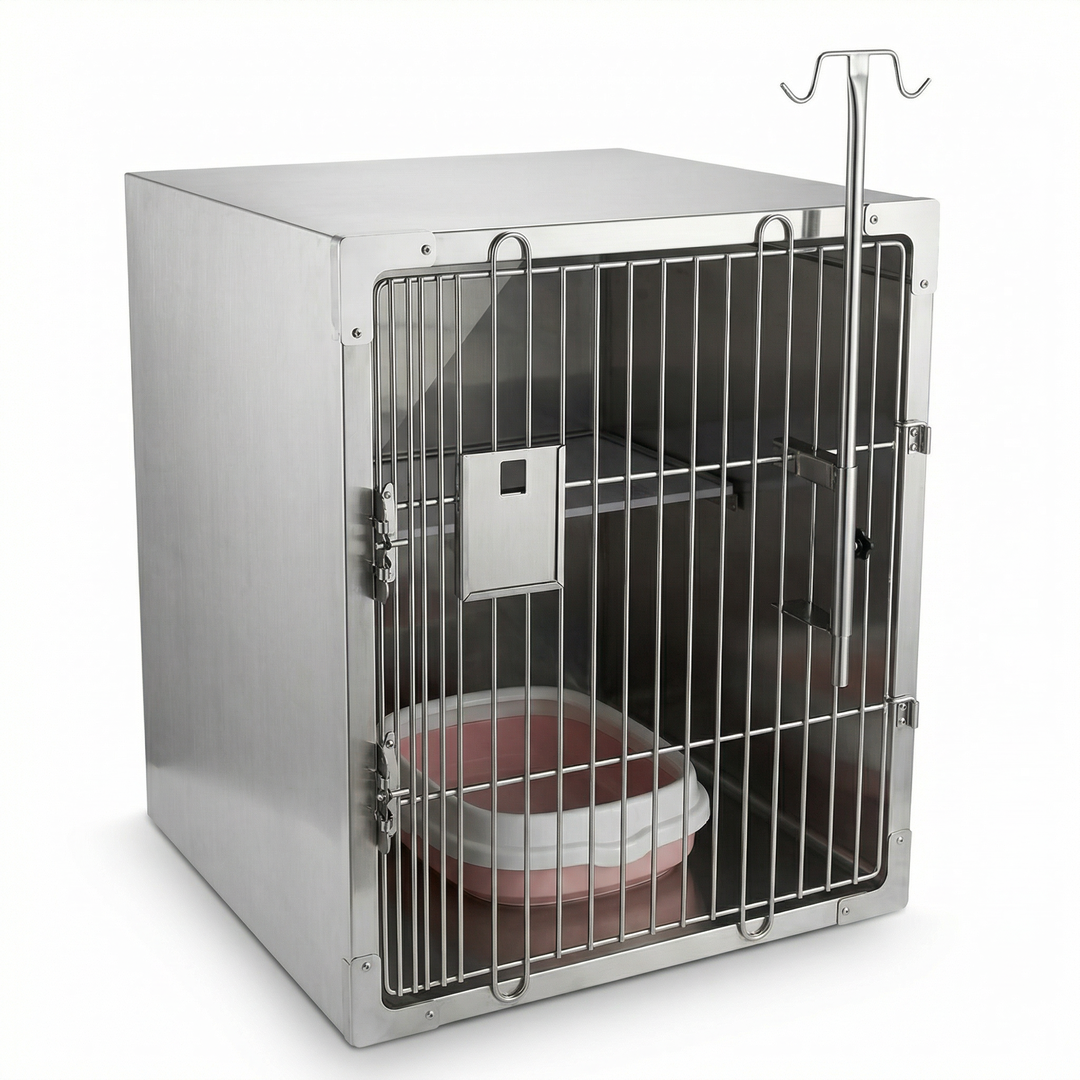
Base vs. Actual Costs: A standard visit fee merely covers the physical exam; diagnostics and procedural add-ons are where TCO exponentially increases.
Macro-Economics of Care: Rising costs are tied directly to specialized veterinary labor shortages and clinical overhead, not just inflation.
Model Shift: Traditional insurance relies on a "pay-first, reimburse-later" model, whereas an Innovative Pet Care System focuses on proactive health management to lower lifetime costs.
Evaluation Criteria: Assessing a modern pet care framework requires analyzing network scalability, preventive care ROI, and platform usability.
Consumers often confuse the "exam fee" with the total visit cost. This misunderstanding leads to massive budget deficits. It also creates intense decision-making friction at the clinic. You walk in expecting a simple consultation charge. You walk out holding an invoice three times larger. We need to dissect exactly how veterinary clinics structure their pricing.
Deconstructing the invoice reveals multiple billing layers. The initial visit or consultation fee is just a baseline cost. It only secures the veterinarian's time and reserves the clinical space. Once you enter the exam room, additional services quickly inflate the bill. Diagnostics and labs form a major expense category. These include bloodwork, allergy testing, and advanced imaging. Clinics frequently outsource these tests to third-party reference laboratories. Outsourcing adds significant margin costs to your final total. Preventative routines also drive up routine expenses. Vaccinations and flea or tick control add up over time. Dental cleanings require general anesthesia. This requirement severely impacts the overall cost of routine oral care.
Invoice Element | What It Covers | Budget Impact Level |
|---|---|---|
Base Exam Fee | Doctor's time, physical room, basic palpation. | Low to Moderate |
Diagnostics & Labs | Blood panels, urinalysis, X-rays, external lab fees. | High |
Preventative Care | Vaccines, parasite control, routine dental cleanings. | Moderate (Predictable) |
Emergency Intervention | Triage, oxygen, surgery, overnight hospitalization. | Extreme (Unpredictable) |
The TCO reality goes far beyond scheduled wellness checks. Unpredictable emergency interventions create massive spikes in your annual care budget. Toxin ingestion requires immediate poison control protocols and IV fluids. Torn cruciate ligaments demand expensive orthopedic surgeries and extensive rehabilitation. These events prove a critical point. Static savings accounts rarely hold enough funds to weather sudden catastrophes. You need a better strategy to manage these procedural realities.
Understanding the macroeconomic drivers behind vet bills helps contextualize the pricing. We must establish credibility by explaining why bills run high. Criticizing local clinics ignores the heavy financial burdens they face. The entire veterinary sector operates under immense financial pressure.
Advanced veterinary medicine requires highly compensated, specialized talent. A modern companion animal veterinarian graduates carrying significant student debt. They demand competitive salaries to survive. Urban clinics carry massive overhead burdens. Providing 24/7 staffing requires premium shift pay. Administrative front-desk costs consume a large portion of revenue. Commercial real estate in accessible urban centers commands premium lease rates. Medical equipment costs mirror human healthcare standards. MRI machines and advanced surgical suites require heavy capital investments.
The lifespan factor also changes the financial landscape. Medical advancements mean companion animals live much longer today. This demographic shift moves costs toward complex, long-term geriatric care. A senior pet often develops chronic conditions requiring continuous management. Oncology treatments for cancer extend life but cost thousands. Chronic kidney disease demands specialized prescription diets and frequent subcutaneous fluids. You pay more over the pet's lifetime because they survive longer.
Best Practice for Pet Buyers:
Because these macroeconomic factors will not reverse, consumers must adapt. Change how you consume veterinary care rather than waiting for prices to drop. Prioritize preventive health measures early. Establish baselines before chronic diseases manifest.
Comparing legacy financial safety nets against modern operational models reveals striking differences. The legacy approach relies heavily on shifting financial risk after an incident occurs. Pet insurance represents the primary traditional defense. However, standard policies feature high deductibles and strict pre-existing condition exclusions. They typically enforce reimbursement delays. You must often utilize cash-back credit strategies just to manage the initial float. You pay the clinic upfront. You hope the insurance provider approves the claim weeks later.
Lean "walk-in" clinics offer another traditional alternative. These stripped-down models reduce administrative overhead to offer cheaper vaccinations. They function well for basic preventative shots. Unfortunately, they lack comprehensive chronic disease management capabilities. You cannot rely on them for complex diagnostics or continuous care.
The modern approach introduces a smarter operational framework. Implementing an Innovative Pet Care System fundamentally alters the cost trajectory. We define this as a hybrid healthcare model. It integrates telehealth triage directly into your daily routine. It utilizes centralized digital medical records for instant access. It offers tiered, transparent subscription-based wellness plans. These features shift focus from reactive treatment to proactive wellness.
Telehealth Triage: Access to remote professionals prevents unnecessary emergency room visits.
Digital Records: Centralized data prevents duplicate testing across different clinics.
Subscription Plans: Predictable monthly fees cover routine care and smooth out annual budgets.
We must acknowledge a trustworthiness note here. No system covers 100% of catastrophic emergencies. You still face risks if a major accident occurs. However, a systemic approach drastically reduces the frequency of unnecessary physical visits. You stop paying exam fees for minor issues you can manage at home.
You must rigorously evaluate a platform or provider before committing your resources. Assessing a modern pet care framework requires analyzing several specific dimensions. We look closely at features-to-outcomes, system scalability, and overall ROI.
Assessing a modern Innovative Pet Care System requires analyzing several specific dimensions, starting with the features-to-outcomes ratio. Does the system offer 24/7 digital triage? Does the system offer 24/7 digital triage? Immediate remote advice often prevents a panicked, expensive midnight emergency room run. Are routine vaccination schedules optimized? A good system differentiates between essential core vaccines and optional lifestyle vaccines. This optimization prevents over-medicalization and saves money.
Scalability represents another vital evaluation metric. A puppy or kitten requires a high-frequency vaccination phase. A senior pet needs rigorous chronic care management. Can the system adapt from one life stage to the next? You want a platform capable of handling this transition effortlessly. Switching providers mid-life breaks continuity of care and causes data loss.
Life Stage | Care Requirements | Platform Feature Match |
|---|---|---|
Puppy / Kitten (0-1 Year) | Frequent vaccines, parasite prevention, spay/neuter. | Automated scheduling, preventative bundles. |
Adult (1-7 Years) | Annual wellness, dental care, acute injury triage. | Telehealth triage, dental add-ons. |
Senior (7+ Years) | Blood panels, chronic disease monitoring, pain management. | Digital record tracking, remote monitoring alerts. |
Finally, calculate the ROI and TCO drivers. Finding the break-even point provides financial clarity. Follow these steps to conduct your calculation:
Sum your historical out-of-pocket costs for the past 12 months.
Include separate exam fees, routine diagnostics, and late-night emergency consults.
Compare this historical total against the annual cost of the subscription or membership model.
Factor in the value of time saved through digital triage services.
If the subscription cost runs lower than your reactive spending, the system proves its financial worth.
Switching to a new care model introduces specific experience and adoption risks. You need to know what happens when you actually change your clinical approach. Theoretical savings mean little if the execution fails. Let us examine the friction points you will likely encounter.
Data portability presents the most immediate challenge. Transferring historical medical records creates significant administrative friction. Moving imaging files, lab results, and vaccine logs into a new digital ecosystem takes time. Many legacy clinics use outdated software. They might print records rather than emailing digital files. You must proactively manage this transfer process to ensure your new provider has complete context.
Network limitations also require careful consideration. Understand the trade-offs between "in-network" systemic care benefits and geographic limitations. If you travel frequently or move across the country, a highly localized system might fail you. Ensure the platform offers robust national telehealth support. Check if they partner with clinics in your travel destinations.
Common Mistake:
Never cancel an existing insurance policy before fully onboarding into your new care system. A gap in coverage leaves you entirely exposed to catastrophic out-of-pocket costs.
Use a strict shortlisting logic to finalize your choice. Audit your pet's medical expenses from the last 12 months. Cross-reference those exact expenses with the transparent pricing tiers of top pet care systems. Verify the platform’s compliance with local veterinary telehealth regulations. Some states restrict veterinarians from prescribing medications via telehealth without a prior in-person exam. Knowing your local laws prevents frustrating service blocks.
The average cost of a companion vet remains highly variable across different regions and care levels. However, the financial trajectory points universally upward. Rising labor costs, advanced medical technologies, and longer pet lifespans guarantee that care will only grow more expensive. You cannot control these macroeconomic forces.
Managing these costs requires moving away from reactive spending habits. Transitioning to a modernized care framework provides immense benefits. It delivers the data transparency, preventative focus, and predictable pricing you desperately need. This approach successfully protects both your pet's health and your household budget simultaneously.
Take action today to secure your financial future. Pull your past year's veterinary invoices and categorize the expenses. Use this data as a baseline to evaluate a comprehensive pet care plan right now. Stop waiting for the next emergency to dictate your spending.
A: A routine check-up without insurance typically costs between $50 and $150. This baseline fee covers only the physical exam and the veterinarian's time. It does not include necessary diagnostics, vaccinations, or preventative medications. Expect the final invoice to double if the doctor recommends standard bloodwork or parasite prevention during the visit.
A: A puppy's first visit involves front-loaded costs for foundational care. You can expect to pay between $100 and $300. This includes the initial exam fee, deworming treatments, fecal testing, and the first round of core vaccines (like DAPP). Subsequent booster visits over the next few months will add to this total.
A: Yes, location heavily dictates pricing. Urban clinics carry massive overhead costs, including premium commercial rent and higher staff salaries. A routine exam in San Francisco or New York may cost double the price of the exact same exam in a rural Midwestern town. Market demand also drives up urban rates.
A: Telehealth cannot replace necessary physical diagnostics, surgeries, or complex palpations. However, it excels at behavioral monitoring, nutritional counseling, and post-operative follow-ups. Most importantly, digital triage helps determine if a symptom requires an immediate, expensive ER visit or if you can safely monitor it at home overnight.


