
English 


Views: 0 Author: Site Editor Publish Time: 2026-06-20 Origin: Site


Treating clinical furniture as a mere commodity often creates hidden operational burdens. Staff frequently suffer musculoskeletal injuries during routine exams. Workflow bottlenecks emerge when equipment fails to adjust quickly. Patient dissatisfaction quietly grows in the waiting room due to delayed throughput. The standard of care has fundamentally shifted away from fixed-height manual platforms. Changing patient demographics and stricter healthcare compliance protocols drive this shift. Modern clinics must now adopt accessible, height-adjustable solutions. Relying on outdated equipment simply introduces unnecessary risk and liability. This guide provides clinical directors and procurement managers with an objective, evidence-based evaluation framework. You will discover exactly what features matter most to avoid costly missteps. We explore five crucial considerations for selecting the right table to protect your staff and support your patients.
Upgrading to an Elevating Examination Table directly impacts clinical ROI by improving patient throughput and reducing staff injury claims.
ADA compliance is a hard baseline; evaluate tables for low-entry accessibility (17-19 inches) and stable transfer support.
Hands-free controls, such as a foot-operated elevating examination table, are critical for maintaining sterile fields and ergonomic workflows.
Total cost of ownership (TCO) must factor in infection control (seamless upholstery) and bariatric weight capacities.
Accessibility compliance serves as the absolute baseline for modern clinic infrastructure. ADA guidelines require accessible medical equipment to ensure safe, dignified transfers for patients possessing limited mobility. A standard fixed-height table presents a formidable barrier for many individuals. It forces staff to physically lift patients, creating dangerous scenarios for everyone involved.
Integrating an Elevating Examination Table is the most reliable way to meet the critical 17 to 19-inch minimum low-height transfer requirement. When a table descends to this specific height range, it aligns perfectly with standard wheelchair seat elevations. Patients can slide across smoothly rather than stepping up. This reduces liability risks significantly while improving the patient experience.
Elderly individuals, wheelchair-bound patients, and pregnant populations benefit immensely from this design. They experience less anxiety and physical strain during the crucial first moments of their appointment. When evaluating any model, always verify the absolute lowest height setting mechanically possible. You must also confirm the presence of stable, load-bearing grab bars. Transfer supports must withstand heavy lateral forces without shifting or bending.
Best Practice: Conduct a physical test using a standard clinic wheelchair. Position the chair next to the lowered table to ensure the gap is minimal and the transfer surfaces align perfectly.
The healthcare industry faces a remarkably high rate of musculoskeletal disorders (MSDs) among nurses and physicians. Repetitive lifting, awkward bending, and sustained poor posture over fixed tables drive these statistics. When practitioners constantly lean over a high surface or stoop down to reach a low one, their spinal health deteriorates rapidly. This hidden cost of poor design leads to increased sick leave and early burnout.
Implementing a foot-operated elevating examination table provides a distinct operational advantage. It allows practitioners to adjust patient height dynamically using only their feet. They never have to break a sterile field by touching hand controls or manual levers. They maintain neutral, healthy body mechanics throughout complex procedures.
We must also consider the reality of daily clinical workflows. The mechanical drive systems controlling these tables vary wildly in quality. You need smooth, quiet motor drives. Loud, grinding, or jerky elevation sequences cause immediate patient anxiety. A sudden jolt during an exam disrupts the clinical environment and erodes patient trust. High-quality actuators ensure the transition from sitting to examining feels entirely seamless.
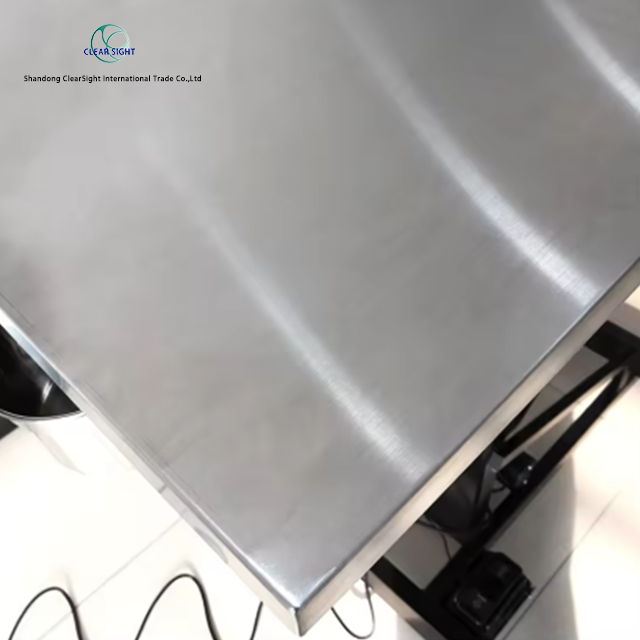
General practices increasingly face the need for bariatric-ready equipment. Patient demographics continue to shift, meaning older capacity standards fall dangerously short. A standard 400-pound capacity is increasingly insufficient for modern, scalable healthcare facilities. Upgrading structural integrity prevents catastrophic equipment failure and patient injury.
Buyers routinely confuse static resting limits with active lifting limits. You must evaluate the dynamic lifting capacity. This metric indicates the motor's actual ability to smoothly elevate a specific weight without straining or stalling. We recommend establishing a strict baseline of 500 to 650+ pounds for dynamic lifting to properly future-proof your facility.
However, increased weight capacity often introduces hidden implementation risks. Some manufacturers achieve higher ratings by expanding the base footprint excessively. A wide base creates a tripping hazard and obstructs practitioner movement around the patient. Additionally, heavy-duty motors might demand excessive power draw. You must verify that your existing clinic wiring can support the electrical load without tripping breakers.
Capacity Metric | Definition | Clinical Implication | Recommended Baseline |
|---|---|---|---|
Static Load Weight | Maximum weight supported while the table remains completely stationary. | Indicates structural frame strength but ignores motor capability. | 800+ lbs |
Dynamic Load Weight | Maximum weight the motor can safely lift and lower smoothly. | Critical for active patient adjustment and safe bariatric care. | 500 - 650+ lbs |
Surface material realities dictate a large portion of daily maintenance routines. Stitched seams on traditional upholstery harbor dangerous bacteria. Fluid ingress through tiny needle holes creates biohazard risks beneath the surface. Furthermore, stitched vinyl degrades rapidly under the harsh, hospital-grade chemical disinfectants required between appointments.
To secure a positive feature-to-outcome ratio, prioritize seamless, antimicrobial upholstery. Modern thermoformed tops eliminate hidden crevices entirely. They withstand continuous, rigorous cleaning protocols without cracking, fading, or peeling over time. This directly improves your baseline infection control metrics.
We must also reframe maintenance as a fundamental workflow issue rather than just a mechanical chore. Complex internal mechanisms paired with hard-to-reach electronics lead to extended downtime. When a table breaks, that exam room sits empty. Look specifically for equipment utilizing modular motor components.
Daily Disinfection: Wipe down the seamless top using approved, non-abrasive hospital-grade cleaners.
Weekly Inspection: Check the foot pedals and power cords for any signs of physical wear.
Annual Servicing: Lubricate modular pivot points and test the actuator for smooth dynamic lifting.
Clinical flexibility remains paramount when outfitting a multi-disciplinary space. An examination table must match the precise diagnostic needs of the practice. A dermatology clinic requires drastically different patient positioning than a busy OB/GYN practice or an urgent care center. Modularity ensures the equipment adapts to the provider, rather than forcing the provider to adapt.
Specific specialties demand distinct, built-in features to optimize care delivery. Evaluating these must-have functionalities prevents the need for expensive secondary equipment purchases later.
Women's Health: Look for seamless pelvic tilt functionality and hidden, articulating stirrups to ensure patient comfort and proper positioning.
Cardiology & Respiratory: Prioritize adjustable backrests and drop sections that allow rapid repositioning for echocardiograms or breathing assessments.
General Practice: Seek out integrated storage drawers or pass-through side compartments to optimize extremely small exam room footprints.
Common Mistake: Avoid over-customizing your tables with proprietary accessory mounts. Many vendors use unique rail systems that lock your clinic into a single vendor ecosystem. Always seek standardized accessory rails that accept universal IV poles, safety straps, and diagnostic attachments.
Moving past initial upfront expenditure allows you to understand the true lifecycle valuation of clinical infrastructure. A durable table serves your practice actively for 7 to 10 years. You must calculate value over this extended lifespan, factoring in anticipated motor warranties and the eventual need for upholstery replacement. Cheaper models often require full replacement within three years, negating any initial savings.
Applying a rigorous vendor evaluation framework separates reliable partners from mere equipment liquidators. Heavy medical furniture requires specialized handling. Ask vendors if they provide dedicated, inside delivery and full uncrating, or if the unit is merely drop-shipped to your loading dock. Uncrating a 400-pound motorized unit internally poses massive risks to untrained staff.
Investigate standard lead times for critical replacement parts. If a foot pedal or actuator fails, you need a replacement shipped overnight. Vendors requiring six weeks to source a basic motor component will cripple your room availability. Determine their service network reach before committing to a purchase.
Evaluation Category | Crucial Question to Ask Vendors | Red Flag Response |
|---|---|---|
Delivery & Setup | Do you provide white-glove inside installation? | "We drop-ship to the loading dock only." |
Parts Availability | What is the lead time for replacement motors? | "Parts ship internationally in 4-6 weeks." |
Warranty Coverage | Does the warranty cover both the frame and electronics? | "Only the steel frame is covered for 5 years." |
Your immediate next step requires internal data gathering. Audit your current patient demographic mix to understand your true bariatric needs. Review your staff injury logs over the past two years to identify ergonomic pain points. Armed with this hard data, you can confidently request customized product demonstrations that address your exact clinical realities.
An examination table functions as an active, critical clinical tool, not merely passive room furniture. The safety of your practitioners and the comfort of your patients rely heavily on this central piece of equipment. Balancing strict accessibility compliance, advanced ergonomics, and long-term durability is essential for any successful clinic upgrade.
Prioritize a 17-19 inch low-height entry to guarantee safe, dignified patient transfers.
Protect your staff's physical health by implementing smooth, hands-free elevation controls.
Demand seamless surfaces and modular mechanics to maximize daily uptime and infection control.
Ensure dynamic weight capacities meet the shifting demands of modern bariatric care.
Take proactive steps today to secure your clinical environment. Consult directly with a dedicated medical equipment specialist to perform a comprehensive audit of your existing exam rooms. Download a detailed specification-comparison checklist to ensure every future purchase aligns perfectly with your workflow needs.
A: Yes. Many eligible small businesses utilize IRS Section 44, known as the Disabled Access Credit. This credit helps offset the cost of acquiring equipment that brings your facility into ADA compliance. Because tax regulations frequently change based on practice size and revenue, you should always consult with a certified tax professional to verify your specific eligibility.
A: Under standard clinical conditions, high-quality electric actuators typically last between 5 to 10 years. This lifespan depends heavily on your daily cycle volume and adherence to routine maintenance schedules. Choosing equipment with modular motor components allows you to swap out aging parts efficiently, extending the table's overall operational life well beyond a decade.
A: Premium models frequently feature integrated battery backup systems designed specifically for power outages. These systems allow practitioners to safely lower patients and complete essential positioning during emergencies. If a table lacks a battery backup, you should look for mechanical manual override levers to ensure patients are never stranded in an elevated position during a blackout.


