
English 


Views: 0 Author: Site Editor Publish Time: 2026-05-19 Origin: Site


Ask anyone in veterinary medicine about their biggest crisis, and they usually cite a massive talent shortage. However, deeper industry data reveals a much more nuanced reality. The actual root cause is high attrition driven by operational burnout and extreme administrative overload.
Modern clinics face rapidly rising client expectations alongside incredibly complex medical demands. Unfortunately, they remain severely limited by outdated workflows and clunky legacy software. This mismatch creates an unsustainable environment for clinical teams everywhere.
Solving this crisis demands a completely different approach rather than simply trying to hire more doctors. You must focus on optimizing your existing operations first. By adopting an Innovative Pet Care System, clinics can eliminate workflow bottlenecks, drastically improve profit margins, and protect staff well-being. This shift transitions your practice from constant survival mode into sustainable growth.
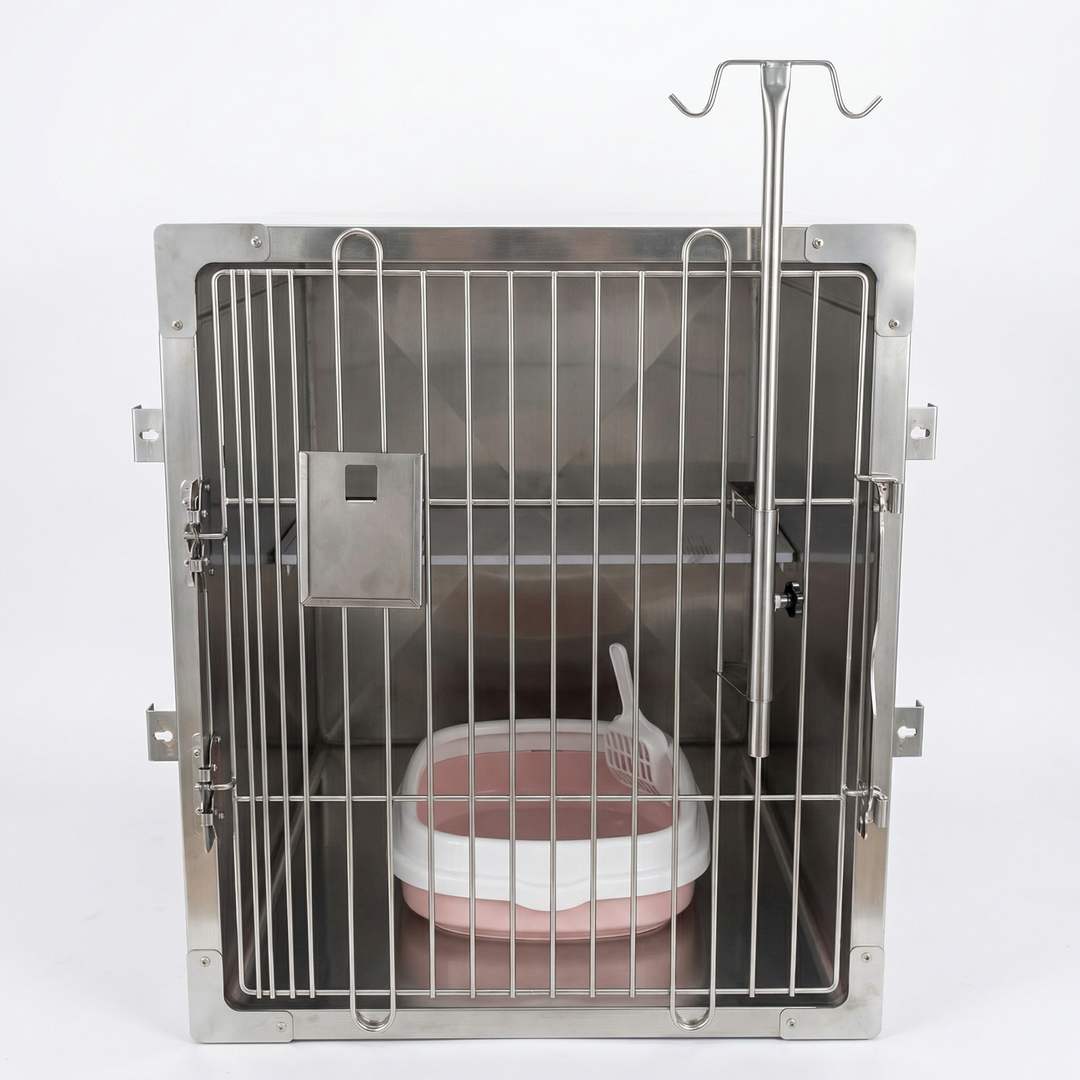
The core crisis is staff retention driven by administrative fatigue, not just a macro-level talent shortage.
Upgrading to an innovative pet care system reduces non-clinical workloads, directly impacting both burnout rates and operational margins.
Evaluating veterinary software requires looking past basic features to assess workflow scalability, integration ease, and staff adoption friction.
True ROI in clinic technology is measured by reduced turnover costs, recovered missed charges, and time reclaimed for clinical care.
Many industry leaders blame empty clinic schedules on a lack of new graduates. We need to look closer at the actual data. Demand for companion animal care has certainly spiked over the past few years. Yet, the real bottleneck involves experienced professionals leaving clinical practice entirely. They do not leave because they dislike treating animals. They leave due to relentless stress, poor work-life balance, and unmanageable daily schedules.
Let us examine the daily workload inside a typical hospital. Up to 40% of veterinary frustration originates directly from manual charting. Redundant data entry and inefficient client communication compound this daily fatigue. Doctors often spend hours after their shifts typing SOAP notes. Technicians lose precious time playing phone tag for simple prescription refills. This constant administrative friction destroys morale. Over time, it pushes highly skilled medical professionals out of the industry entirely.
To survive and thrive, clinics need clear success criteria for any new operational strategy. Simply squeezing more patients into the daily schedule will only accelerate staff departures. Instead, you must focus on reducing the administrative hours spent per patient. Protecting your clinical team's cognitive load is paramount. They need mental energy to diagnose, treat, and communicate effectively. Any viable business strategy must measure success by how much non-clinical work it removes from the medical team.
Traditional Practice Information Management Systems (PIMS) often operate in complete isolation. They act as mere digital filing cabinets for patient records. Modern ecosystems function entirely differently. They actively drive clinical efficiency. Upgrading to an Innovative Pet Care System transforms how your team navigates their daily tasks. It connects the front desk, the treatment room, and the client into one seamless digital environment.
Feature Category | Legacy PIMS | Modern Ecosystem |
|---|---|---|
Architecture | On-premise servers, siloed data. | Cloud-based, unified platforms. |
Updates | Manual installations causing downtime. | Automatic background updates. |
Accessibility | Restricted to clinic desktop computers. | Accessible via tablets and mobile devices. |
Client Interaction | Phone-heavy, manual reminders. | Integrated portals, automated SMS. |
True efficiency requires removing repetitive tasks from human hands. Modern systems excel at workflow automation. Consider how much time your front desk spends managing basic logistics.
Appointment Triage: Smart algorithms categorize incoming booking requests based on urgency.
Prescription Refills: Clients request medications online, routing directly to the doctor's approval queue.
Pre-visit Intake: Digital forms capture patient history before the client ever enters the lobby.
Automating these processes drastically reduces front-desk congestion. It allows receptionists to focus on greeting clients and managing complex inquiries.
Pet owners today expect immediate information. However, meeting these high client expectations should not require endless phone calls. Integrated systems provide powerful asynchronous communication tools. Client portals allow owners to view lab results and vaccination records independently. Automated follow-ups check on surgical patients 24 hours post-operation via text message. You manage client anxiety effectively while keeping your phone lines open for actual emergencies.
Telehealth is no longer just a trend; it is a clinical necessity. However, compliance remains a major hurdle. Integrated platforms handle tele-triage and tele-advice seamlessly. They strictly maintain compliant Veterinarian-Client-Patient Relationships (VCPR). Instead of doctors giving informal advice over unrecorded phone calls, the system logs every digital interaction directly into the patient's legal medical record. This protects the clinic liability-wise while providing convenient care options for pet owners.
Even the most robust software will fail if it requires excessive clicks. You must evaluate any new platform based on intuitive design. Clinics employ multi-generational teams featuring vastly different tech-literacy levels. A seasoned veterinarian might struggle navigating complex menus, while a young technician expects app-like simplicity. Good UI accommodates everyone. It reduces friction during staff adoption and minimizes daily frustration.
Evaluation Dimension | What to Look For | Common Mistakes to Avoid |
|---|---|---|
User Interface | Minimal clicks to complete SOAP notes; clean visual design. | Ignoring input from older staff members during the demo phase. |
Interoperability | Open APIs; native partnerships with major lab vendors. | Choosing closed systems requiring double data entry for labs. |
Data Security | Two-factor authentication; geographic data redundancy. | Assuming all cloud providers offer automatic daily backups. |
Scalability | Multi-location reporting; centralized inventory management. | Buying software only suitable for your current patient volume. |
Your practice management software should never act as a walled garden. Assess how well the platform connects to external services. Can it pull results directly from external diagnostic labs? Does it sync instantly with your digital imaging hardware? Can third-party online pharmacies write data back into the patient record? Seamless integration eliminates manual transcription errors. It saves your team hours of administrative busywork every single week.
Transitioning to cloud-based environments introduces new responsibilities. Veterinary clinics are increasingly targeted by ransomware attacks. You must prioritize platforms offering robust data security. Address the necessity of role-based access controls so employees only see appropriate information. Ensure the vendor guarantees automated backups and enterprise-grade encryption. Reliability is equally important; ask vendors about their historical uptime metrics to avoid catastrophic mid-day outages.
A good software choice serves your practice today and five years from now. Consider the underlying architecture carefully. Does it support a single independent practice efficiently? Can it scale smoothly if you acquire a second location or join a multi-site corporate group? Scalable systems allow managers to standardize treatment protocols and consolidate inventory ordering across multiple hospitals without migrating data a second time.
Many practice owners hesitate to upgrade because they focus solely on the subscription price. They ignore the massive financial impact of retaining legacy systems. The true cost of inaction lies in staff turnover. Replacing a single experienced technician or veterinarian costs tens of thousands of dollars. You face recruiting fees, lost productivity, and extensive onboarding time. When bad software drives staff to burnout, you pay the ultimate price in hard replacement costs.
A poorly managed clinic leaks money every day through missed charges. A technician might pull a specialized bandage but forget to add it to the final invoice. Explain how an innovative pet care system generates ROI by automatically linking clinical notes to billing. If a doctor notes a comprehensive blood panel in the chart, the system automatically populates the corresponding fee on the checkout screen. This drastically reduces missed charges for consumables and diagnostics. Recovering this leaked revenue often pays for the software entirely.
To make an informed decision, break down the Total Cost of Ownership evaluation systematically. Look beyond the upfront sticker price.
Initial Setup Fees: Account for data migration and initial hardware upgrades.
Subscription Costs: Calculate the monthly or annual licensing fees per user or per clinic.
Implementation Support: Include the cost of training days and potential lost revenue during rollout.
Quantifiable Savings: Measure the direct reduction in overtime pay and reclaimed administrative hours.
When you weigh these direct costs against the massive efficiency gains, the financial argument becomes undeniable. Reclaiming just one hour of overtime per employee every week yields substantial annual savings.
We must transparently discuss the realities of changing software. Moving historical patient records, lab results, and financial ledgers from legacy servers carries inherent risk. Data corruption or missing attachments can cripple your first week of operation. Mitigate this risk by demanding a trial migration from your vendor. Review a sample of complex patient histories in the new system before signing off on the final transition.
Clinical staff are already overwhelmed. Introducing a massive operational change can easily trigger resentment. Change fatigue is a real threat to successful implementation. Introduce strategies for securing buy-in early. Identify a few key technicians and lead veterinarians. Include them in the final demo process. When frontline staff champion the new technology, the rest of the clinic follows much more willingly.
Switching everything off on a Friday and hoping for the best on Monday rarely works. Provide a framework for transitioning systems carefully. Consider a phased rollout to minimize disruption to patient care. Start by deploying the online booking and asynchronous communication modules first. Let the team adapt to the new client flow. Once they feel comfortable, migrate the core medical charting and inventory management. This measured approach drastically reduces launch-day panic.
The biggest problem facing veterinary medicine today is not just a lack of talent. It is an operational crisis rooted in burnout and poor retention. Fortunately, this is a highly solvable issue when you equip your team with the right technology. Removing administrative friction allows medical professionals to focus on what they actually love: treating animals.
To achieve this, clinics should transition to an Innovative Pet Care System. Look for platforms that offer active workflow automation and a proven track record of reclaiming staff time.
Take action today by auditing your current operations. Calculate your wasted administrative hours this week. Speak to your technicians about their biggest daily frustrations. Then, schedule targeted software demos focusing strictly on solving those specific workflow pain points.
A: It reduces burnout by eliminating repetitive administrative tasks. Modern systems automate SOAP note generation using templates, streamline client callbacks via text portals, and drastically reduce manual charting. This reclaims hours of personal time for veterinarians, allowing them to leave work on time and preserve their mental energy for clinical diagnosis.
A: A realistic timeline ranges from 30 to 90 days. This duration depends heavily on clinic size, the volume of historical data, and staff availability for training. Proper implementation requires time for trial data migrations, hardware audits, and phased staff onboarding to ensure minimal disruption to daily patient care.
A: Yes. Much of client anxiety stems from poor communication and unexpected costs. Modern software provides automated status updates during surgeries, transparent digital cost estimates prior to treatment, and comprehensive written post-visit summaries. Keeping clients informed proactively significantly reduces friction and prevents angry confrontations at the front desk.
A: Compliance relies on using purpose-built veterinary platforms rather than casual text messaging. Secure systems differentiate between general tele-advice and diagnostic telemedicine. They automatically log every digital interaction, photo, and video directly into the patient’s permanent medical record, ensuring you maintain a legally documented Veterinarian-Client-Patient Relationship.


