
English 


Views: 0 Author: Site Editor Publish Time: 2026-05-18 Origin: Site


Leaving a cat alone triggers a specific, deep anxiety for pet owners. You need absolute certainty they will eat exactly on time. Nobody wants to risk a catastrophic tech failure while miles away from home. The market overflows today showing countless smart pet devices promising peace of mind. However, a truly reliable Pet Feeder Automatic Wifi must balance sleek app convenience against rigorous hardware durability. Finding the best Wi-Fi auto cat feeder goes beyond seeking the flashiest app interface. It involves vetting robust fail-safes, understanding portion precision, and finding a mechanical system matching your exact household needs. You want seamless daily feeding routines. We want to help you avoid disastrous kibble jams, sudden offline network failures, or power outages leaving your feline hungry. This comprehensive guide breaks down exactly how to evaluate these appliances safely.
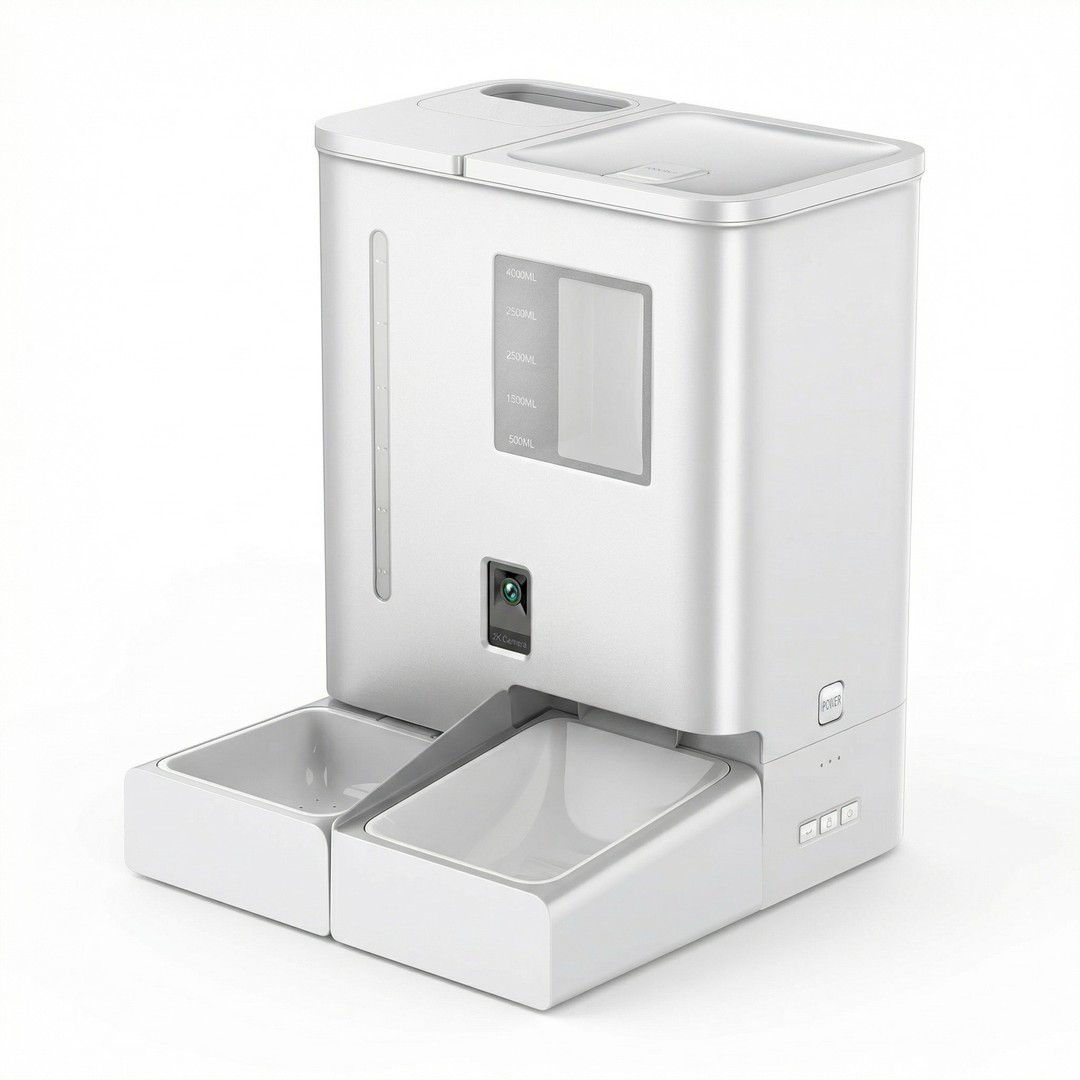
Offline memory is non-negotiable: The best Wi-Fi feeders store feeding schedules locally to ensure meals dispense even during internet outages.
Dual power is a mandatory fail-safe: A plug-in feeder must have a backup battery system to survive power grid failures.
Precision matters for feline health: Weight-based dispensing (or highly precise volume mechanisms) prevents obesity better than standard gravity feeders.
Hardware outlasts software: Anti-jamming motors, secure lids, and easy-to-clean chutes are more critical than advanced app aesthetics.
We buy smart devices seeking total convenience. However, smart feeding introduces hidden risks. Unlike standard programmable models, a Wi-Fi unit relies heavily on external networks. Simple gravity feeders use basic physics to drop food. Wi-Fi feeders introduce modern single points of failure. Your home router might drop the signal unexpectedly. An app server might experience unexpected cloud downtime. When we trust cloud-only systems, we surrender physical control over our pet's diet to internet stability.
Community feedback highlights very real frustrations. Pet owners on forums frequently report lost network connections leading directly to missed meals. Volume-based portions often cause insidious overfeeding over several months. Furthermore, dual-bowl splitters frequently dispense kibble unevenly. One cat gets completely full while another goes slightly hungry, sparking behavioral turf wars. These valid complaints prove hardware quality matters just as much as software design. A beautiful app means nothing if the physical rotor jams constantly.
What constitutes the true return on investment? The real ROI goes far beyond mere automation. It centers entirely on remote verification. App logs confirm precise dispensing times. Integrated cameras show your cat actually eating their meal. This remote proof reduces travel anxiety significantly. It can also minimize expensive pet-sitter costs for overnight trips. You simply want a system you can trust blindly. A dependable smart appliance provides mental relief, justifying the higher initial price tag.
Feeder Type | Network Dependency | Dispensing Precision | Best Use Case |
|---|---|---|---|
Gravity Feeder | None | Low (Free-feeding) | Short trips for non-gluttonous cats |
Standard Programmable | None | Medium (Volume-based) | Daily feeding on a strict budget |
Wi-Fi Smart Feeder | High (if lacking local memory) | High (Weight-based options) | Remote monitoring, precision diets |
Evaluating a smart feeding device demands a strict checklist. You must look past clever marketing jargon and focus on functional reliability.
When you assess a Pet Feeder Automatic Wifi, you must look past the network resilience and ensure it has offline local memory. Some poorly designed devices need constant cloud access to trigger a meal. This architecture is highly dangerous for living animals. Shortlist only devices saving schedules to local hardware memory. A feeder possessing local offline memory functions like a traditional digital clock. It dispenses kibble perfectly on time even when your internet drops or the manufacturer's server crashes. We consider offline memory an absolute baseline requirement for pet safety.
A jammed machine creates a starving pet. Look closely for wider dispensing chutes. Seek out flexible silicone rotors instead of rigid plastic ones. Silicone yields slightly if a strangely shaped kibble piece gets wedged inside the mechanism. Additionally, check for reverse-rotation motor capabilities. This intelligent feature detects blockages automatically. The motor spins backward to clear the kibble jam, then resumes feeding normally. It acts as an invisible mechanical guardian.
Assess the physical exterior build thoroughly. Highly food-motivated cats will relentlessly attack the machine. They bite, tip, and claw trying to pry open the hopper. Look for twist-lock lids defying clever paws. Hidden control panels prevent accidental button presses from curious noses. Finally, check for integrated desiccant compartments. These dry packs absorb ambient moisture. They keep dry food from going stale or developing mold over several weeks.
Best Practice for Security: Always place the feeder against a wall to prevent aggressive tipping.
Common Mistake: Leaving the manual feed button unlocked, allowing cats to dispense infinite snacks.
Clarify the power source hierarchy before buying. USB or wall power serves as the primary daily source. However, backup batteries are strictly necessary. D-cell or lithium-ion battery backups provide critical emergency redundancy. Power grids fail frequently during heavy summer storms or winter blizzards. A plug-in feeder lacking a battery backup becomes a useless plastic tower during neighborhood blackouts. True dual-power means the battery takes over instantly without resetting the saved feeding schedule.
Different homes require radically different tech solutions. Let us explore the primary smart device categories available today.
Weigh the daily trade-offs carefully. Camera models offer exceptional visual meal confirmation. You can interact directly through built-in two-way audio. They let you monitor eating habits remotely. However, they carry significantly higher upfront costs. Many also require ongoing cloud subscription fees for video history storage. Consider this total cost of ownership carefully. App-only models offer leaner, quieter operation. They deliver stable push-notification logs without demanding expensive video hosting or raising household privacy concerns.
Food-stealing risks plague multi-pet homes constantly. One cat might require a costly prescription kidney diet. Another younger cat might eat everything in sight. Address this stressful dynamic using microchip technology. Evaluate a specialized Pet Feeder Automatic Wifi combined with Microchip or RFID collar recognition. The feeder lid opens only for the specific authorized cat. This ensures controlled portions go directly to the right feline while physically blocking the bully cat.
Understand the strict limitations separating dry food hoppers from smart wet food feeders. Wet food spoils rapidly at normal room temperature. Traditional wet feeders use basic frozen ice packs. These simple ice packs melt entirely within 24 hours. Evaluate semiconductor chilling technology instead if you feed exclusively wet diets. Advanced refrigeration mechanisms act like miniature refrigerators. They maintain safe temperatures, keeping multi-day wet food safe for up to 72 hours.
Owning a smart feeder requires ongoing operational maintenance. Hardware cleanliness and software hygiene demand equal attention from pet owners.
Assess the overall cleanability of the food path. Deep hoppers must detach easily from the motor base. Stainless steel bowls are vastly superior to porous plastic options. Scratched plastic harbors microscopic bacteria causing severe feline acne under the chin. Ensure all detachable parts remain fully dishwasher-safe. Regular cleaning prevents hidden mold growth. It keeps kibble tasting fresh and protects your cat's gastrointestinal health long-term.
Evaluate the software ecosystem vigorously before making a purchase. A neglected app crashes frequently. Check the manufacturer's software update frequency in the iOS or Android app store. Read their data privacy standards carefully, especially if you buy models with indoor cameras. User interface stability dictates your daily stress levels. A clunky, badly translated app makes scheduling basic meals incredibly frustrating. Ensure your home router supports 2.4GHz bands, as most smart feeders cannot connect to 5GHz-only networks.
Note the absolute necessity of manually calibrating portions. Feeders measure kibble blindly by volume rotations, not exact weight. Different kibble brands vary wildly in physical density and shape.You must calibrate the digital "portion" size of your Pet Feeder Automatic Wifi to your specific dry food brand. This crucial step ensures accurate gram-per-meal dispensing.
Follow this exact calibration process:
Place an empty measuring bowl on a digital kitchen scale and tare it to zero.
Trigger exactly one manual "portion" from your smart feeder app.
Weigh the dispensed kibble carefully in grams.
Divide your cat's required daily caloric intake by the gram weight per portion.
Program the resulting correct number of portions into the app schedule.
Precise calibration prevents dangerous pet obesity over time. Do not skip this step when switching kibble brands.
We must reiterate our final verdict framework. The best Wi-Fi auto cat feeder is simply the one failing the safest. Technology will occasionally glitch. Your chosen device must possess mechanical safeguards preventing a temporary glitch from becoming a medical emergency. A dependable unit guarantees your cat eats exactly on time, regardless of home router hiccups or regional power grid failures.
Take a few practical next steps today. Encourage your family to measure the cat's current daily kibble intake precisely using a scale. Audit your home Wi-Fi stability near the intended kitchen feeder location. Finally, choose a robust model boasting verified offline memory, anti-jamming silicone rotors, and a true battery backup. This proactive approach ensures total peace of mind whenever you step out the front door.
A: Yes, but only if the specific model features local memory storage. It will continue to dispense on the pre-set schedule, though you will lose remote app control and push notifications until the connection is restored.
A: While high-capacity automatic feeders can hold weeks of food, experts advise against leaving cats entirely unattended for more than 24 to 48 hours due to risks of injury, illness, or rare mechanical failures.
A: High-quality models use locking lids, robust locking mechanisms, and narrow dispensing chutes specifically designed to withstand pawing, tipping, and chewing from highly food-motivated cats.
A: Most standard market options measure by volume (fractions of a cup per "portion" rotation). However, premium models are increasingly integrating built-in scales for precise gram-based dispensing to prevent pet obesity.


