
English 


Views: 0 Author: Site Editor Publish Time: 2026-05-19 Origin: Site


Every cat owner knows the daily struggle of balancing a demanding modern schedule with notorious feline feeding habits. You want your pet healthy and happy. However, those relentless 5 AM wake-up calls often test human patience. We love our pets, but sleep deprivation complicates our relationship.
Astonishingly, veterinary data shows 59.5% of domestic cats are overweight. Traditional bowl-feeding methods usually fail modern cats. Human error creates massive inconsistencies. Furthermore, our inability to resist manipulative "puppy-dog eyes" leads to constant, dangerous overfeeding.
Veterinary professionals hold a firm stance on this issue. They strongly oppose basic "gravity feeders," viewing them as mindless calorie dispensers. Conversely, vets actively prescribe programmable, portion-controlled, and microchip-enabled smart feeders. These tools achieve highly specific health and behavioral outcomes.
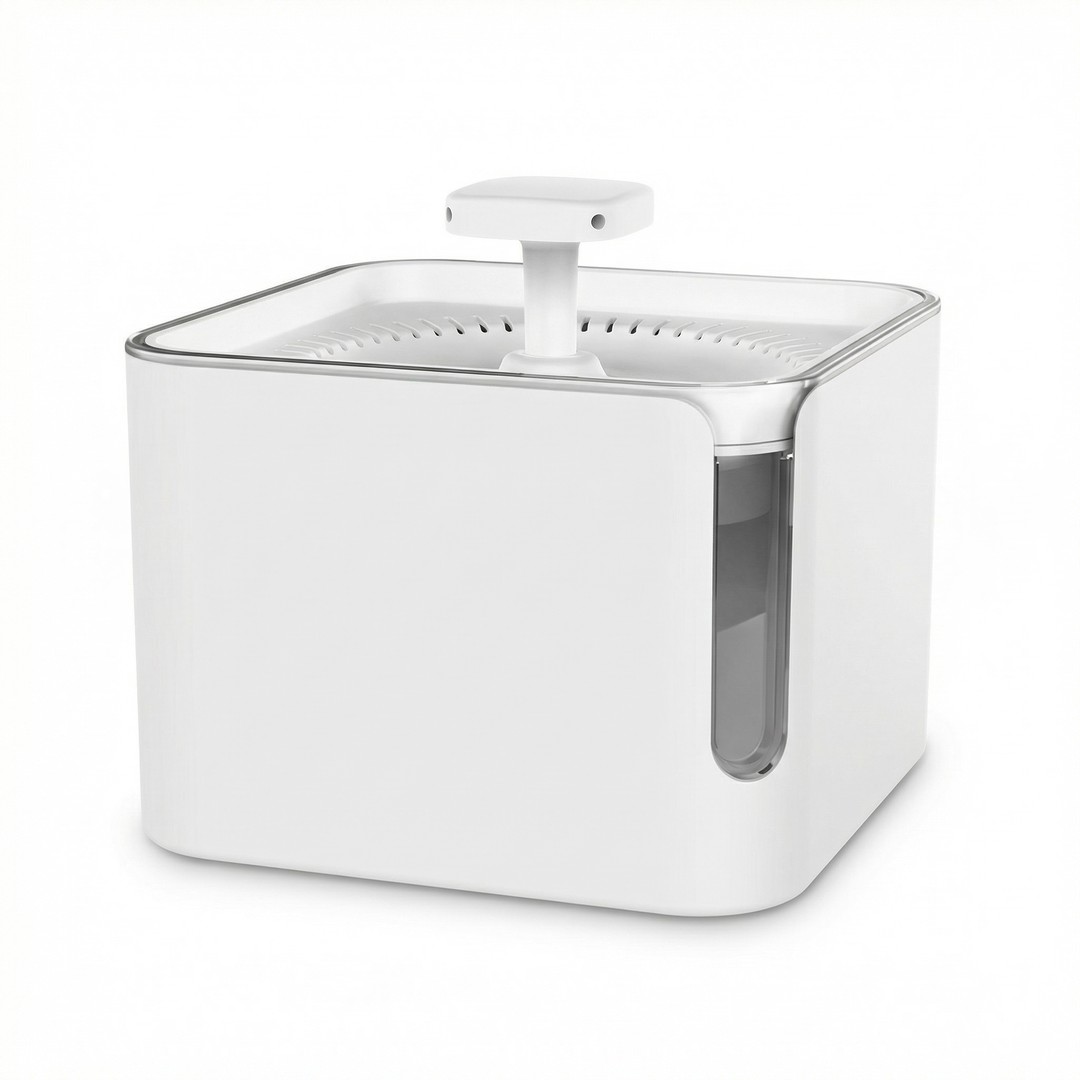
Because most automated systems dispense dry kibble exclusively, hydration becomes a secondary challenge. Completing your pet's feeding ecosystem with an Automatic Cat Water Dispenser is a critical, vet-mandated pairing to protect long-term urinary health.
Precision Over Convenience: Smart feeders are highly recommended for managing feline obesity, diabetes, and scheduled portion control. Gravity feeders are universally discouraged.
The Multi-Cat Solution: Microchip (RFID) feeders serve as physical barriers, raising weight-loss success rates in multi-cat homes by preventing food theft.
The Masking Risk: The greatest medical risk of automated feeding is that it can mask early signs of illness (anorexia/loss of appetite) if owners aren't monitoring actual intake.
Dietary Limitations: Because automated feeders rely on dry kibble, pairing them with an Automatic Cat Water Dispenser is essential to maintain proper hydration and prevent renal issues.
Indoor cats face a silent health crisis. We feed them incorrectly. To understand why, we must look at their natural biology. Veterinarians often refer to the "mouse model" of feline nutrition. In the wild, a cat hunts six to eight times every single day. Each successful catch provides roughly 30 kilocalories (kcal). This biological rhythm keeps their metabolism active. It prevents boredom.
Human schedules disrupt this natural rhythm. We typically enforce one or two massive meals per day. We fill a large bowl before work. We fill it again before bed. This schedule causes immense metabolic stress. Cats experience drastic blood sugar spikes and crashes. Consequently, they develop aggressive begging behaviors. They associate you directly with food delivery, leading to vocalization and physical pouncing.
Many owners try to solve this using cheap gravity feeders. This introduces the "calorie dispenser" trap. Gravity feeders essentially offer an endless buffet. As your cat eats, more kibble falls out. They encourage binge eating out of sheer boredom. Smart feeders operate differently. Programmable smart feeders dispense precise measurements at exact intervals. They act as automated, disciplined dietitians.
Some pet parents hesitate at the upfront cost of premium smart technology. Let us consider the financial return on investment (ROI). A high-quality microchip feeder requires a notable initial purchase. However, feline obesity causes catastrophic health issues. Managing feline diabetes, severe joint arthritis, or life-threatening urinary blockages costs thousands of dollars in veterinary bills. Investing in a smart feeding device represents proactive, cost-saving medical care.
Feeding Method | Metabolic Impact | Behavioral Impact | Veterinary Verdict |
|---|---|---|---|
Traditional Bowl | High stress from large, infrequent meals. | Increases begging and human-directed food aggression. | Not recommended for weight loss. |
Gravity Feeder | Extreme risk of obesity and overeating. | Removes human begging but causes boredom eating. | Strongly opposed. "Calorie dispenser." |
Smart Feeder | Stable metabolism via micro-meals. | Extinguishes early morning wake-up calls. | Actively prescribed for health management. |
Veterinarians do not recommend smart feeders simply to make your life easier. They prescribe them as necessary medical equipment. These devices execute precise treatment plans impossible for busy humans to maintain.
High-Frequency, Low-Volume Feeding (Weight Loss): Most indoor cats need around 200 kcal daily. Dividing this requirement into two meals leaves cats hungry. A smart feeder divides this 200 kcal into six micro-meals. This perfectly mimics natural foraging behavior. It accelerates weight loss by keeping the cat satiated throughout the day.
Managing Feline Diabetes: Diabetic cats require strict biological routines. They need timed feeding schedules aligned with insulin injections. A feeder dispensing food exactly every four hours maintains stable blood glucose levels. You cannot easily achieve this accuracy manually, especially during your workday.
Multi-Cat Household Physical Barriers: Multi-cat homes present unique challenges. One cat often steals food from another. Recent data from veterinary journals (like PMC) proves the value of microchip access doors. When owners separated pets using RFID feeders, weight-loss program success rates jumped from 0% to over 80%. These devices serve as impenetrable physical barriers against food theft.
Behavioral Modification & Sleep ROI: Cats learn quickly. If you fill the bowl, you are the food source. Transferring the role of "food provider" from the human to the machine breaks this association. The machine effectively extinguishes 5 AM face-pouncing. Your cat will wait by the machine instead of walking on your face. This provides an immense sleep ROI for the owner.
Smart feeding technology brings incredible benefits. However, veterinarians issue severe warnings regarding their misuse. Blind reliance on automation creates dangerous medical blind spots.
The number one danger is masking feline anorexia. A machine dropping food at 8 AM does not mean the cat ingested it. Automated convenience frequently causes owners to miss critical symptoms. If a cat stops eating, their body rapidly mobilizes fat stores to the liver. Missing a 48-hour fasting window easily leads to fatal hepatic lipidosis, also known as fatty liver disease. You must visually confirm your cat eats the dispensed food daily.
Diet transition periods present another major danger. Never use automated feeders when transitioning a cat to a new diet. You must never load prescription food into a machine and walk away. Manual feeding is strictly required during this phase. You must closely monitor their acceptance of the new flavor or texture.
Hardware and environmental failures happen constantly. Wi-Fi outages disconnect schedules. Backup batteries deplete. Dispensing mechanisms jam due to oddly shaped kibble. Establish a firm rule immediately. A feeder is a helpful tool. It is never a babysitter for weekend trips. Leaving a cat entirely alone for days relies on flawless machine execution, which is an unacceptable gamble.
Finally, resource guarding occurs in multi-cat homes lacking microchip technology. A single standard automated feeder becomes a high-tension chokepoint. Dominant cats will bully submissive cats away from the dispensing bowl. This generates severe chronic stress, leading to litter box avoidance and behavioral issues.
Common Mistakes to Avoid:
Assuming an empty bowl means the right cat ate the food.
Ignoring the feeder's cleaning schedule.
Leaving town for three days without a pet sitter checking the machine.
Placing the feeder next to the litter box (cats hate eating near their toilet).
Not all smart feeders meet medical standards. You must evaluate potential devices across several strict dimensions before purchasing. Focus on hygiene, precision, and safety.
Material safety impacts feline dermatology directly. Veterinary dermatologists strongly recommend avoiding plastic bowls entirely. Plastic develops microscopic scratches over time. These scratches harbor stubborn bacteria. When cats eat from plastic, they press their chins against this bacteria. This directly causes feline acne, resulting in painful blackheads and sores. Always choose devices offering removable, dishwasher-safe stainless steel or glass bowl inserts.
Dispensing precision matters immensely. "Close enough" isn't good enough for a 10-pound animal. An over-dispense of just a few extra kibbles per meal seems harmless. However, multiplied across four meals a day for a month, it entirely derails a strict caloric deficit. Choose machines featuring advanced internal rotary mechanisms designed for exact portion control.
Look for robust fail-safes and redundancies. A vet-approved feeder must feature offline memory retention. If your home router resets, the machine must remember the schedule. Physical anti-jamming reverse mechanics are non-negotiable. If kibble blocks the chute, the motor should briefly reverse to clear the blockage. Backup battery compartments ensure operation during power grid failures.
We must address the dry food caveat and the hydration ecosystem. Highly reliable wet food dispensers remain rare. They rely on ice packs. These packs only keep food safe for six to eight hours. Therefore, most users will inevitably rely on dry kibble for automation.
Dry food contains incredibly low moisture. If a cat's primary diet is automated dry kibble, veterinarians mandate a paired hydration strategy. Owners must introduce an Automatic Cat Water Dispenser nearby. Moving, filtered water encourages constant drinking. This dual-device ecosystem protects your pet against chronic kidney disease (CKD) and feline lower urinary tract disease (FLUTD).
Feature Category | Minimum Vet Requirement | Why It Matters |
|---|---|---|
Bowl Material | Stainless steel or glass insert. | Prevents bacteria buildup and painful feline chin acne. |
Power Supply | Plug-in with D-cell battery backup. | Ensures meals drop even during neighborhood power outages. |
Portion Control | Micro-portion capability (1/16 cup or less). | Allows for the 6-meal "mouse model" without overfeeding. |
Access Control | RFID/Microchip door (if multi-cat). | Prevents food theft and prescription diet sharing. |
Purchasing the right device represents only the first step. Proper implementation ensures medical success and behavioral harmony. You must execute a careful rollout strategy.
Begin with a strict observation phase. You must audit the machine for the first three to five days. Do not trust the application blindly. Measure the actual physical output. Sometimes kibble size affects the internal rotary measurements. Ensure the portion sizes displayed in the app precisely match the volume dropping into the bowl. Adjust the settings until the output is clinically accurate.
Many owners worry about maintaining the emotional bond. A common myth suggests, "the cat won't love you anymore if the machine feeds them." This is entirely false. Removing frantic food-seeking behavior actually increases genuine affection. You should use the time saved to engage in interactive play. Conduct daily hunting simulations using feather wands. Supplement their routine with manual wet-food offerings or specialized treats.
Practicing good food hygiene requires retaining original packaging. Never throw away the original kibble bag after pouring food into the hopper. Keep the empty bag in your pantry. You need it for barcode scanning, nutritional guideline referencing, and checking recall lot numbers. If a manufacturer issues a contamination warning, you must know your exact batch code.
Clean the internal hopper regularly. Fats from dry kibble coat the plastic walls over time. These fats undergo oxidation and turn rancid. Rancid fats cause gastrointestinal distress and deter cats from eating. Empty the hopper and wash it thoroughly with mild soap every month.
Automatic cat feeders receive high recommendations from the veterinary community. However, professionals do not view them as hands-off conveniences for lazy owners. They view them as precise medical tools. They master calorie control, execute high-frequency micro-meals, and manage behavioral stress.
Before making a purchase, evaluate your specific household needs carefully. Prioritize hygiene by selecting stainless steel materials and demand mechanical precision for accurate portioning. Finally, never automate dry food without simultaneously executing a paired hydration strategy. Utilizing a high-quality Automatic Cat Water Dispenser ensures your feline companion remains healthy, hydrated, and happy, balancing their diet with the fresh water they need to thrive.
A: No. This is a common emotional myth. Removing food-seeking behavior actually increases genuine affection. When your cat stops seeing you merely as a food dispenser, they approach you for warmth, play, and companionship instead of just begging for kibble.
A: Most smart feeders only handle dry food. Wet food machines exist, but they have severe limitations. They require refrigeration or ice packs, limiting their safe usability to 6-8 hours. Leaving wet food out longer risks dangerous bacterial growth.
A: Absolutely not. Feeders fail due to power outages, Wi-Fi drops, or mechanical jams. Vets strictly warn against leaving a cat unmonitored for more than 24 hours. Always have a human check the machine and the cat daily.
A: Avoid plastic feeding bowls at all costs. Plastic harbors bacteria in microscopic scratches. Always purchase a feeder with a removable stainless steel or glass bowl insert. Wash this insert daily in the dishwasher to eliminate acne-causing bacteria.


