
English 


Views: 0 Author: Site Editor Publish Time: 2026-05-19 Origin: Site


In veterinary medicine and animal science, the term "procedure" covers a broad spectrum of interventions. They range from simple diagnostic needle aspirations to complex, highly invasive surgeries. Essentially, any action going beyond routine daily care falls into this category. For pet owners evaluating a veterinarian's recommendation, clarity is crucial. Facility managers auditing care standards also need precise definitions. Understanding how we classify a medical action helps you assess risk accurately. It allows you to compare facility capabilities objectively. It also helps you project post-operative recovery costs. Today, modern protocols prioritize evidence-based pain management and strict aseptic environments. They favor transparent decision-making frameworks over outdated "one-size-fits-all" approaches. In this guide, you will learn the exact clinical thresholds defining these interventions. We will explore how classifications drive pre-surgical and post-operative protocols. You will also discover actionable checklists for evaluating surgical facilities and navigating the true costs of recovery.
Regulatory Baseline: A procedure is generally defined as any medical or scientific action that potentially causes pain, suffering, or distress equivalent to or greater than a needle stick.
Classification Drives Protocol: Procedures are strictly categorized by urgency (elective vs. emergency) and invasiveness (minor vs. major), which dictates the required anesthesia, sterilization, and recovery time.
Focus on Wellness: Prioritizing Procedures and Animal Comfort involves utilizing multi-modal analgesia, continuous vitals monitoring, and species-specific fasting guidelines to mitigate physiological stress.
Facility Evaluation: Evaluating a provider requires looking beyond the surgeon to assess dedicated surgical suites, valid VCPR (Veterinary-Client-Patient Relationship) compliance, and post-operative monitoring standards.
Clinical standards set a definitive threshold. Any medical action requiring a break in the skin qualifies. Entry into a body cavity also counts. The administration of general anesthesia triggers this classification instantly. It is vital to separate routine grooming or handling from true medical interventions. Establishing this baseline dictates the legal and ethical protocols a facility must follow.
Best Practice: Always request a written treatment plan. It clearly outlines whether your pet faces a minimally invasive diagnostic test or a major surgery.
We must distinguish between minor diagnostics and major surgical interventions. Each carries distinct risks and operational requirements.
Diagnostics: These interventions focus on finding the problem while prioritizing minimal invasion. Fine-needle aspirates (FNA) pull cell samples without major incisions. Biopsies extract small tissue samples for pathology. Advanced imaging, like MRI or CT scans, also qualifies. They require deep sedation because the animal must remain perfectly still.
Surgical Interventions: Surgeons make intentional incisions to address anatomical problems directly. They operate under strict anesthesia. They aim to alter, repair, or extract living tissue. These carry higher risks than routine diagnostics.
Common Mistake: Many people confuse cosmetic alterations with medical necessities. You should never assume an elective cosmetic action carries health benefits.
We must clearly delineate non-therapeutic elective actions from medically necessary interventions. Cosmetic choices include ear cropping, tail docking, and declawing. Veterinary medical boards increasingly restrict these actions. They offer zero therapeutic benefit. Pet insurance policies universally exclude them. They expose the patient to unnecessary anesthetic risks. Conversely, medically necessary interventions cure disease. They relieve pain. They restore normal bodily function.
Classifying an intervention helps you gauge risk and map out the scope of care. The timing paradigm separates urgent needs from schedulable ones.
Elective operations provide medical benefits but remain schedulable. Examples include routine spay/neuter operations. Dental extractions and benign mass removals fall here too. Scheduling gives you a massive advantage. It allows for optimized pre-surgical bloodwork. It ensures you follow strict fasting protocols. You can address underlying health issues before administering anesthesia.
Urgent or emergency operations carry an immediate life-saving necessity. Fracture repairs demand swift action. Intestinal blockages can turn fatal within hours. Severe lacerations require immediate closure. Vets often must proceed before achieving ideal patient stabilization. Time dictates the workflow.
The invasiveness paradigm focuses on the physical impact on the patient.
Major procedures penetrate and expose a body cavity. Opening the abdomen or thorax carries high risk. Skull surgeries require intense precision. Orthopedic repairs produce substantial physical impairment. They mandate generalized anesthesia. Patients require a minimum of 48 hours of heavily monitored post-operative analgesia.
Minor procedures do not expose internal body cavities. They cause minimal physical impairment. Superficial suturing manages minor wounds. Peripheral catheter placement helps deliver fluids. Vets often manage these using local anesthetics. Mild sedation keeps the patient calm. Typically, 24 hours of pain management suffices.
Classification Feature | Major Procedures | Minor Procedures |
|---|---|---|
Body Cavity Exposure | Yes (Abdomen, Thorax, Skull) | No (Superficial only) |
Physical Impairment | Substantial (e.g., bone alteration) | Minimal (e.g., skin level) |
Anesthesia Required | Generalized Anesthesia | Local Anesthetics / Sedation |
Analgesia Minimum | 48+ Hours (Monitored) | 24 Hours |
High-tier facilities rely on rigorous pre-surgical protocols. Setting a stable physiological foundation ensures safety. Species-specific fasting prevents aspiration pneumonia. Adult dogs and cats typically fast for 6 to 12 hours. Water is usually allowed until a few hours before intake. However, rodents and rabbits never require fasting. They lack the physical ability to vomit. Fasting them introduces severe hypoglycemia risks. Ensuring proper Procedures and Animal Comfort starts with tailored preparatory guidelines. You cannot treat a rabbit like a small dog.
Intra-operative monitoring acts as the ultimate safety net. Advanced facilities do not rely on visual observation alone. Comfort and safety demand continuous electronic monitoring. We rely on five vital pillars during anesthesia:
Heart Rate: Electrocardiograms (ECG) track cardiac output to ensure stable circulation throughout the operation.
Blood Pressure: Doppler or oscillometric monitors prevent hypotension. This protects the kidneys and brain from damage.
Blood Oxygen Saturation (SpO2): Pulse oximeters measure oxygenation. They prevent dangerous tissue hypoxia.
Core Body Temperature: Esophageal probes track heat loss. Preventing hypothermia speeds up anesthetic recovery safely.
CO2 Levels (Capnography): Monitoring exhaled carbon dioxide confirms adequate ventilation. It alerts the surgical team to breathing issues instantly.
Pain management has evolved significantly. We moved away from outdated single-drug sedation. Modern comfort protocols utilize a layered, multi-modal approach. Vets administer pre-emptive nerve blocks before making any incisions. They provide intra-operative systemic pain control via intravenous drips. Finally, they prescribe carefully tapered post-operative medications. This layered strategy blocks pain signals at multiple nervous system pathways. It reduces the total amount of anesthesia needed. Implementing such advanced Procedures and Animal Comfort strategies means safer, faster recoveries for the patient.
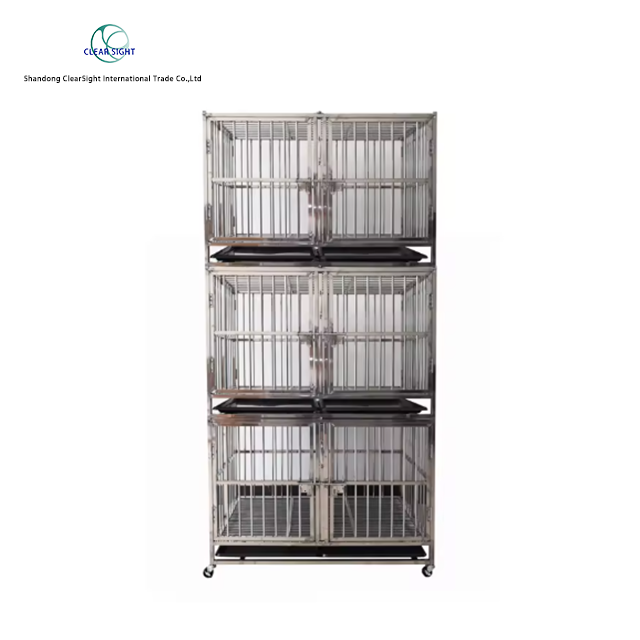
Evaluating a provider requires looking beyond the surgeon's reputation. You must assess the facility's physical infrastructure. Dedicated surgical suites are absolutely essential. Look for positive air pressure systems. These systems push clean air out when doors open. They keep airborne contaminants away from the sterile surgical field. The room should maintain high-frequency air changes. Industry standards recommend 15 to 20 Air Changes per Hour (ACH). Surfaces must be seamless and easily sanitized. Standard exam rooms should never host major surgeries. After surgery, maintaining excellent Procedures and Animal Comfort often requires specialized, climate-controlled recovery enclosures.
Aseptic technique standards separate acceptable clinics from exceptional ones. Verify their sterilization methods. Modern clinics use steam autoclaves for surgical packs. Cold sterilization chemicals are insufficient for major internal instruments. Proper surgical attire is mandatory. Surgeons must wear sterile gowns, caps, and masks. Staff must follow strict patient prep protocols. Alternating chlorhexidine and alcohol scrubs ensures a completely sterile operating field.
Personnel standards dictate safety margins. Ensure the facility maintains a legal Veterinary-Client-Patient Relationship (VCPR). This legal framework ensures the vet actually knows your pet's medical history. Confirm a licensed veterinarian acts as the primary surgeon. Registered Veterinary Technicians (RVTs) must support the surgical team. Crucially, an RVT should be dedicated solely to anesthesia monitoring. They should not double as circulating nurses while attempting to monitor vital signs.
Financial considerations often dictate medical decisions. You need to map out the Total Cost of Ownership (TCO) for comprehensive care. Demand transparent, itemized pricing. A quoted price must include pre-anesthetic bloodwork. It must cover IV fluids and continuous electronic monitoring. The quote should encompass the intervention itself. It must also include all take-home medications and follow-up visits. Hidden costs cause unnecessary stress during a vulnerable time.
You must understand the home-care reality. Recovery commitments vary wildly based on the intervention type. You need to prepare your home environment accordingly.
Soft Tissue/Minor: Expect 10 to 14 days of restricted activity. E-collar (cone) compliance is strictly enforced. Premature removal leads to severe infection. Suture removal usually happens at the end of this two-week window.
Orthopedic/Major (e.g., ACL/CCL repair): Expect 6 to 8 weeks of strict confinement. You must restrict the pet to leash-only bathroom breaks. Running, jumping, or playing is strictly forbidden. Physical rehabilitation might be necessary to restore full limb function.
Recovery Timeline Summary Chart
Intervention Type | Activity Restriction Duration | Key Compliance Requirement |
|---|---|---|
Superficial Biopsy | 3 to 7 Days | Keep site clean and dry |
Spay/Neuter (Soft Tissue) | 10 to 14 Days | Strict E-collar usage |
Intestinal Surgery | 14+ Days | Diet modification, E-collar |
Orthopedic Repair | 6 to 8 Weeks | Crate confinement, leash-only walking |
The risk of inaction requires careful consideration. You must compare surgical complication risks against guaranteed physical deterioration. Delaying a necessary intervention often leads to chronic pain. The initial anatomical problem usually worsens over time. A prompt, well-planned intervention offers the best chance for a full recovery. It minimizes long-term suffering and prevents compounding health issues.
Categorizing an intervention accurately serves as the first step in risk management. You might be evaluating an elective dental cleaning. You might be facing an emergency orthopedic surgery. In either scenario, the facility's commitment to verifiable medical standards dictates the final outcome. Quality care relies on transparent protocols. It relies on expert personnel using modern equipment.
Take actionable next steps today. Encourage decision-makers to request specific pre-surgical bloodwork requirements. Ask for their pain management Standard Operating Procedures (SOPs). Demand detailed post-operative recovery timelines before committing to any treatment plan. Knowledge empowers you to advocate for the safest medical choices.
A: Generally, no. Cosmetic elective procedures (declawing, ear cropping) are universally excluded. However, "medically necessary electives" (like preventative gastropexy during a spay or removing a potentially cancerous mass) are often covered depending on your specific policy and pre-existing condition clauses.
A: No. Minor procedures (like superficial biopsies or small laceration repairs) can often be performed using a combination of heavy sedation and localized nerve blocks, significantly reducing the risks associated with general anesthesia.
A: For standard incisions, an E-collar is typically required for 10 to 14 days, or until the veterinarian confirms the tissue has fully healed and removes the sutures. Premature removal is the leading cause of post-operative infection and incision failure.


