
English 


Views: 0 Author: Site Editor Publish Time: 2026-05-20 Origin: Site


The veterinary field is steadily shifting toward integrative therapies. This shift prompts natural skepticism among pet owners. They often feel wary of promised miracle cures. You might wonder if medical ozone (O₃) falls into this questionable category. Unlike harmful atmospheric pollution, medical ozone operates as a highly reactive, biologically active molecule. Specialists use it specifically to trigger internal cellular healing.
Chronic conditions pose significant daily challenges for dogs. Severe skin diseases and systemic inflammation frequently require long-term pharmaceutical reliance. Addressing these root causes safely remains vital for your pet's overall longevity. Fortunately, modern clinics and dedicated pet owners are moving away from purely invasive treatments. They increasingly adopt accessible, highly effective modalities.
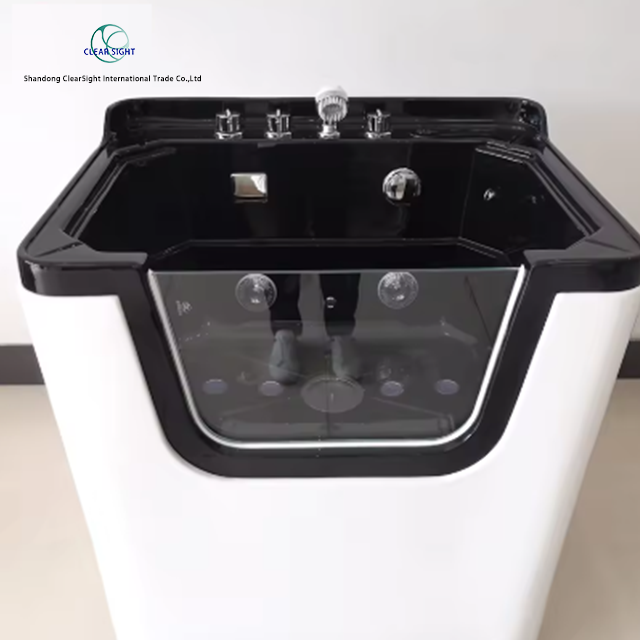
Specifically, the use of specialized clinical equipment like an Ozone Therapy Pet Bathtub offers a practical way to manage complex health issues. In this article, you will learn the exact biochemical science behind medical ozone. We will explore its primary health benefits. You will discover why investing in safe, non-invasive delivery methods can completely transform canine care.
Scientific Baseline: Ozone therapy works via hormesis—inducing mild, controlled oxidative stress to trigger the body's natural antioxidant and healing responses.
Primary Benefits: Highly effective for dermatological issues (destroying bacterial/fungal cell walls), reducing systemic inflammation, and acting as an adjunct therapy for cancer and autoimmune conditions.
Safety Imperative: Safe only when utilizing pure, medical-grade oxygen; utilizing ambient air creates toxic byproducts.
Optimal Delivery: An Ozone Therapy Pet Bathtub provides a low-stress, non-invasive, and highly scalable delivery method compared to traditional injections or autohemotherapy.
Many holistic treatments rely on vague promises. Ozone therapy stands apart. It relies on well-documented biochemical mechanisms. Understanding these processes establishes immediate clinical authority. It proves the therapy is rooted in science, not magic.
Ozone therapy operates on the principle of hormesis. Hormesis describes a biological phenomenon. A low dose of an otherwise stressful agent triggers a highly beneficial systemic response. Controlled exposure to medical O₃ does not cause cellular damage. Instead, the molecule rapidly breaks down upon entering the body. It separates into pure oxygen (O₂) and reactive oxygen species (ROS). This controlled, mild oxidative stress wakes up the body. It forces the system to activate its natural antioxidant defense pathways.
Sick tissues inherently lack optimal energy. They struggle to function and heal. Medical ozone intervenes at the mitochondrial level. It drives the critical conversion of NADH to NAD. This specific metabolic action fuels cellular energy production. Furthermore, ozone exposure increases the concentration of 2,3-DPG (2,3-Diphosphoglycerate) inside red blood cells. Elevated 2,3-DPG acts as a crucial switch. It forces hemoglobin to release oxygen much more efficiently into surrounding tissues. This process delivers massive amounts of life-saving oxygen directly to damaged, inflamed, or hypoxic areas.
Ozone acts as a powerful biological catalyst. It awakens localized defense mechanisms. When introduced to the system, it stimulates the production of vital cytokines. These include Tumor Necrosis Factor (TNF), interleukins, and interferons. These specialized proteins orchestrate the immune response. If a dog has an underactive immune system, ozone stimulates it. If the immune system is overactive, such as in autoimmune conditions, ozone helps modulate and balance the response. It serves as an intelligent biological regulator.
We must map these physiological mechanisms to specific canine health outcomes. Clinical data verifies several primary use cases. Let us explore exactly how these biochemical reactions translate to healthier, happier dogs.
Dogs frequently suffer from stubborn skin issues. Breeds like French Bulldogs often develop deep fold infections. Golden Retrievers battle recurring hot spots. Ozone physically destroys the outer lipid shells of invading pathogens. It acts like a needle popping a balloon. This mechanism neutralizes bacteria, yeast, and fungi on contact. Crucially, pathogens cannot build a resistance to this physical destruction. This makes it an incredible alternative to long-term antibiotic use.
Senior dogs routinely face mobility issues. Arthritis and canine disc hernia cause profound suffering. Inflamed tissues naturally harbor high levels of trapped carbon dioxide (CO₂) and lactic acid. These trapped elements cause localized pain. Ozone therapy aggressively displaces the CO₂ and lactic acid. It floods the inflamed capsule with pure oxygen. This oxygen surge accelerates mitochondrial repair. It rapidly reduces swelling and restores joint mobility.
You must view ozone as a supportive measure for cancer, not a standalone cure. However, its supportive role remains highly impactful. Tumors thrive in low-oxygen environments. They feed on glucose created through lactic acid conversion (a process called gluconeogenesis). Ozone actively blocks this specific conversion cycle. It starves the tumor of its preferred fuel source. Unlike traditional chemotherapy, it achieves this without triggering massive immunosuppressive side effects.
Veterinarians rarely use ozone in isolation. It functions beautifully as a therapeutic amplifier. It accelerates the healing results of other modalities. For example, pairing it with physical therapy reduces recovery timelines. Combining it with acupuncture promotes better oxygen flow along targeted meridians. When you administer carefully timed antioxidant supplements, you create a perfectly balanced healing environment.
Delivery mechanisms vary widely in the veterinary field. Some methods cause high anxiety. Others provide soothing relief. We must compare these options carefully. We need to frame the optimal non-invasive solution for daily practice.
Traditional methods require strict clinical settings. Autohemotherapy (AHT) involves drawing a dog's blood, ozonating it, and reinjecting it. Rectal insufflation introduces gas directly into the colon. Both methods possess strong clinical efficacy. However, they often induce severe stress in the animal. Needles and invasive tubes frighten anxious dogs. By contrast, a professional Ozone Therapy Pet Bathtub eliminates the fear factor entirely, bridging the gap between intense clinical efficacy and pure patient comfort.
External hydrotherapy eliminates the fear factor entirely. When you evaluate an Ozone Therapy Pet Bathtub, you quickly realize its strategic value. It bridges the gap between intense clinical efficacy and pure patient comfort.
Full-Body Transdermal Delivery: A proper bathtub system infuses the water with millions of micro-bubbles. These bubbles deliver O₃ transdermally across the entire body. It proves ideal for severe, widespread skin conditions. It rapidly heals post-surgical wounds. It soothes full-body allergic reactions instantly.
Stress Reduction: Warm water hydrotherapy naturally calms the nervous system. Anxious or elderly dogs relax into the treatment. Improved compliance means pet owners return for consistent sessions. Consistency drives actual medical results.
Efficiency & Scalability: B2B facilities love this modality. Veterinary rehab centers evaluate it as a high-ROI asset. High-end grooming salons use it to elevate their service menus. Dedicated pet owners even build home-care setups to manage chronic conditions effortlessly.
Therapy Modality | Invasiveness | Patient Stress Level | Best Clinical Use Case |
|---|---|---|---|
Autohemotherapy (AHT) | High (Requires blood draw) | Moderate to High | Systemic autoimmune diseases |
Rectal Insufflation (RI) | Moderate (Catheter required) | Moderate | Gastrointestinal issues, internal tumors |
Ozone Pet Bathtub | Zero (External water therapy) | Extremely Low (Relaxing) | Dermatology, widespread allergies, joint pain |
Subcutaneous Saline Injection | Moderate (Needle required) | Moderate | Localized tissue infections |
Transparency builds trust. We must address the risks frankly. You cannot implement this therapy without understanding strict safety guidelines. Hardware necessities dictate the safety of the entire procedure.
You must explicitly avoid cheap ozone generators. Many inexpensive online units pull room air into their electrical discharge chambers. This creates a severe danger. Ambient room air consists of roughly 78% nitrogen. When you mix ambient nitrogen with a high-voltage electrical discharge, you create toxic nitrous oxide. This byproduct harms your pet. To ensure safety, medical-grade oxygen tanks remain absolutely non-negotiable. Pure oxygen ensures pure medical ozone.
You must prepare for the Herxheimer reaction. Sometimes, an animal gets slightly worse before getting better. As the ozone rapidly kills off massive amounts of bacteria or yeast, the dying pathogens release endotoxins. The dog's liver and kidneys must filter this sudden toxic load. This causes transient, flu-like detox symptoms. Your dog might experience mild fatigue or lethargy for 24 hours. This reaction is normal. It proves the therapy is actively clearing out dead pathogens.
Ozone therapy benefits most dogs. However, specific medical conditions require absolute exclusion. You must heed these contraindications:
Hyperthyroidism: Ozone stimulates metabolic processes. It can push an already overactive thyroid into a dangerous state.
Active Bleeding: The therapy mildly thins the blood. You should never use it on a dog experiencing internal hemorrhaging or active bleeding.
G6PD Deficiency: Dogs lacking the Glucose-6-phosphate dehydrogenase enzyme cannot properly process oxidative stress. They require strict veterinary clearance.
Clinics and dedicated pet owners eventually face a purchasing decision. Evaluating the total cost of ownership (TCO) ensures a smart investment. You need specific logic to shortlist your hardware correctly.
Not all grooming tubs handle medical-grade gasses. Ozone behaves aggressively toward inferior materials. It degrades standard plastics and cheap rubbers quickly. When evaluating equipment, look for these specific engineering standards:
Corrosion-Resistant Tub Materials: Demand high-grade acrylic or marine-grade stainless steel. These materials withstand continuous oxidation without pitting or leaking.
Medical-Grade Regulators: Your setup must connect seamlessly to veterinary oxygen tanks. It requires precise pediatric regulators to control flow rates accurately (e.g., 1/32 to 1/8 liters per minute).
Silicone Tubing & Ventilation: Standard vinyl hoses melt under ozone exposure. You must specify pure, ozone-resistant silicone tubing. Furthermore, the tub area must feature proper ambient ventilation to diffuse any surface off-gassing.
Component Category | Acceptable Standard (Safe) | Unacceptable Material (Dangerous) |
|---|---|---|
Tub Construction | High-grade Acrylic / 316 Stainless Steel | Cheap porous plastics / Fiberglass |
Tubing & Hoses | 100% Medical-grade Silicone | Standard PVC / Vinyl / Latex |
Gas Source | Prescription Medical Oxygen (100% O₂) | Ambient Room Air (Contains Nitrogen) |
Generator Output | Adjustable Gamma dials (precise μg/mL) | Fixed output (no concentration control) |
Facility owners recognize the massive B2B return on investment. First, it reduces dependency on chronic pharmaceutical prescriptions. Pet owners gladly pay for holistic sessions rather than endless antibiotic refills. Second, it establishes premium service positioning. Facilities offering advanced hydrotherapy stand out against standard clinics. Third, it guarantees high client retention. Visible dermatological improvements happen quickly. When an owner sees their dog's fur grow back, they become a lifetime client.
Do not guess the dosage. We highly recommend scheduling a consultation with an integrative veterinarian. Look for professionals credentialed by the American Academy of Ozonotherapy (AAO) or the International Veterinary Ozone Association (IVOA). They will establish precise dosing concentrations (measured in μg/mL) for your specific machine. They will also outline a proper treatment frequency tailored to your dog's exact diagnosis.
We must summarize this evaluation clearly. Medical ozone therapy provides no magic tricks. Instead, it offers a biochemically sound, evidence-backed approach. It effectively combats inflammation, neutralizes stubborn infections, and accelerates deep tissue repair. The science validates its powerful cellular mechanisms.
You should always prioritize safe, low-stress delivery methods. Invasive clinical injections work, but they often traumatize the animal. Bridging the gap is essential. Utilizing modern tools creates an environment of calm healing. This approach blends true clinical efficacy with a premium, relaxing patient experience. It protects your pet's emotional well-being while fundamentally repairing their cellular health. Evaluate your options carefully, consult an integrative expert, and take the next step toward holistic longevity.
A: The FDA heavily regulates inhaled ozone. They classify it as a toxic gas for the respiratory system. However, targeted medical applications operate entirely differently. Methods like ozonated water, rectal insufflation, and autohemotherapy have extensive clinical backing. They completely isolate the ozone from the lungs. Integrative veterinarians rely on these safe, proven methods daily. They never allow pets to breathe the raw gas directly.
A: No. Proper hardware design strictly ensures patient safety. High-quality tubs diffuse the micro-bubbles directly into the water. This rapid infusion creates stable ozonated water. It prevents the volatile gas from escaping into the surrounding room air. Professional setups also include proper facility ventilation. This eliminates any remaining risk of direct respiratory irritation. You must always use correctly manufactured equipment to guarantee this safety standard.
A: Treatment frequency depends entirely on the specific medical condition. Acute issues often require intensive sessions one to two times a week. Severe skin infections benefit greatly from this initial aggressive phase. As the dog heals, you systematically reduce the frequency. Chronic joint or allergy conditions usually respond beautifully to a monthly maintenance schedule. Always consult your integrative veterinarian to tailor the exact protocol.


