
English 


Views: 0 Author: Site Editor Publish Time: 2026-06-06 Origin: Site


Upgrading your clinic's equipment goes far beyond a simple purchase. Procuring a dependable Pet Operating Table represents a vital clinical decision. This choice directly impacts surgeon ergonomics, patient safety, and operative efficiency. You are investing in long-term surgical success.
Modern veterinary clinics handle a diverse, unpredictable caseload every single day. Teams tackle everything from routine spays to complex orthopedic reconstructions. They require adaptable platforms built to handle diverse anatomical needs. You also need rigorous, reliable fluid management during messy procedures.
We will break down essential evaluation frameworks for these crucial clinic centerpieces. You will learn how to analyze distinct table designs, lift mechanisms, and material specifications. This guide helps you select Veterinary Surgical Tables perfectly aligned to your specific caseloads and operational realities.
Configuration dictates capability: Choosing between flat-top, V-top, and tilt designs directly impacts fluid drainage efficiency and patient positioning during specialized procedures.
Lift mechanisms impact longevity and workflow: Electric and hydraulic lifts each offer distinct advantages regarding maintenance burdens, weight capacity, and noise levels (which affect patient anxiety).
Material quality is non-negotiable: High-grade stainless steel (e.g., Type 304) is essential for compliance, infection control, and resisting corrosive clinical disinfectants.
You must protect your surgical team from physical burnout. A poorly designed workstation causes chronic back pain rapidly. Staff often stand for hours during complex veterinary procedures. Poor height adjustment forces awkward, damaging postures. Foot pedals must remain accessible from multiple angles around the base. We know lumbar strain reduces surgeon stamina drastically. It can even shorten promising veterinary careers. Proper equipment design mitigates these physical risks entirely. When you prioritize surgeon ergonomics, you elevate the entire clinic's performance.
Secure positioning directly affects animal welfare. Unstable surfaces cause unnecessary patient shifting during delicate cuts. This movement can disrupt intravenous lines instantly. It can also compromise sterile fields in seconds. Proper respiratory function under anesthesia requires careful body alignment. We rely on stable equipment to maintain optimal airway access. Firm support improves overall surgical outcomes significantly. A stressed, shifting animal poses a severe risk to itself and the staff.
Time matters immensely between scheduled surgical cases. Easy-to-clean surfaces accelerate room turnover dramatically. Integrated fluid collection systems keep your clinical floors dry. They also prevent dangerous slip hazards for moving technicians. Fast drainage eliminates lingering bio-burdens quickly. Your team can sanitize the room rapidly and effectively. This efficiency lets you schedule more procedures daily.
Consider these core workflow benefits when evaluating clinical impact:
Reduced room preparation time between consecutive surgical cases.
Minimized cross-contamination risks for subsequent sensitive patients.
Streamlined biological waste management through integrated drainage channels.
Decreased physical fatigue for technicians adjusting heavy animal loads.
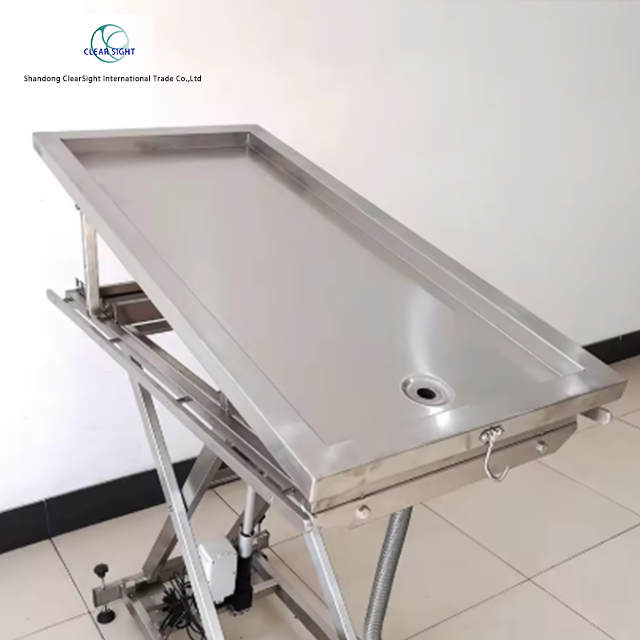
They serve as the standard foundation for many practices. These units are best for routine examinations and minor surgeries. They handle quick wound closures and basic dermatological procedures easily. Most general practices rely heavily on them daily. However, they possess distinct, unavoidable limitations. Flat surfaces struggle during highly complex operations. Precise dorsal recumbency becomes difficult to maintain. Heavy fluid management is suboptimal lacking deep collecting troughs. Fluids tend to pool around the patient uncomfortably.
We highly recommend V-top designs for advanced abdominal surgeries. They excel in orthopedic and neurological veterinary procedures. The mechanism features split-panel longitudinal adjustability. This creates a natural, secure cradle for the sedated animal. You eliminate the need for excessive sandbags. Cumbersome positioning aids become entirely obsolete. The patient remains perfectly centered throughout the procedure. The chest cavity expands easily without lateral compression. Surgeons gain unimpeded, highly stable access to the surgical site.
Certain procedures demand specialized, steep angles. Tilted options are best for intensive dental procedures. They also aid specific laparoscopic interventions greatly. Gravity assists fluid drainage during heavy oral irrigation. Evaluation criteria must focus strictly on mechanical safety. Assess the locking mechanism's stability rigorously before use. Test it at maximum tilt angles repeatedly. You must ensure zero slippage during active operation. A failing lock could severely injure an unconscious patient.
Below is a summary chart comparing these essential configurations:
Table Configuration | Best For | Fluid Management Capability | Positioning Aids Required |
|---|---|---|---|
Flat-Top | Routine exams, minor excisions, general use | Low to Moderate | High (sandbags, ties) |
V-Top | Orthopedics, deep abdominal, neurology | High (channels fluids centrally) | Low (cradles patient naturally) |
Tilted / Inclined | Dental extractions, oral surgery, laparoscopy | Excellent (gravity-assisted) | Moderate (requires secure locking) |
Hydraulic lifts utilize pressurized fluid to elevate the main platform. Pros include a noticeably lower upfront financial cost. They function completely independent of electrical outlets. You can relocate them easily within the surgical suite. Sudden power outages do not affect their core operation. They remain dependable during severe infrastructure disruptions.
Risks and considerations certainly exist. You face potential internal fluid leaks over time. They require more physical effort from your technicians. Foot-pump operation demands repeated downward physical exertion. Valves can degrade significantly after years of heavy use. This degradation sometimes causes sudden, unsafe vertical drops. Regular seal inspections remain critical for everyday safety.
Electric mechanisms use powerful motorized actuators. Pros involve remarkably smooth, continuous vertical motion. This steady movement reduces patient stress significantly. Awake or lightly sedated animals stay much calmer. Hands-free pedal operation ensures a strict sterile field. Surgeons never break scrub to adjust platform height. You maintain perfect focus on the operative site.
Risks and considerations require careful attention. They demand a much higher initial financial investment. You must place them near dedicated power sources constantly. Clinics must manage electrical cables carefully and proactively. Loose cords create severe tripping hazards for busy staff. Motor longevity depends entirely on avoiding fluid ingress.
You need objective benchmarks for true clinical safety. We strongly recommend systems capable of lifting a minimum of 250 to 300 lbs smoothly. Large and giant breed dogs present unique, heavy challenges. A robust motor accommodates them safely and quietly. Lower capacity units risk sudden, catastrophic motor burnout. They may also shudder violently under heavy patient loads. Shuddering disrupts delicate surgical maneuvers instantly. Always verify the manufacturer's load-testing data before procurement.
Material quality dictates clinical hygiene directly. Standard commercial materials degrade under harsh veterinary conditions. We explicitly recommend Type 304 or 316 stainless steel. These high-grade alloys offer exceptional surface resistance. They withstand rust, bodily fluids, and harsh veterinary-grade sanitizers. Cheaper metals pit and corrode surprisingly quickly. Scratches harbor dangerous, antibiotic-resistant bacteria. A premium Veterinary Surgical Tables ensures long-term infection control compliance. You cannot compromise on your foundational steel quality.
Evaluate the design of fluid troughs carefully. Look closely at all drain hole placements. Flat surfaces lacking dedicated run-offs create daily problems. They increase cross-contamination risks significantly between patients. Pooled fluids prolong manual cleanup between surgical cases. Effective architecture channels liquids away almost immediately. Smoothly sloped edges prevent stagnant biological pooling. A dedicated collection bucket simplifies final waste disposal safely.
Do not ignore the unit's bottom foundation. Address the durability of the base housing thoroughly. Quality bases are often powder-coated or fully enclosed. Solid enclosures prevent loose hair and debris from entering. Fluids cannot foul the sensitive internal lift mechanisms. Exposed gears attract grime and rust rapidly. An enclosed base makes mopping the surgical floor effortless.
Follow these common best practices to maintain sanitary standards:
Always use non-abrasive cloths to prevent micro-scratches on your stainless steel surfaces.
Flush all drainage troughs using dedicated enzymatic cleaners after heavy fluid procedures.
Inspect base housing seals monthly to prevent hidden internal moisture buildup.
Avoid leaving bleach-based solutions on metal surfaces for extended periods to prevent pitting.
Careful logistical planning prevents severe installation nightmares. Remind your buyers to map the equipment's maximum footprint accurately. You must include wide pedal clearance in your floor measurements. Account for the full tilt radius accurately. Ensure it fits your specific operating room dimensions perfectly. Staff need ample room to circulate quickly. Anesthetic carts and monitoring equipment require dedicated space. Overcrowding compromises sterile techniques and slows response times.
Electric options need strategic infrastructure planning. They require highly convenient electrical outlet placement. Floor or ceiling drops are ideal, professional solutions. Standard wall outlets often necessitate long, dangerous extension cords. This creates unacceptable cord clutter across pathways. Trip hazards endanger staff and sedated patients alike. Plan your electrical infrastructure thoroughly before ordering the equipment.
Set realistic expectations for ongoing daily care. Every mechanical system needs dedicated, scheduled maintenance. Hydraulic units require regular fluid level checks. Electric versions need actuator servicing and visual cord inspections. Ignoring maintenance shortens equipment lifespan drastically. Designate a trained staff member to track service schedules. Preventative care prevents catastrophic structural failures mid-surgery.
Advise your procurement teams carefully regarding next steps. Request specific load-testing data from reputable manufacturers. Review warranty terms on internal motors and pumps thoroughly. Do this before requesting any final sales quote. Ask for an in-clinic demo whenever possible. Hands-on testing reveals hidden ergonomic flaws quickly. Verify replacement part availability for your specific geographic region.
A high-quality operative setup is a foundational clinical investment. It expands your practice's surgical capabilities immediately and safely. It also plays a vital role in long-term staff retention. Ergonomic, reliable equipment shows you truly value your team's physical well-being.
Emphasize matching specifications precisely to your daily reality. Choose V-top or flat, electric or hydraulic based on your dominant caseload. Avoid over-purchasing unnecessary features you will rarely use. Focus on robust construction and reliable daily performance instead.
Take action to improve your surgical suite today. Review your current setup thoroughly. Consult your lead surgeons regarding their specific ergonomic pain points. Reach out to a trusted equipment manufacturer for detailed spec sheets. Request facility-specific recommendations tailored to your unique daily operations.
A: We recommend a minimum capacity of 250 lbs. This ensures absolute stability for large dog breeds. High-quality commercial models often support 300+ lbs without straining the motor. A robust weight limit prevents dangerous mechanical shuddering during delicate surgical procedures.
A: They are not strictly necessary for routine spays or minor excisions. However, we highly recommend them if your practice plans to expand. They are vital for complex orthopedics, deep soft-tissue surgeries, and neurological procedures where secure spinal alignment is crucial.
A: Hydraulic systems need annual inspections to check fluid levels and rubber seals. Electric models require regular visual checks of power cords and motorized actuators. Following a strict yearly maintenance schedule prevents unexpected breakdowns and ensures continuous operational safety.
A: While some aftermarket positioning cushions exist, true structural retrofitting is rarely safe. It is almost never cost-effective. Altering the original frame compromises structural integrity. Investing in a purpose-built configurable unit remains the recognized standard protocol for clinical safety.


