
English 


Views: 0 Author: Site Editor Publish Time: 2026-09-28 Origin: Site


Veterinary surgery often extracts a severe physical toll on clinical teams. Chronic back pain, neck strain, and deep muscle fatigue directly threaten surgical precision and long-term clinic profitability. Standard, static examination tables severely compromise posture during lengthy, complex procedures. Furthermore, these outdated fixtures routinely lack the critical micro-stability necessary for high-stakes interventions like orthopedics or neurology. When a surgeon struggles against poor positioning, patient safety inevitably suffers.
Modern clinics must urgently rethink their approach to surgical infrastructure. Introducing a high-quality Elevated Pet Operating Table represents a vital clinical investment. It seamlessly aligns essential ergonomic support with absolute patient stabilization. By upgrading your primary workspace, you empower your veterinary team to perform at their absolute best. You will discover exactly how advanced lifting mechanisms, superior materials, and robust designs transform daily veterinary workflows, safeguarding both your staff and your patients.
Ergonomic lift mechanisms (hydraulic and electric) directly reduce surgeon fatigue and improve procedure focus.
Absolute structural stability (zero-wobble footprint) is non-negotiable for microsurgery, orthopedics, and complex soft-tissue procedures.
Selecting the right surface design (V-top vs. flat) dictates patient positioning capabilities and fluid management.
Proper table height adjustment radically transforms clinical workflow. When surgeons use static tables, they inevitably bend at awkward angles to visualize the operative field. This poor posture causes rapid muscle fatigue. By implementing an adjustable setup, you eliminate this unnecessary physical strain. Surgical teams can easily raise or lower the platform to match their individual heights. They operate efficiently for much longer durations without experiencing debilitating cramps or focus-draining discomfort.
Inadequate stability introduces severe dangers into the operating room. Delicate procedures demand an absolutely rigid work surface. Consider the precision required during spinal neurosurgery or a complex tibial plateau leveling osteotomy (TPLO). Micro-movements or table vibrations during these delicate procedures easily compromise patient outcomes. A sudden table wobble can cause a slipped scalpel or an improperly placed bone screw. You cannot risk these catastrophic errors. Upgrading your infrastructure directly mitigates these entirely preventable surgical risks.
You must define clear success criteria before purchasing new equipment. A successful upgrade requires zero structural sway under maximum weight loads. The chassis must remain rock-solid. Furthermore, you need seamless height transitions. The platform should rise and fall without jarring the anesthetized animal. Finally, a proper upgrade delivers improved fluid drainage. Integrated troughs and intelligent surface grading keep the surgical field clean, dry, and highly visible.
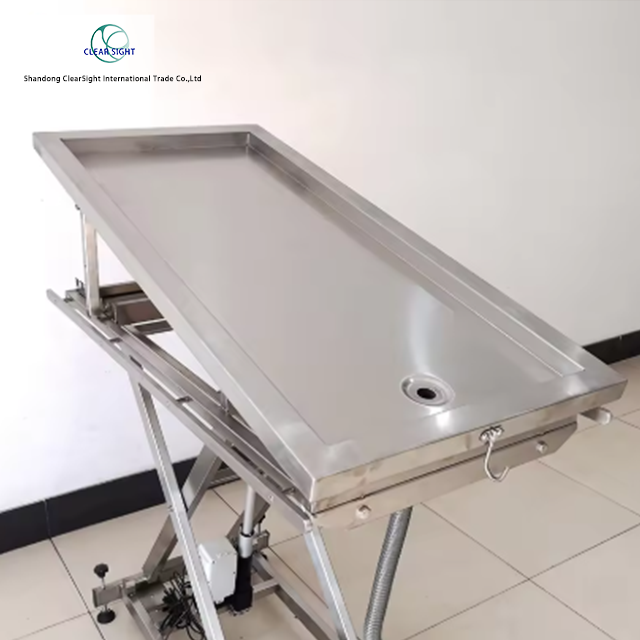
The heart of any modern Elevated Pet Operating Table is its lifting mechanism. You generally choose between electric actuators and hydraulic pumps. Each technology offers distinct operational advantages and unique maintenance profiles.
Electric tables utilize motorized linear actuators to adjust height.
Pros: They provide continuous, ultra-smooth elevation. Surgeons enjoy hands-free foot pedal operation, which preserves sterility. Electric models also offer precise height locking, stopping exactly where you release the pedal.
Cons: They require dedicated operating room power routing. Power cords can become trip hazards if poorly managed. Additionally, they carry potential electronic failure risks over a typical 10-year lifespan.
Hydraulic models rely on fluid-driven mechanical pumps.
Pros: They offer complete independence from power grids. You eliminate trip hazards from trailing cords. Hydraulic mechanical pumps are exceptionally durable. They are also ideal for aggressive wash-down environments where water might damage electronics.
Cons: They can exhibit a slightly jerky motion if the pump is poorly maintained or air enters the lines. They also require manual foot-pumping, which requires a bit more physical effort than tapping an electric pedal.
You must carefully match the lift mechanism to your specific OR layout and daily caseload. High-volume soft-tissue clinics often prefer the effortless speed of electric tables. Conversely, rural practices or clinics with frequent heavy-duty orthopedic wash-downs often lean toward the rugged reliability of hydraulic pumps.
Lift Mechanism Comparison
Feature | Electric Actuator | Hydraulic Pump |
|---|---|---|
Power Source | 110V/220V Wall Outlet | Manual Foot Pedal |
Motion Smoothness | Excellent (Continuous) | Good (Incremental) |
Water Resistance | Moderate (Requires Care) | High (Wash-down Safe) |
Mobility & Cabling | Tethered to Wall | Fully Independent |
Evaluating surgical infrastructure requires a close look at clinical utility. You should analyze three major functional criteria.
Surface Architecture (V-Top vs. Flat Top): You must evaluate V-top tables for superior dorsal recumbency support. The adjustable V-panels cradle the patient securely during abdominal surgeries. They also feature integrated fluid troughs that channel away blood and lavage fluids. Alternatively, assess flat tops if your clinic performs broader general surgery. Flat tops offer greater flexibility for diverse patient positioning.
Tilt Capabilities: Discuss the necessity of longitudinal (Trendelenburg) and lateral tilting. Trendelenburg positioning angles the patient's head downward. This gravity-assisted tilt drops abdominal organs away from the diaphragm. It dramatically improves anatomical access during complex liver or diaphragmatic hernia repairs. Lateral tilt similarly aids in specific orthopedic and thoracic approaches.
Dynamic Load Capacity: You must look far beyond basic static weight limits. Evaluate how the equipment handles unpredictable forces. Imagine a 150 lb mastiff shifting violently during rough anesthesia recovery. The structure must absorb this dynamic load without actuator strain, base buckling, or tipping. Always demand a high dynamic load rating.
Material science directly impacts infection control. You must clarify the profound difference between standard commercial steel and medical-grade Type 304 or 316 stainless steel. Type 304 and 316 offer exceptional corrosion resistance. They withstand daily exposure to reactive iodine, aggressive saline solutions, and harsh chemical disinfectants. Standard commercial steel quickly pits and degrades under these harsh clinical conditions.
Intelligent sanitation design stops nosocomial infections. Point out the immense importance of seamless welding. Gaps and crannies in poor welds become invisible bacterial harbor points. Look for models featuring removable stainless grates and integrated fluid collection buckets. These elements allow your veterinary technicians to sanitize the entire operative field swiftly and comprehensively between back-to-back procedures.
Clinic owners frequently fall into the "cheapest option" mentality. You must challenge this approach aggressively. Lower-grade materials inevitably lead to rust. Rust compromises sterility and routinely causes compliance failures during rigorous health inspections. Investing in a premium Elevated Pet Operating Table guarantees decades of safe, compliant operation. High-grade stainless steel easily outlasts budget alternatives, preserving your clinic's professional reputation.
You must analyze the floor base design before making a purchase. The two most common architectures are Z-base and X-base frames. A well-engineered Z-base tucks neatly under the platform. This specific design creates exceptional surgeon foot clearance. You can stand flush against the table without kicking the metal frame. Conversely, an X-base often protrudes outward. Note how base design impacts your posture and overall OR floor space maneuverability.
Discuss the physical realities of equipment installation. These surgical platforms frequently have shipping weights exceeding 200 lbs. You must arrange adequate personnel for receiving and uncrating. Furthermore, perform mandatory doorway clearance checks. Many older veterinary clinics feature narrow interior doors. A fully assembled, rigid-frame table might not fit through standard residential-sized doorways. Finally, recognize calibration requirements upon delivery. Technicians must level the base precisely to ensure fluid drains properly.
Every mechanical system requires diligent upkeep. Outline realistic maintenance schedules to ensure a 10-15 year operational lifespan. For hydraulic models, technicians must occasionally bleed the hydraulic lines to remove trapped air. Electric models require periodically lubricating the electric actuators and inspecting cable integrity. For all tables, staff must routinely check and clean caster locks to prevent the base from creeping during active surgery.
Thoroughly vet your potential suppliers. Do not rely solely on glossy marketing brochures. Ask hard, logistical questions. "Are replacement actuators or pump seals stocked domestically?" If a vendor ships replacement parts from overseas, your primary operating room might sit idle for weeks. Ensure the manufacturer offers robust, accessible technical support.
Break down what a reliable warranty actually covers. Many manufacturers boast a "10-year warranty," but the fine print reveals it only covers the steel frame. They might only cover the sensitive electronics or hydraulic seals for a single year. You must demand transparency regarding the specific coverage periods for moving components versus static structures.
Provide a strict purchasing checklist for clinic owners and procurement managers. Use this checklist when requesting quotes:
Verify the exact grade of stainless steel (Accept only 304 or 316).
Confirm the dynamic load capacity exceeds 250 lbs.
Select the lift mechanism (Electric vs. Hydraulic) based on OR layout.
Determine the required surface architecture (V-Top vs. Flat).
Check doorway measurements against the product's shipping dimensions.
Request a detailed breakdown of the warranty terms in writing.
An advanced Elevated Pet Operating Table is far more than a passive piece of clinic furniture. It serves as an active participant in surgical success and long-term staff retention. By prioritizing ergonomic support, you protect your surgical team from chronic injuries and fatigue. By demanding absolute structural stability and medical-grade materials, you safeguard your patients and elevate your clinical standards.
We strongly urge decision-makers to prioritize long-term stability and ergonomic benefits over immediate, superficial cost savings. Cutting corners on your primary surgical workspace always compromises clinical outcomes.
Take action today. Evaluate your current OR setups against the strict criteria outlined above. Assess your table's stability, material grade, and ergonomic flexibility. We encourage you to contact a specialized veterinary vendor for a comprehensive consultation to upgrade your facility.
A: We recommend a dynamic load capacity of at least 250 lbs. Large breeds exert immense shifting forces during anesthesia recovery. A high dynamic load rating ensures absolute structural safety and prevents mechanical failure under sudden, unpredictable stress.
A: Both offer excellent reliability. Hydraulic pumps typically outlast electric motors because they rely on durable mechanical seals rather than complex circuitry. However, electric actuators provide smoother adjustments. Hydraulics may require occasional fluid top-offs, whereas electric systems risk eventual motor burnout.
A: Usually, you cannot retrofit a flat-top table with a V-top. Manufacturers weld or integrate the surface directly into the primary lifting chassis. You must select your preferred surface architecture during your initial purchase to guarantee secure patient positioning.
A: Most electric surgical tables require a standard 110V or 220V wall outlet. You must plan for proper cable management. Using overhead power drops or secure floor cord covers prevents dangerous tripping hazards in your operating room.


