
English 


Views: 0 Author: Site Editor Publish Time: 2026-06-10 Origin: Site


Veterinary clinics and pet shops face a harsh operational reality every single day. Facility managers lose thousands of labor hours annually to expired medications, misplaced inventory, and highly inefficient staff workflows. Tracking down a single missing vaccine vial wastes precious minutes during a busy shift. These small delays compound quickly.
Generic shelving and basic DIY storage hacks severely fail to meet these rigorous demands. High-volume animal care facilities require strict sanitation protocols, robust security, and seamless workflow integration. Basic wooden shelves simply cannot handle strong disinfectants or secure regulated pharmaceuticals effectively.
Optimizing physical space requires a definitive transition from ad-hoc shelving to purpose-built hardware. This guide provides a strategic framework for evaluating and implementing professional storage systems. We will explore how securing inventory, improving vet tech workflows, and maintaining compliance ultimately transforms daily clinic operations.
Replacing generic shelving with purpose-built medical cabinets directly reduces inventory shrinkage and stockout risks.
The primary evaluation criteria for veterinary storage are clinical-grade durability, modular scalability, and controlled-substance security.
Strategic placement of a pet medical storage cabinet at the point-of-care reduces wasted staff movement and accelerates treatment times.
Physical storage optimization must align with digital inventory management systems (PIMS) for maximum ROI.
Poor organization drains clinical resources quietly but consistently. You might not notice the immediate impact of a disorganized supply room, but it significantly affects daily productivity. When staff cannot find what they need instantly, patient care suffers. We must address these hidden operational bottlenecks to create a truly optimized facility.
Veterinary technicians navigate high-stress environments constantly. They often walk miles across the clinic just to retrieve basic supplies. Address this daily friction by mapping their physical movements. When you place supplies too far from treatment tables, you force staff to leave their patients. Frame your operational success around reducing "steps per procedure." Minimizing physical distance between supplies and patients keeps your staff focused on care rather than searching.
Staff leave high-stress triage zones to find bandages or syringes.
Multiple technicians search for the same mislabeled item simultaneously.
Procedure times expand because essential tools remain scattered across different rooms.
Disorganized storage directly causes massive inventory shrinkage. When items get pushed to the back of deep, dark shelves, they expire unnoticed. You end up with buried stock and duplicated orders. Technicians open new boxes because they cannot see the half-used ones. This lack of visibility forces managers to over-order out of fear. Expired pharmaceuticals drain clinic resources heavily.
Inefficient Storage Outcome | Operational Consequence | Optimized Solution |
|---|---|---|
Deep, unlit generic shelves | Products expire in the back; over-ordering occurs. | Pull-out trays for 100% stock visibility. |
Centralized single supply room | Excessive staff walking; longer procedure times. | Point-of-care cabinets in specific treatment zones. |
Unsecured open bins | Missing stock; unauthorized access risks. | Tiered locking mechanisms based on item sensitivity. |
Storage is not just about organization; it is about strict safety. You must highlight the severe liabilities of improperly secured controlled substances. Regulatory bodies demand rigorous tracking and physical protection for specific veterinary narcotics. Furthermore, cross-contamination presents a massive risk. Mixing pet shop retail stock with sensitive clinical supplies can lead to dangerous errors. Proper hardware creates a hard physical boundary between different inventory types.
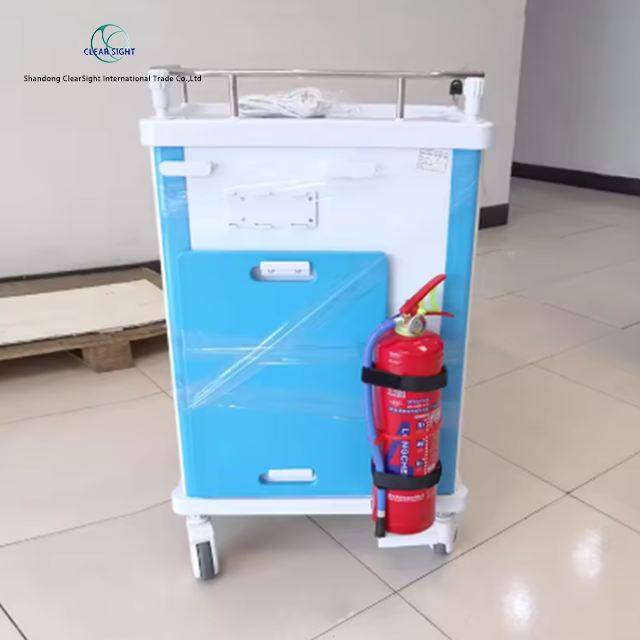
Selecting the right hardware requires understanding clinical environments. A standard office cabinet will deteriorate rapidly in a fast-paced veterinary setting. You need solutions engineered specifically for animal health facilities. Let us examine the three essential criteria you must evaluate before making an implementation decision.
Veterinary environments endure constant exposure to harsh chemicals. Evaluate construction materials rigorously. Powder-coated steel and high-density laminates offer excellent resistance. They must withstand daily exposure to heavy-duty veterinary disinfectants, such as accelerated hydrogen peroxide or concentrated bleach. Lesser materials will rust, warp, or degrade quickly. A dedicated Pet Medical Storage Cabinet ensures seamless sanitation compliance. You can wipe down these clinical-grade surfaces vigorously without compromising their structural integrity over time.
Not all clinic supplies require the same level of protection. Assess locking mechanisms carefully. Differentiate between standard key locks for general medical supplies and advanced systems for sensitive drugs. Controlled veterinary narcotics demand DEA-compliant double-lock systems. These robust security features prevent unauthorized access and protect your license. Having tiered security allows quick access to bandages while keeping ketamine or euthanasia solutions strictly fortified.
Animal care requires supplies in vastly different shapes and sizes. Look for hardware featuring highly adjustable internal architecture. Pull-out trays, repositionable shelving, and modular bins are critical. They adapt seamlessly to changing packaging dimensions. You might store large, heavy fluid bags one month and switch to hundreds of tiny vaccine vials the next. Adjustable dividers keep small items upright and visible, preventing the chaotic jumble that often ruins inventory counts.
Physical hardware cannot operate in a vacuum. To maximize operational efficiency, your physical space must mirror your digital tracking. Integrating robust cabinets with your software transforms your supply room into a precise, highly managed ecosystem.
Explain how specialized hardware supports digital Practice Information Management Systems (PIMS). Systems like IDEXX or ezyVet rely on accurate physical counts. When you implement a Pet Medical Storage Cabinet, you create defined physical locations for digital data. If the software says you have ten boxes of syringes in "Zone A," the hardware must clearly define and protect "Zone A." This synergy prevents the dreaded mismatch between screen numbers and reality.
Frame the cabinet not just as furniture, but as a rigid physical checkpoint. Assigning specific cabinet zones to specific PIMS inventory codes streamlines regular auditing. It makes automated reordering highly reliable. Implement strict routines around this hardware to ensure consistency.
Assign every shelf or drawer a distinct barcode or alphanumeric label.
Match these physical labels directly to your PIMS location fields.
Designate a receiving quarantine zone where new stock waits for digital entry.
Perform weekly cycle counts on a rotating basis, checking one specific drawer per day.
Restrict access to overstock cabinets, allowing techs to draw only from active daily bins.
We must acknowledge a hard truth regarding facility upgrades. High-end storage won't fix poor inventory tracking habits automatically. Without corresponding staff training, even the best system fails. You must implement rigorous check-in and check-out protocols. Staff need to understand that leaving a cabinet unlocked or grabbing supplies without logging them undermines the entire ecosystem. Technology and hardware only amplify the quality of your team's habits.
Where you place your storage matters just as much as what you buy. Spatial planning dictates how fast your team responds during an emergency. We need to look at spatial design through the lens of veterinary ergonomics and high-traffic flow.
Advocate strongly for decentralizing your storage. Relying on one central supply closet forces staff to act as couriers rather than caregivers. Place specific procedure cabinets directly in their respective zones. Keep dental supplies securely housed in the dental suite. Put surgical prep materials right next to the scrub sink. This localized approach cuts down transit time drastically. It allows veterinary technicians to remain near sedated animals, drastically improving patient safety.
Discuss spatial planning carefully. Cabinet doors and pull-out drawers must not obstruct high-traffic pathways. During emergency triage, multiple people rush through the halls with large dogs on stretchers. If an open drawer blocks a critical pathway, it creates a dangerous bottleneck. Ensure adequate clearance for routine animal handling. Consider sliding doors or roll-top closures in extremely tight exam rooms to preserve floor space. Place frequently used items at waist height to prevent staff from constantly bending or reaching.
Address the implementation reality of your specific space. Outline the differences between upgrading an existing location and building a new one.
Retrofitting existing spaces: Focus on standalone modular cabinets. They slide into empty corners without requiring drywall demolition. You can upgrade one room at a time to minimize disruption.
New clinic builds: Integrate built-in casework during the initial design phase. Recess units into the walls to maximize square footage. Plan your electrical outlets inside the cabinets to charge clippers and digital tools out of sight.
Retail crossover: If operating a dual pet shop and clinic, visually separate the clinical storage from retail displays using distinct cabinet colors or architectural dividers.
Choosing a vendor requires careful vetting. You need a partner who understands the veterinary sector, not just a general furniture supplier. Evaluating providers systematically ensures you receive durable hardware and reliable support.
Guide buyers to evaluate the long-term operational impact. Calculate the return on investment based purely on reduced expired goods and saved labor hours over a 5-to-10-year lifecycle. When staff stop searching for lost items, they handle more appointments efficiently. When medications stop expiring in the back of deep shelves, waste plummets. Focus your evaluation on how effectively the hardware extends the lifecycle of your consumables and protects your daily operational output.
Use a strict set of criteria to filter potential suppliers. Veterinary workflows demand specialized solutions.
Evaluation Category | Specific Questions to Ask Vendors | Why It Matters for Vet Clinics |
|---|---|---|
Industry Specificity | Do they offer veterinary-specific configurations or just repurposed human medical/office furniture? | Vet supplies (e.g., large IV fluid bags, e-collars) require different drawer depths than human medical supplies. |
Replacement & Maintenance | What are the lead times for replacement parts like hinges, drawer glides, and locks? | A broken narcotic lock must be replaced immediately to maintain compliance. Long lead times are unacceptable. |
Logistics & Installation | Is delivery, assembly, and professional installation included? | Clinic staff cannot pause patient care to assemble heavy steel furniture. Professional installation ensures safety. |
Advise your team on safe rollout strategies. Installing new hardware temporarily disrupts daily routines. Recommend migrating inventory during off-hours or clinic closure days. This prevents treatment disruptions. Empty the old shelves, clean the supplies, and stock the new units methodically. Perform a comprehensive inventory audit during this transfer. Accurate initial stocking sets the foundation for a successful transition. Label everything clearly before the first morning shift begins, so technicians feel confident navigating the new setup immediately.
Reiterate that optimizing clinic or pet shop storage stands as a major strategic operational decision. It directly protects your margins by eliminating expired waste. It ensures strict regulatory compliance through advanced security. Most importantly, it retains highly trained staff by reducing their daily physical frustrations and workflow barriers.
Advise decision-makers to audit their current inventory loss and workflow bottlenecks thoroughly before requesting vendor catalogs. Walk the floor with your technicians to observe where the friction happens. Measure how much expired stock you threw away last quarter. These internal metrics will guide you toward the exact hardware configurations you need.
Do not let disorganized storage dictate your patient care capacity any longer. Schedule a consultation with a veterinary spatial design expert today, or request a detailed catalog of specialized storage solutions to begin your facility upgrade.
A: A specialized cabinet features clinical-grade materials highly resistant to harsh veterinary sanitizers. It offers specialized compartments sized for vet-specific supplies, like bulky fluid bags or tiny vials. Most importantly, it includes advanced, tiered security locking mechanisms required for heavily regulated veterinary medications.
A: It directly reduces daily workplace frustrations. Optimized layouts minimize chaotic searching for critical supplies during high-stress moments. It cuts down unnecessary walking, decreases physical fatigue, and creates a much safer, highly organized working environment where technicians can focus purely on animal care.
A: Regulatory baselines, such as DEA requirements in the US, mandate strict physical security. You typically need permanently affixed cabinets mounted securely to the wall or floor. They must feature dual-locking mechanisms, often requiring two separate keys or a combination of digital and physical locks, to prevent unauthorized access.
A: Yes, highly modular systems are designed for scalability. They allow growing clinics to easily add stackable units or completely reconfigure internal drawer layouts. You can adapt the internal architecture to changing inventory sizes without needing to replace the entire footprint of the cabinet.


