
English 


Views: 0 Author: Site Editor Publish Time: 2026-05-19 Origin: Site


Do automatic water systems for felines exist? Yes. The pet care market offers highly evolved hydration solutions. We have transitioned from simple gravity bowls to sophisticated, pump-driven fountains and smart hydration monitors. Cats are notoriously poor drinkers. They instinctively distrust stagnant water sources in the wild. In domestic settings, this chronic dehydration frequently leads to severe feline kidney and urinary tract issues. Modern automated solutions effectively solve this biological mismatch.
Our guide moves past asking if these devices exist. We focus on evaluating which automated system justifies its upfront cost and ongoing maintenance overhead. You will learn about different pump mechanics, material hygiene standards, and the total cost of ownership. We will also help you match specific hardware features to your unique household needs. Upgrading your pet's hydration station requires careful planning. Let us examine the mechanics, costs, and daily realities of owning these systems.
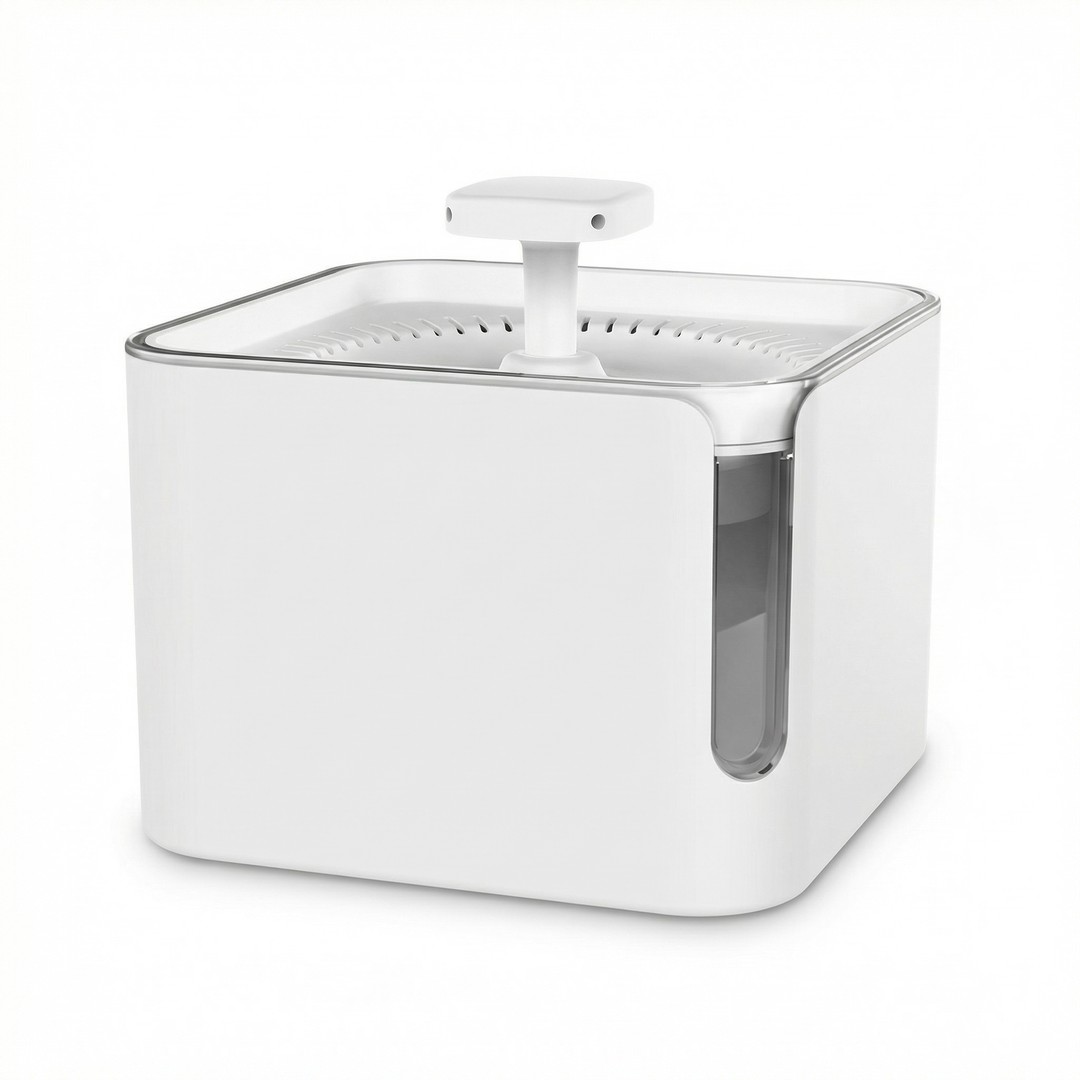
System Varieties: Solutions range from non-electric gravity feeders to multi-stage filtration smart fountains.
Material Matters: Stainless steel and ceramic offer superior hygiene over plastic, minimizing feline acne and bacterial biofilm.
The Hidden Cost (TCO): The true cost of an automatic water dispenser is not the hardware, but the recurring proprietary filter replacements and required cleaning time.
Risk Mitigation: Power outages and pump failures are the biggest risks; dual-power options or gravity-fallback designs are essential for owners who travel.
Selecting an Automatic Cat Water Dispenser begins with understanding the underlying technology. Manufacturers categorize these hydration stations into three distinct architectural tiers. Each tier addresses different household priorities.
Gravity-fed units rely entirely on basic physics. The mechanism uses a vacuum seal and simple gravity to refill a bowl automatically as your pet consumes the liquid. A large inverted reservoir sits above a shallow drinking dish. When the water level in the dish drops, air enters the reservoir, displacing liquid downward until the vacuum seal stabilizes again.
The primary advantage is reliability. These zero-power units boast high capacity and require no electricity. They provide an excellent fail-safe for travel scenarios. If you leave home for the weekend, you never worry about power outages. However, the drawbacks are significant. The liquid remains entirely stagnant. Furthermore, these basic models completely lack mechanical or chemical filtration. Dust, hair, and food particles quickly accumulate in the exposed drinking bowl.
Standard electric fountains represent the most popular tier in the pet care industry. The core mechanism continuously circulates liquid through a filter via a small submersible pump. Designs typically feature free-falling streams, gently bubbling tops, or inclined ramps. Investing in a reliable Automatic Cat Water Dispenser that mimics these natural streams helps satisfy the instincts of wild felines.
Continuous circulation encourages frequent drinking. The splashing action oxygenates the water, improving its overall taste. This mechanism actively draws hair and debris down into a filtration pad. The main downside involves maintenance. You must supply constant electricity. Furthermore, you must commit to regular pump maintenance to prevent mechanical failure.
Smart models bring Internet of Things (IoT) connectivity to pet hydration. The mechanism integrates water quality sensors, internal volume tracking scales, and pump control via Wi-Fi or Bluetooth. You manage the device through a companion smartphone app.
These devices offer high data visibility for tracking hydration habits. You can monitor exactly how many milliliters your cat drinks daily. This data proves invaluable for pets managing chronic kidney disease. Unfortunately, these units demand a high upfront cost. They also introduce potential tech-stack failure points. App glitches, disconnected Wi-Fi, or faulty sensors can occasionally disable the basic pumping functions.
System Type | Power Source | Filtration | Ideal Scenario | Primary Risk |
|---|---|---|---|---|
Gravity-Fed | None | None | Weekend travel, frequent power outages | Stagnant water contamination |
Standard Pump | AC/DC Plug | Carbon / Sponge | Everyday use, improving hydration rates | Pump burnout from low water |
Smart / IoT | Wi-Fi + AC/DC | Multi-stage | Monitoring senior or sick cats | Software glitches, high cost |
You must evaluate hydration hardware based on real-world utility rather than marketing claims. We recommend assessing materials, filtration efficacy, acoustics, and built-in redundancies before making a purchase.
The construction material directly impacts your pet's dermatological health. Plastic dominates the budget end of the market. It is cheaper and lightweight. However, plastic surfaces are highly prone to developing microscopic scratches during routine cleaning. These invisible abrasions harbor persistent bacteria. Veterinary dermatologists frequently link plastic feeding bowls to the development of feline acne—characterized by black comedones on the cat's chin.
Stainless steel and ceramic represent the clinical standard for pet hygiene. These materials are heavily resistant to scratching. They naturally resist bacterial biofilm buildup. Most stainless steel and ceramic basins are entirely dishwasher-safe. They easily withstand high-heat sterilization.
Do not assume all filters perform equally. Standard filtration usually involves a simple carbon pad. Activated carbon effectively removes chlorine odors and improves general taste. However, basic pads ignore physical debris.
Look for multi-stage systems. A high-quality Automatic Cat Water Dispenser will integrate ion-exchange resin to soften hard tap water. Hard water contains excess calcium and magnesium, which contribute to urinary crystal formation. Additionally, mechanical pre-filter sponges are vital. These coarse sponges wrap around the pump intake to block pet hair before it reaches the delicate impeller.
Feline hearing is incredibly sensitive. You must evaluate the decibel rating of the pump motor. A loud hum or excessive splashing sounds will trigger feline neophobia—an instinctive fear of new things. If the device sounds threatening, it will cause an outright rejection of the unit.
Best Practice: Seek out units advertising a noise level below 30 decibels (dB). This mimics a quiet whisper.
Common Mistake: Placing a fountain on a hollow wooden floor can amplify motor vibrations. Use a silicone mat to dampen acoustic resonance.
Hardware safety features separate premium devices from cheap alternatives. Look closely for "auto-shutoff" pumps. When the liquid level drops too low, an auto-shutoff mechanism cuts power to the motor. This prevents the stator from overheating and burning out. Furthermore, prioritize designs featuring a shallow reserve pool. If you lose electricity, a flat upper tray allows your pet continuous access to a small reserve of liquid.
Owning a continuously running appliance introduces new household chores. Your willingness to perform regular maintenance dictates the ultimate success of the hydration station.
Evaluate the disassembly requirements before buying. Hard water scaling and feline saliva mandate weekly cleaning. Saliva creates a slippery, pink-hued biofilm on the basin surfaces. You must scrub the entire unit thoroughly every seven days.
Pump teardown is the most neglected chore. You face the necessity of removing the pump impeller to clear hair blockages. The impeller is a small, magnetic propeller inside the motor housing. Hair wrapping around this propeller is the number one cause of hardware failure. You must extract it with tweezers during your weekly cleaning routine.
Cats rarely embrace new gadgets immediately. You must manage the transition period carefully. Rushing the process guarantees rejection. Follow these distinct steps for successful acclimation:
Wash all components thoroughly to remove chemical factory odors.
Place the assembled, filled fountain in a neutral territory. Keep it away from the litter box and existing food bowls, as felines prefer completely separated resources.
Leave the device unplugged for the first three to four days. Let your pet investigate the new object safely.
Once they drink from the stagnant bowl confidently, plug the unit in. Start at the lowest possible flow setting.
Consider physical placement hazards. Cord management is crucial. Dangling electrical cords present severe chew risks for kittens. Always use protective cord covers or route cables behind heavy furniture. Furthermore, manage placement to avoid electrical hazards from splashing. Keep the device away from active wall outlets or power strips resting on the floor.
The upfront price tag rarely reflects the true financial commitment. You are buying into a recurring ecosystem. Understanding the Total Cost of Ownership prevents buyer's remorse.
Base ranges vary wildly across the market. A simple gravity model generally costs around $15. Standard electric plastic fountains sit in the $25 to $35 range. Premium smart fountains or heavy-duty ceramic models quickly scale to $80 or more. The initial investment secures the housing and the motor.
Manufacturers generate most of their profit through the "razor-and-blades" business model. You must purchase proprietary filters continually. Filter replacement frequency depends heavily on your local water hardness and multi-pet usage. Generally, filters require replacement every two to four weeks.
Project this cost annually. A $30 fountain might require $60 worth of proprietary branded filters every year. When evaluating options, check generic third-party compatibility. Some popular housing designs accept inexpensive generic carbon pads, drastically lowering your annual TCO.
Submersible pumps operate under continuous strain. They typically degrade or fail after 12 to 18 months of 24/7 use. Evaluate brands that sell standalone replacement pumps. If the motor dies, you want the ability to buy a $10 replacement pump rather than discarding the entire $60 ceramic housing.
No single product fits every household. You must match the hardware specifications to your specific daily lifestyle and the physical characteristics of your feline companions.
If your job requires frequent overnight trips, prioritize redundancy. Seek out battery-operated units or dual-power options. Some modern devices run on USB power but automatically switch to an internal AA battery bank if the house loses electricity. Alternatively, select a standard fountain featuring a large, accessible reserve tray. A deep upper basin guarantees hydration access even during extended power grid failures.
Sharing resources causes feline tension. Demand a minimum capacity of three liters or more. A large volume prevents the bowl from running dry while you are at work. Look for circular designs offering 360-degree drinking access. This allows multiple pets to drink simultaneously without territorial disputes. Most importantly, demand heavy-duty pre-filter sponges. Three shedding felines will clog a standard unprotected pump in a matter of days.
Older felines require ergonomic considerations. Select designs featuring a wide, shallow drinking area. This specific geometry prevents "whisker fatigue"—a stressful sensory overload caused by sensitive whiskers continuously brushing against high, narrow bowl rims. Furthermore, opt for quiet, gently bubbling flows rather than aggressive free-falling streams. A subtle current is far less intimidating to a fragile, aging pet.
An automatic feline hydration station provides an excellent return on investment. The transition from stagnant bowls to filtered, flowing streams actively prevents devastating kidney and urinary illnesses. The final verdict is clear: selecting a high-quality Automatic Cat Water Dispenser is a sound investment in preventative health, provided the buyer aligns the hardware with their willingness to perform necessary maintenance.
Your next-step action is straightforward. First, audit your cat's current drinking habits and preferred water sources. Second, calculate an acceptable recurring budget for replacement filters. Finally, shortlist two or three highly rated stainless steel or ceramic models to compare. Prioritize hygiene and motor reliability over flashy, unnecessary smart features.
A: Yes, provided the unit features specific fail-safes. Ensure your device has an auto-shutoff pump to prevent fire hazards if the water level drops. We highly recommend utilizing dual-power battery backup units or designs with large reserve pools so your pet retains access during unexpected power outages.
A: Replace the filters every two to four weeks. While brand recommendations lean toward two weeks to drive sales, you should rely on visual and tactile inspection. If the filter feels slimy, appears discolored, or water flow noticeably slows down, it is time for an immediate replacement.
A: No. Standard submersible pumps operate on very low voltage, typically utilizing 1 to 2 watts of power. Running one continuously 24 hours a day costs only pennies per month. The electrical footprint is negligible compared to larger household appliances.
A: Cats naturally fear new, noisy objects. Rejection usually stems from poor resource placement or motor noise. Keep the device far away from litter boxes. Unplug the fountain for the first few days to let them investigate safely, then slowly reintroduce power on the lowest, quietest flow setting.


