
English 


Views: 0 Author: Site Editor Publish Time: 2026-05-20 Origin: Site


You spend your weekend thoroughly scrubbing the pet fountain, feeling victorious as it sparkles on the kitchen counter. Yet, just days later, you notice a familiar slippery film and an unsettling pink residue clinging to the pump. This recurring nightmare leaves many pet owners feeling deeply defeated. This isn't just cosmetic slime you are looking at—it is a resilient bacterial matrix. It actively discourages cats from drinking while introducing severe gastrointestinal risks to their delicate systems. Quick rinses under the tap and routine filter changes simply cannot penetrate these defensive microbial shields. We need a much better strategy to protect feline health long-term. This definitive guide will teach you how to permanently dismantle biofilm. You will learn proven manual Standard Operating Procedures (SOPs), discover the critical importance of material upgrades, and thoroughly evaluate active technological solutions like Cat Water Fountain UV Sterilization.
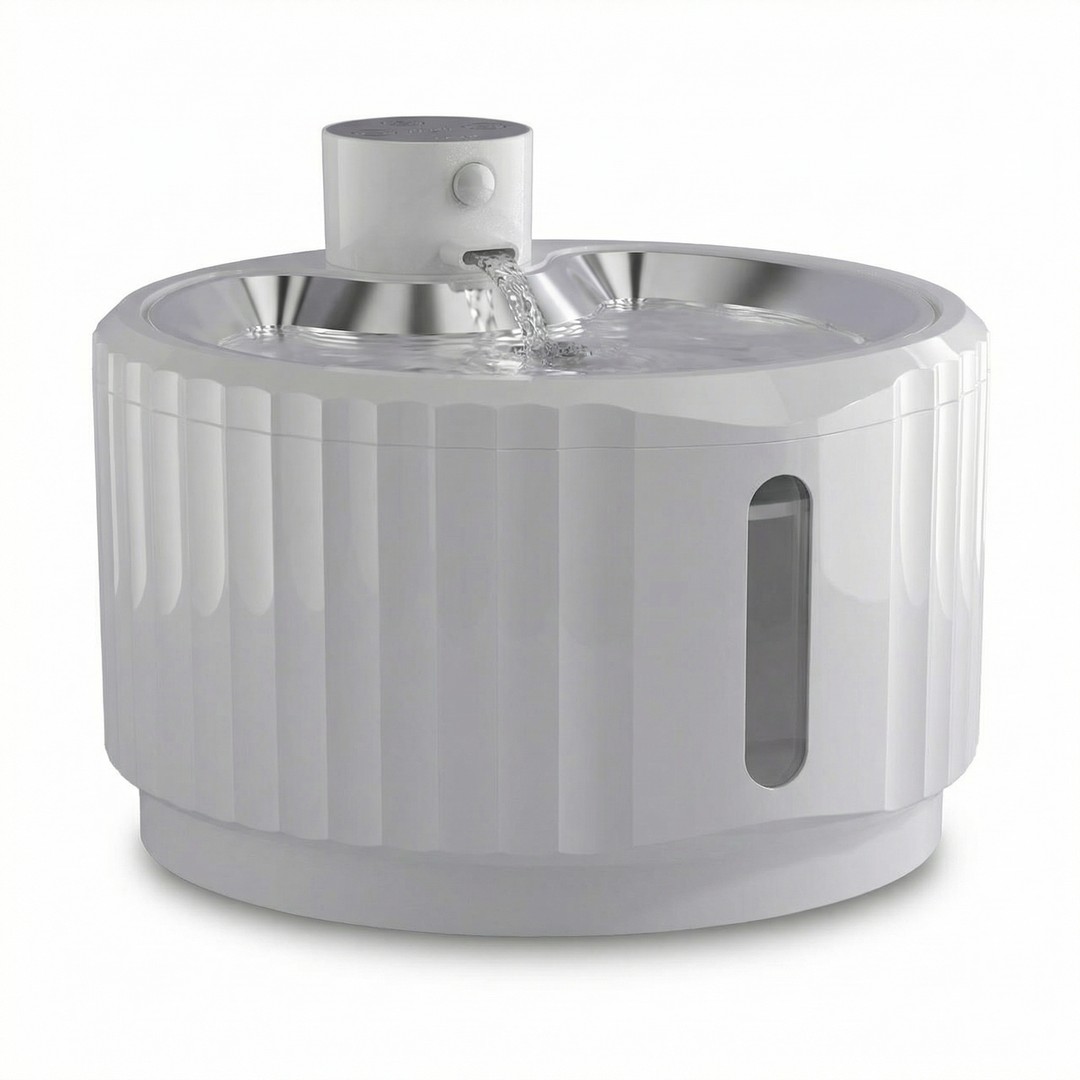
The "Slime" is Biofilm: The pink residue (Serratia Marcescens) and clear slime are highly resistant bacterial shields that basic soap cannot penetrate.
Filtration ≠ Sterilization: Carbon and sponge filters only catch hair and improve taste; they do not stop planktonic bacteria from breeding in stagnant pump zones.
Material Dictates Maintenance: Micro-scratches in plastic harbor parasites (like Giardia). Upgrading to 304 stainless steel or high-fired ceramic drastically reduces bacterial adhesion.
Active Tech ROI: Investing in Cat Water Fountain UV Sterilization presents a measurable return on investment by neutralizing bacterial DNA, stretching the time required between manual deep cleans.
Before you can defeat the enemy, you must understand its armor. The slippery clear substance coating your pet's bowl is not just dirty water. We call this substance biofilm. It acts as a highly structured protective matrix blending live bacteria, fungi, and organic debris. This living fortress essentially glues itself to surfaces. Biofilm makes the microbes inside it up to 1,000 times more resistant to standard household disinfectants. When you quickly wipe the bowl using a paper towel, you only remove the top layer. The foundational matrix remains intact, allowing the colony to completely rebuild itself within 24 hours.
You might frequently notice a bright red or pink ring developing near the waterline. This specific discoloration comes from Serratia Marcescens. It is a highly opportunistic pathogen. It thrives aggressively in warm, damp environments like bathrooms and pet bowls. While many owners mistake it for common mold, it is actually a distinct bacterial strain. It exploits the nutrients found in your cat's saliva.
The health stakes surrounding these invisible colonies remain remarkably high. The National Sanitation Foundation (NSF) officially classifies pet bowls among the top five dirtiest household items. Chronic exposure to this bacterial load introduces constant threats to your cat. It actively drives feline dental plaque buildup, triggers recurrent urinary tract infections (UTIs), and causes persistent gastrointestinal distress.
To implement an effective defense, we must map the root causes driving this explosive bacterial growth. The four primary drivers include:
Organic Contamination: Cats leave behind saliva, dropped kibble particles, and dander every time they drink. These act as high-grade fertilizer for microbes.
Dead Water Zones: Internal pump mechanics and sharp plastic corners harbor stagnant water where normal flow cannot flush out bacteria.
Environmental Heat: Placing the device near a sunny window or heat vent exponentially accelerates microbial replication rates.
Planktonic Bacteria: Standard tap water introduces free-floating organisms. They eventually settle onto surfaces and begin constructing new biofilm matrices.
Best Practice: Always position your hydration station in a cool, shaded corner of your home to slow down bacterial metabolism.
Common Mistake: Assuming a visually clean filter means the water is safe. Filters cannot trap microscopic bacteria suspended in the water column.
Standard dish soap fails terribly against established biological armor. Our primary success criteria involves destroying the entire biological matrix without leaving toxic chemical residues behind. Bleach might kill the bacteria, but it severely risks poisoning your pet. We need a smarter, friction-based approach.
You must start with a Daily Mini-Reset. This single step prevents free-floating bacteria from anchoring to the walls. It takes only one minute. Discard all stagnant water down the drain. Rinse the basin thoroughly using hot tap water, then refill it completely. Crucial rule: Never just "top off" existing water. Topping off simply dilutes fresh water into an active, thriving bacterial culture.
When the weekend arrives, you must execute the Weekly Deep Clean. Many experienced pet owners refer to this highly effective routine as the "Reddit Hack" protocol. Follow these exact steps:
Prep the Unit: Empty the fountain completely. You must strictly remove all carbon and sponge filters. Acids easily destroy carbon and ion exchange filters, rendering them useless.
The Acid Flush: Mix a strict 1:19 white vinegar-to-water solution. Pour this mixture into the main reservoir. Plug the device in and run the pump for 20 to 30 minutes. The continuous circulation dissolves hard mineral scale. It safely flushes out the internal pump dead zones where you cannot reach.
Physical Scrub: Unplug the unit entirely. Disassemble the plastic pump housing and remove the tiny magnetic impeller. You must apply direct physical friction using a small brush. Friction remains the only proven way to physically break and remove the biofilm matrix.
Sometimes routine maintenance is not enough. If your cat has recently fallen ill or you notice severe gastrointestinal symptoms, you must initiate Crisis Intervention. You need to elevate your defense mechanisms. Substitute the standard vinegar solution with a 3% hydrogen peroxide soak. This medical-grade approach effectively eradicates extremely stubborn pathogens, including dangerous Giardia spores. After soaking the components for ten minutes, follow up immediately using an exhaustive fresh water rinse.
The manual SOP we just discussed demands intense physical scrubbing. This creates a severe paradox if you own a plastic unit. We must highlight the core implementation vulnerability of plastics. They inevitably develop micro-scratches from routine brush friction. These microscopic ravines quickly become impenetrable safe havens for bacterial spores. Over time, no amount of scrubbing can reach the bacteria hiding deep inside these tiny plastic canyons. Furthermore, degraded plastic frequently harbors bacteria responsible for feline acne—those stubborn blackheads on your cat's chin.
We must evaluate alternatives. Upgrading your hardware fundamentally shifts your cleaning burden. Let's look at how materials directly dictate your maintenance schedule.
Material Type | Surface Porosity | Pros | Cons |
|---|---|---|---|
Standard Plastic | Highly Porous | Inexpensive upfront; lightweight; quiet water impact. | Easily scratched; harbors Giardia; requires replacement every 6-12 months. |
304 Stainless Steel | Non-Porous | Smooth surface resists biofilm; dishwasher safe; extremely durable. | Low-grade steel may rust; some cats dislike the metallic reflection. |
High-Fired Ceramic | Non-Porous (Glass-like) | Zero flavor transfer; excellent cooling properties; heavy base prevents tipping. | High physical weight makes sink washing difficult; severe shatter risk. |
The 304 food-grade stainless steel advantage remains incredibly strong. Because it lacks microscopic pores, biofilm struggles to find an anchor point. You can easily sanitize it using high heat in a standard dishwasher. Ceramic offers similar biological defenses, fired at temperatures over 1800°F to create a glass-like finish. However, the physical weight of ceramic makes the weekly "Reddit Hack" protocol much more cumbersome for many owners.
Even with premium materials, manual deep-cleaning scales poorly for busy owners or multi-pet households. Life gets overwhelmingly busy. You might skip a weekend teardown. Before you know it, the pink slime returns. We need a system that actively fights back while we sleep. This is exactly where advanced purification technologies step in.
How does UV-C technology actually work? Engineers typically house a specialized UV-C light near the internal pump or within a shielded water reservoir. As water circulates through the system, it passes under this concentrated light. The ultraviolet energy continuously irradiates the flowing water. It directly damages the thymine dimers within the DNA and RNA of bacteria, viruses, and algae. By scrambling their genetic code, the microbes lose their ability to replicate. They die off without forming a colony.
Let us conduct a realistic performance evaluation. Cat Water Fountain UV Sterilization fundamentally changes the maintenance timeline. What it does exceptionally well is dramatically slow down the initial formation of biofilm. It consistently neutralizes waterborne pathogens before they ever reach your cat's tongue. However, we must remain transparent about what it doesn't do. UV-C light does not remove physical debris. It cannot vaporize floating hair or dissolve kibble dust. You still need mechanical filtration, and you cannot completely eliminate the need for occasional manual pump maintenance.
Security and compliance are non-negotiable when mixing electricity, water, and radiation. Ensure the UV-C implementation is heavily shielded. The light must safely treat the water inside an enclosed internal chamber. It should never expose your cat's highly sensitive eyes to direct radiation. Always verify the manufacturer pairs these systems with UL-certified safe electrical components to eliminate short-circuit risks.
How do you choose the right path for your specific home? We must use a shortlisting logic based on your household constraints and the Total Cost of Ownership (TCO). You generally face two distinct scenarios.
Scenario A: High-Effort / Low-Cost (The Current Setup)
You decide to stick with a basic plastic unit. This requires strict, unwavering adherence to the weekly 30-minute vinegar flush SOP. The upfront financial cost remains very low, but it hides a massive TCO trap. You face a high personal time investment. Furthermore, you will experience faster degradation of scratched plastic. You must completely throw away and replace the entire unit every 6 to 12 months to protect your cat from deeply embedded bacteria.
Scenario B: Low-Effort / High-Efficacy (The Tech Upgrade)
You decide to invest in a stainless steel unit featuring Cat Water Fountain UV Sterilization. Your primary TCO and ROI drivers shift entirely. Yes, you face a noticeably higher upfront purchase cost. However, this one-time purchase completely offsets the relentless replacement cycle of cheap plastic units. It reduces the dreaded "boss fight" deep cleaning routine from weekly to bi-weekly, or even monthly. You save roughly two hours of manual labor per month. Most importantly, you drastically minimize expensive vet bills associated with preventable bacterial infections.
Audit Your Current Hardware: Unplug your device right now. Drain the bowl and inspect the inner walls using a flashlight. If you spot visible scratches, the plastic is compromised.
Listen to the Motor: Does the pump emit a persistent, struggling humming noise? This indicates severe biofilm or hair blockages deep within the impeller.
Make the Call: If you find severe scratches or recurring pink slime despite scrubbing, immediately discard the porous unit and upgrade your system.
You simply cannot negotiate with biofilm. It is a relentless biological force that demands a definitive response. Protecting your cat's hydration requires either relentless physical friction through strict manual SOPs or a hostile environmental design utilizing non-porous materials and active radiation tech. Basic soap and routine filter changes will never solve the root problem.
For owners continually struggling with the "pink stuff" despite regular washing, migrating away from cheap plastic remains absolutely essential. Upgrading to a comprehensive system featuring Cat Water Fountain UV Sterilization paired with a 304 stainless steel basin offers the most reliable defense. It gives you a highly effective, hands-off approach for safeguarding feline health.
To reclaim your weekends and protect your pet, remember these final action steps:
Stop topping off stale water; you must dump and rinse the basin daily.
Ditch severely scratched plastic bowls immediately to prevent parasite accumulation.
Run a preventative acid flush routinely to descale and protect the mechanical pump.
Invest in combined UV-C and stainless steel technology to permanently dismantle microbial colonies.
A: Yes, flowing water strongly encourages hydration, which is absolutely critical for long-term renal health. However, this remains true only if the fountain is completely free of biofilm. A dirty, neglected fountain is significantly more dangerous than a clean, frequently washed standard bowl. You must maintain the hardware.
A: No. Carbon and sponge filters only trap physical debris, hair, and chemical tastes. They absolutely do not kill bacteria. Relying solely on routine filter replacements essentially turns the internal pump into a thriving bacterial petri dish. Physical scrubbing remains mandatory.
A: Immediately unplug and completely remove the fountain. Provide fresh water in a clean, shallow ceramic or glass bowl. Disinfect the entire fountain thoroughly using a 3% hydrogen peroxide soak. Consult your vet immediately if symptoms persist, as dangerous parasites like Giardia may be present in the water.


