
English 


Views: 0 Author: Site Editor Publish Time: 2026-05-20 Origin: Site


Pet owners wage a constant battle against biofilm. You probably recognize it as the gross pink slime coating your pet's water bowl. This persistent bacteria drives many people toward modern pet technology. Manufacturers frequently promise perfectly pure water using ultraviolet light systems. However, consumers naturally feel skeptical about these bold claims. Can a tiny bulb inside a fountain genuinely achieve biological sterilization? You are right to question the reality behind these advertisements.
We need to look past the slick marketing jargon. We will examine established water treatment science to understand how UVC technology actually functions. You will learn the strict operational rules these devices demand to work correctly. Finally, we will help you evaluate if Cat Water Fountain UV Sterilization is a worthwhile investment or just a clever commercial gimmick.
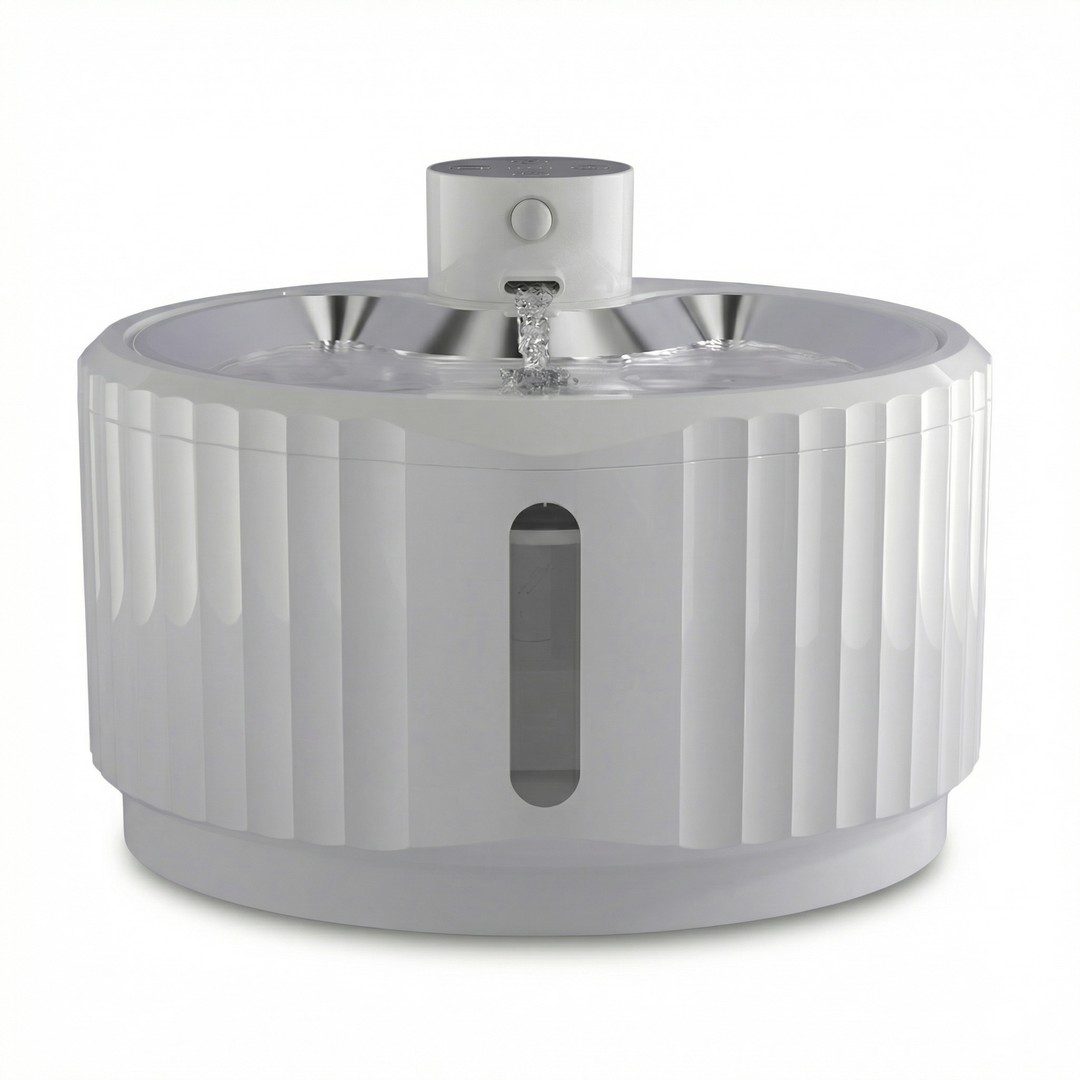
It's Science, Not Magic: UV-C light (specifically in the 254–280 nm range) effectively prevents bacterial replication by destroying microbial DNA, but it is not a physical filter.
The "Line of Sight" Rule: UV sterilization only works if the light directly hits the pathogen. Hair, kibble crumbs, and debris create "micro-shields," making pre-filtration mandatory.
No Residual Protection: Unlike chemical treatments, UV only sanitizes water at the point of contact. Continuous circulation is required to maintain hygiene.
Hardware Matters: Effective cat water fountain UV sterilization requires UVC-LEDs, an enclosed reaction chamber (for pet eye safety), and UV-resistant internal plastics to prevent polymer degradation.
Many consumers misunderstand how ultraviolet purification operates. People often assume the light physically destroys or "blows up" bacteria. The actual mechanism works on a microscopic, genetic level. UVC light penetrates the cellular wall of microorganisms. Once inside, it targets the DNA and RNA. The light energy forces adjacent thymine or cytosine bases to bond together. Biologists call these formations pyrimidine dimers.
This genetic scrambling breaks the structural integrity of the DNA sequence. The pathogen does not die instantly. Instead, it loses the ability to reproduce. If a bacteria cell cannot replicate, it cannot cause an infection. It simply becomes a harmless, inert particle passing through the digestive system.
You must understand the strict wavelength requirements for this process. The ultraviolet spectrum divides into UVA, UVB, and UVC. UVA and UVB rays reach the Earth from the sun. They cause skin aging and sunburns. They do not effectively purify water. True germicidal power belongs exclusively to UVC. Peak biological disruption occurs at wavelengths between 254 nm and 280 nm. Quality sterilization devices must operate strictly within this narrow band.
This technology offers a massive benefit for feline hydration. Cats possess incredibly sensitive palates. Municipal water facilities use chlorine or chloramine to kill bacteria. These chemical additives leave strong odors behind. Picky cats often refuse to drink chemically treated tap water. UV treatment introduces zero chemicals. It leaves no byproducts, alters no tastes, and creates no odors. It provides a perfect solution for encouraging stubborn felines to drink more water.
We must address the biggest misconception in the pet tech industry. Ultraviolet light represents a straight-line technology. It operates entirely on a line of sight. The UVC rays cannot bend around corners. They cannot penetrate solid objects. They struggle to pass through cloudy or highly turbid water.
Think about a typical cat bowl environment. Cats inevitably drop small kibble crumbs into their water. They leave strings of saliva. They shed microscopic hairs. These floating particles create severe problems for UV systems. We call this the "micro-shield" effect. To a microscopic bacterium, a single strand of cat hair looks like a massive concrete wall. The UV light hits the hair and stops. It casts a microscopic shadow into the water. Bacteria easily hide behind these particles. They survive the UV exposure completely unharmed.
Because of this vulnerability, you cannot rely on light alone. A reliable hydration product must utilize a complete filtration ecosystem. UV sterilization serves strictly as the final step in a multi-stage process. A quality fountain must push water through several physical barriers first. You need an effective sequence to guarantee pure water.
Mechanical Pre-filtration: A fine sponge or mesh screen captures large debris. It stops hair and kibble from entering the pump.
Chemical Filtration: Activated carbon removes dissolved organics. It absorbs chlorine, bad odors, and saliva proteins.
Ion Exchange (Optional): Resins soften the water. They remove calcium and magnesium ions.
UV Sterilization Chamber: Only physically clear water enters this final zone. The UVC light can now hit pathogens without any shadows blocking the way.
You must maintain this sequence. If the mechanical filter clogs, cloudy water enters the UV chamber. The sterilization process will immediately fail.
Not every fountain utilizing a blue light provides actual sanitation. You need to evaluate the underlying engineering. True biological sterilization requires a specific dosage of light. The scientific formula states that Dose equals Intensity multiplied by Time.
Bacteria possess a clever biological repair mechanism called photoreactivation. They can use ambient visible light to repair minor DNA damage. If a fountain uses a weak UV bulb, the bacteria receive an insufficient dose. If the water flows past the light too quickly, the contact time drops. In both scenarios, the bacteria survive and heal. A proper Cat Water Fountain UV Sterilization unit balances pump speed against light intensity to guarantee permanent genetic disruption.
The type of light source matters immensely. The industry currently uses two completely different technologies. You should know the difference before spending your money.
Feature | Legacy Mercury Bulbs | Modern UVC-LEDs |
|---|---|---|
Material Safety | Contains toxic heavy metals. Highly dangerous to pets if the glass breaks. | Zero mercury. Uses safe semiconductor chips. |
Heat Output | Heats the surrounding water, which can encourage residual bacterial growth elsewhere. | Runs cool. Does not alter the drinking water temperature. |
Durability | Fragile glass tubes. Prone to shattering during cleaning. | Solid-state technology. Highly resistant to drops and vibrations. |
Power Cycle | Requires a warm-up period to reach germicidal wavelengths. | Instant-on capability. Ideal for intermittent software cycles. |
You must also consider polymer damage risks. UVC light carries immense energy. It easily breaks down the chemical bonds in standard plastics. Cheaply manufactured units often house the UV light directly next to generic plastic walls. Over time, the light degrades the material. The plastic becomes brittle. It discolors and eventually sheds microplastics directly into your cat's drinking water.
High-end manufacturers understand this hidden engineering flaw. They design enclosed reaction chambers. They use specialized UV-resistant polymers. The best units utilize quartz glass shielding to isolate the light completely. This prevents plastic breakdown and ensures the product remains safe for years.
Many consumers buy high-tech fountains expecting a zero-maintenance experience. This expectation leads to frustration. UV sterilization demands specific upkeep routines. The most critical friction point involves cleaning the internal "window".
UVC rays cannot pass through dirty surfaces. Over time, hard water scale deposits calcium onto the quartz sleeve protecting the LED. Algae might form if the fountain sits in direct sunlight. Users must regularly wipe down this clear cover. If you allow mineral scale to build up, it creates an opaque barrier. The light stays trapped inside the housing. The sterilization effectiveness drops to zero. You should gently clean this component with diluted white vinegar every few weeks.
You should also evaluate the Total Cost of Ownership (TCO). A Cat Water Fountain UV Sterilization equipped fountain requires a higher initial investment.However, you quickly offset this premium through pump and filter longevity. Standard fountains rely entirely on expensive, proprietary chemical filters to fight biofilm. Once biofilm invades a standard fountain, it clogs the internal water pump. You end up throwing the entire unit away after a year.
A UVC system neutralizes the bacteria before they form sticky biofilm colonies. The internal water pump stays incredibly clean. The motor faces less resistance and lasts significantly longer. You also reduce the frequency of physical filter replacements. Since the UV light handles the biological threats, your carbon filters only need to manage physical debris.
Expense Category | Standard Pet Fountain | UV-Equipped Pet Fountain |
|---|---|---|
Initial Purchase Price | $30.00 | $65.00 |
Filter Replacements (2 Years) | $120.00 (Replaced every 2 weeks) | $60.00 (Replaced every 4 weeks) |
Pump Replacements | $15.00 (Fails due to biofilm buildup) | $0.00 (Stays clean and functional) |
Total Estimated Cost | $165.00 | $125.00 |
As the chart demonstrates, the long-term financials heavily favor advanced technology. Modern UVC-LEDs typically last the entire lifetime of the fountain housing. You avoid the constant cycle of buying replacement pumps and excessive chemical filters.
You face dozens of options when shopping online. Many overseas brands use deceptive marketing terms. They install standard blue LEDs to mimic the glow of real UVC technology. You need a reliable framework to separate medical-grade devices from cheap toys. Use this exact checklist before you click the checkout button.
Verified Technology: Ensure the Cat Water Fountain UV Sterilization system utilizes true UVC-LEDs (240–280 nm) rather than simple blue decorative lights.
Enclosed UV Chamber: You must prioritize safety above all else. UVC light harms skin and damages retinas. A fountain should never emit visible blue or purple light externally. If your cat can stare directly at the bulb, the design is fundamentally dangerous or completely fake. The sterilization module must sit safely enclosed inside the internal plumbing.
Multi-Stage Filtration: Check the ecosystem design. Confirm the presence of a mechanical pre-filter sponge. Ensure the water passes through an activated carbon stage before it ever reaches the UV module. Remember the "line of sight" rule.
Material Safety: Check that the internal components are made of UV-resistant, BPA-free materials to ensure the light doesn't degrade the fountain over time.
Ultraviolet sterilization is not a gimmick. It stands as a highly proven, medical-grade water treatment method. However, its effectiveness in pet hydration depends entirely on rigorous product engineering. A tiny bulb cannot magically fix dirty water. The technology demands proper execution, strict safety enclosures, and continuous water circulation.
To ensure you make the right choice for your household, keep these final action steps in mind:
Audit Your Current Setup: Inspect your pet's current bowl or fountain. If you constantly battle chronic feline acne or scrub away pink slime weekly, you need a biological intervention.
Demand the Right Combination: Only invest in units combining strong mechanical pre-filtration with an enclosed UVC-LED system. Avoid cheap models exposing bare bulbs to the water basin.
Calculate Your Savings: Compare the TCO of constantly replacing slimy filters against upgrading to a high-quality UV-assisted system. The upfront cost pays off quickly.
Commit to Light Maintenance: Remember to wipe down the quartz sleeve inside your new device monthly. A clean window guarantees maximum pathogen destruction.
A: No. UV prevents bacterial growth in the water, but it does not remove dissolved minerals, saliva proteins, or physical debris. Regular manual cleaning is still required to maintain a healthy drinking environment for your pet.
A: Yes, if designed correctly. True UVC systems are enclosed entirely within the internal plumbing. If you can see the bare bulb from the outside, it is either a fake "blue LED" or a dangerous design flaw.
A: No. UV light only targets living microorganisms like bacteria, viruses, and cysts. To remove heavy metals, VOCs, or chlorine, the fountain must use an activated carbon or ion-exchange pre-filter before the water reaches the light.


