
English 


Views: 0 Author: Site Editor Publish Time: 2026-05-20 Origin: Site


Multi-cat households frequently invest in advanced feeding technology. They aim to solve strict dietary boundaries between pets. Sadly, improper physical placement often neutralizes this valuable technology. Placing devices improperly causes immediate signal confusion. Petlibro units require a strict minimum of 10 inches (25 cm) of space apart. They also need 5.9 to 8 inches of clearance from smart water fountains. This spacing prevents frequency interference.
Many buyers evaluate these systems for prescription diets. Others use them for strict weight management. Understanding physical space requirements remains crucial for these users. We will explore how signal crosstalk impacts daily performance. We will also examine environmental limitations affecting wireless connectivity. You will learn practical strategies for smooth feline acclimation. Armed with these insights, you can ensure accurate meal delivery. You will avoid frustrating feeding failures and protect your pets' health.
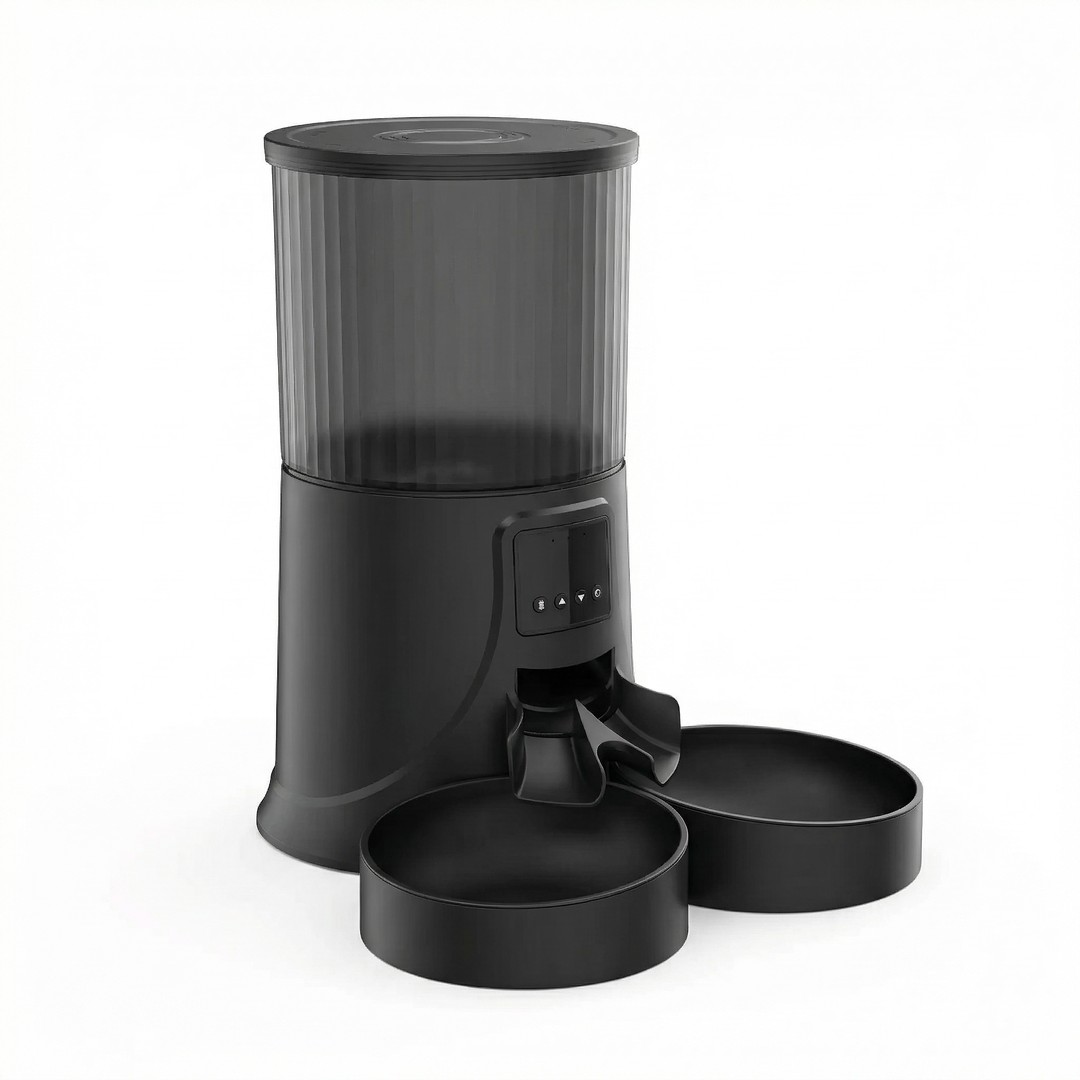
Minimum Spacing: Maintain 10 inches between multiple RFID feeders and up to 8 inches from water fountains.
Interference Risks: Placing devices too close causes delayed lid reactions, failed tag recognition, and unrecorded meals.
Environmental Factors: Metal surfaces and proximity to routers (within 15 feet) heavily impact RFID reading and Wi-Fi stability.
Acclimation Impact: Physical separation of feeders not only prevents signal disruption but also helps skittish cats adjust to mechanical noises without cross-pet anxiety.
Precise Delivery: Proper spacing of the Rfid Pet Feeder Portion not only prevents signal disruption but also helps skittish cats adjust to mechanical noises without cross-pet anxiety.
Manufacturers strictly define placement geometry for smart feeding stations. You must leave at least 10 inches (25 cm) between two or more units. This distance acts as a physical buffer. It prevents invisible radio waves from colliding. Overlapping waves confuse the internal microprocessors.
Smart water fountains introduce another variable into the ecosystem. Water pumps emit their own electromagnetic frequencies. You must maintain 5.9 to 8 inches of clearance between feeders and hydration stations. Ignoring this rule degrades the performance of both devices. Water fountains might fail to log drinking habits. Feeders might fail to open.
Understanding the communication protocol helps clarify these rules. The proprietary collar tags weigh a mere 4.2 grams. They exchange data using short-range infrared and radio frequency fields. Each feeder projects an invisible signal bubble. When these bubbles overlap, the system struggles to identify the correct tag. The receiver cannot determine which cat stands nearby.
Crowded placement triggers specific diagnostic symptoms. You will notice immediate behavioral flaws. Lids close sluggishly after a pet walks away. Mobile apps display an "unknown status" error message. Worse, valid tags fail to trigger the unlock mechanism entirely. These failures leave hungry pets locked out of their meals.
Best Practices for Device Placement:
Device Type | Minimum Clearance Required | Reason for Separation |
|---|---|---|
Between two feeding units | 10 inches (25 cm) | Prevents overlapping signal bubbles and tag misreads. |
Feeder to Smart Fountain | 5.9 to 8 inches | Reduces electromagnetic interference from water pumps. |
Between two water fountains | 8 inches | Ensures accurate multi-pet hydration tracking. |
Multi-pet homes usually purchase these devices for behavioral correction. They want to stop rampant food stealing. They need to manage unhealthy grazing habits. Many owners must enforce strict calorie deficits for overweight pets. A reliable barrier becomes essential.
Proper physical spacing secures the Rfid Pet Feeder Portion perfectly. It guarantees the intended cat eats the correct amount. Close placement invites aggressive behavior. A dominant cat can bully a submissive cat out of the way. If the machines sit too close, the dominant cat steals kibble before the lid closes.
Physical defenses play a major role in meal security. Side guards act as plastic shields around the bowl. They block peripheral access. When combined with spatial separation, these panels prevent "over-the-shoulder" theft. The permitted cat eats peacefully. The greedy roommate cannot sneak bites from the side.
We often see owners place units against a flat wall. This forces a single point of entry. It maximizes the effectiveness of the side guards. Felines feel safer when their back is secure. This setup reduces mealtime anxiety significantly. It ensures portion control strategies actually work.
Physical surfaces directly impact radio frequency validation. Metal acts as a severe disruptor. Placing units on stainless steel tables causes signal reflection. The scanner fails to read the collar. Floor heating vents create similar magnetic interference. You must choose neutral, non-metallic flooring.
Connectivity constraints also dictate placement. Smart units rely on stable wireless networks. Routers need to sit in the same room. The manufacturer recommends a maximum distance of 15 feet. Most units require 2.4GHz bands. Some newer models support 5GHz. You must check your router configuration. Also, remember power limitations. Battery-only mode suspends Wi-Fi logging. It preserves energy but stops data syncing.
Cat acclimation presents the largest user risk. Felines fear unfamiliar motor noises. Moving lids terrify skittish cats. They will refuse to eat. You cannot force them to accept the machine overnight. A structured approach guarantees success.
Follow this 3-step desensitization framework:
Use the "Lid Open" mode initially. Disable the moving parts through the mobile application. Let the cat eat from a stationary, open bowl for several days.
Swap the tag to a familiar collar. Cats reject stiff, new materials. Attach the 4.2g tracker to their well-worn, comfortable collar. This removes sensory overload.
Utilize custom voice recordings. Record a cheerful mealtime call. The machine plays this audio before dispensing. This creates a Pavlovian response. The promise of food outcompetes their fear of the motor.
Common Mistake: Owners often activate the lid mechanism on day one. This sudden mechanical noise creates lasting trauma. It extends the training period by weeks.
Medical needs elevate the stakes of feeding setups. One cat might need expensive low-iodine thyroid food. The healthy cat eats standard maintenance kibble. Eating the wrong formula causes severe health crises. You cannot afford mistakes.
Zero-tolerance environments require extreme measures. You should abandon the basic 10-inch rule. Physical separation across entirely different rooms provides ultimate safety. It removes temptation completely. The healthy cat never smells the prescription diet. This spatial isolation guarantees medical compliance.
Accurate placement ensures flawless data tracking. App logs serve as a vital veterinary asset. Uninterrupted reads provide exact frequency metrics. They track meal duration down to the minute. You can show your veterinarian precise eating patterns. Changes in appetite often signal underlying illness early.
Consider the following diagnostic chart. It represents clean data generated by an optimized Rfid Pet Feeder Portion setup:
Pet Profile | Diet Type | Daily Visits | Total Eating Time |
|---|---|---|---|
Cat A (Senior) | Renal Support (Prescription) | 9 times | 16 minutes |
Cat B (Adult) | Weight Management | 4 times | 8 minutes |
This level of detail empowers your vet. They can adjust dosages based on actual consumption. Poor placement corrupts this data. Missed scans register as missed meals. False logs lead to incorrect medical advice.
Multi-unit bundles require a significant upfront investment. However, buyers easily justify this hardware cost. Healthy cats eating expensive prescription diets waste money. A specialized bag of food costs a premium. Stopping food theft pays for the hardware quickly. The financial return becomes obvious within months.
Ongoing maintenance impacts the total cost of ownership. You must perform regular software upkeep for your Rfid Pet Feeder Portion. Upgrading firmware improves device stability. Recent versions successfully decouple blockage alerts from actual dispensing. The machine attempts to serve food even if a minor jam registers. You also need to replace D-cell backup batteries annually. Dead batteries during a power outage lead to missed meals.
Kibble size limitations restrict your food choices. The internal rotor accepts dry food between 2mm and 15mm. Larger pieces trigger a "rotor stuck" error. The motor halts to prevent damage. You must factor your current food brand into the purchasing decision. Buying incompatible food renders the hardware useless.
Routine Maintenance Checklist:
Wipe the infrared sensor weekly to prevent dust buildup.
Check the mobile app for outstanding firmware updates monthly.
Inspect the silicone rotor for wear and tear every six months.
Verify backup battery charge levels before leaving for vacations.
Before purchasing a multi-unit bundle, conduct a thorough space audit. You must evaluate your home environment objectively. Failing to plan leads to immediate return shipments.
Use this evaluation checklist:
Do I have non-metal floor space? You need flat, neutral ground. Ensure you can maintain the strict 10 inches of separation. Avoid placing them near large metal appliances like refrigerators.
Will my cats tolerate collars? These devices lack microchip support. They strictly require the proprietary tags. If your cat violently removes collars, this system will fail.
Is my router close enough? The devices need strong Wi-Fi signals. The router should sit within 15 feet. Confirm your network broadcasts a compatible 2.4GHz signal for seamless data logging.
Your next steps involve physical measurements. Grab a tape measure. Outline the intended feeding zones. Verify your dry food sizes against the 15mm limit. Confirming these details upfront guarantees a smooth deployment.
Technology cannot override physics. The success of an automated feeding ecosystem hinges entirely on proper placement. You must maintain at least 10 inches of spatial clearance between units. Furthermore, a thoughtful acclimation period prevents feline anxiety and ensures long-term adoption.
For buyers managing medical diets or severe weight discrepancies, this system shines. The physical footprint remains a minor trade-off. In exchange, you gain verified, data-backed meal isolation.
Actionable Next Steps:
Measure your desired feeding area to ensure a 10-inch gap exists.
Verify your cat's current food kibble size falls between 2mm and 15mm.
Plan a three-step training routine before unboxing the hardware.
Check your home's Wi-Fi signal strength in the chosen feeding room.
A: No. You must maintain a minimum of 10 inches between devices. Placing them closer causes signal crossing. This interference leads to delayed lid responses and failed tag recognition.
A: No. These specific devices do not support internal microchips. They require the manufacturer's proprietary lightweight collar tags to unlock the bowl.
A: The feeder continues to function normally. It will still read the assigned tag and dispense food on schedule. However, the mobile app will not update feeding logs until the connection is restored.
A: Yes. Smart fountains generate electromagnetic fields. You should keep them at least 8 inches apart from each other. They must also remain away from the feeders to prevent data logging errors.


