
English 


Views: 0 Author: Site Editor Publish Time: 2026-09-28 Origin: Site


The operating table stands as the literal and functional center of any veterinary surgical suite. It directly impacts surgical outcomes, patient safety, and veterinarian stamina. Buying a new table is not just a basic clinical necessity. You are making a long-term capital investment. This decision heavily affects daily clinic workflow. It influences staff retention through better ergonomic support. It also dictates the spatial efficiency of your facility.
Many clinic owners simply browse catalogs and pick a standard model. We need a deeper evaluation framework to move beyond basic brochures. You will learn how to select equipment perfectly tailored to your specific caseloads. We will explore operational setups, lift mechanisms, and crucial material grades. Finally, you will discover vital setup considerations to ensure a seamless clinic upgrade. A well-chosen table transforms your surgical environment completely.
Ergonomics drive ROI: Investing in an adjustable or elevated pet operating table significantly reduces veterinarian postural fatigue during prolonged procedures.
Match surface to specialty: V-top tables offer superior positioning for complex abdominal or orthopedic cases, while flat tops serve high-volume, routine soft tissue work.
Material matters most: True longevity and infection control require specific grades of stainless steel (e.g., Type 304) and seamless fluid management systems.
Lifecycle costs over upfront price: Factoring in hydraulic/electric maintenance, financing eligibility, and warranty terms provides a more accurate cost analysis.
You must establish baseline physical requirements based on treated animal demographics. Differentiate between clinics needing standard 250-pound capacities and those requiring heavy-duty bariatric support. A feline-only practice has vastly different hardware needs than a mixed-animal hospital treating large dog breeds. You should evaluate average patient weight over the past calendar year. This data ensures your chosen lift motor or hydraulic pump never strains under normal daily use. Undersized tables fail quickly and present major safety hazards to staff.
Correlate your typical surgery types directly to specific table requirements. High-volume spay and neuter clinics demand rapid patient turnover. They require incredibly easy-to-clean surfaces to maintain pace. Conversely, specialty orthopedic centers need precision patient positioning tools. They also rely heavily on integrated heating elements for long procedures. Routine soft-tissue surgeries usually move quickly. Complex spinal operations require absolute, unwavering immobilization. Your primary medical specialty must dictate your ideal tabletop configuration. Never compromise clinical capability for a generic design.
Map out your surgical suite footprint very carefully. A table looks much smaller in a catalog than in your actual room. Use masking tape on your floor to visualize the exact dimensions. Note the specific clearance requirements for bulky anesthesia machines. Account for overhead surgical lighting arcs. Ensure the surgical team has unhindered mobility around the entire table base. Cramped spaces increase sterile field contamination risks. Measure all doorway widths and elevator capacities before ordering any heavy equipment.
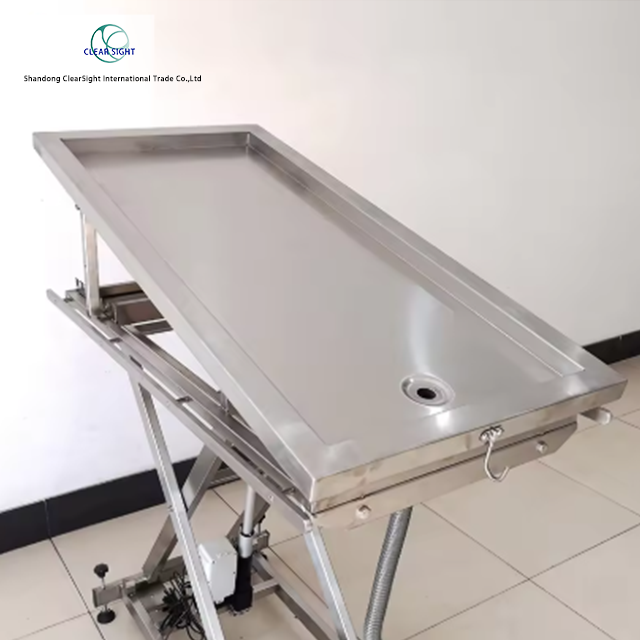
Fixed-height tables present severe limitations in modern multi-vet practices. Staff members vary significantly in height and arm span. A static table forces taller surgeons to hunch forward uncomfortably. It forces shorter surgeons to overreach continually. This discrepancy leads to chronic lower back strain. Ergonomics play a massive role in veterinary career longevity. You cannot afford to ignore postural fatigue during long operations. Adjustable height mechanisms solve this fundamental biomechanical problem instantly.
Electric columns offer smooth, hands-free operation via simple foot pedals. They require grounded power outlets in very close proximity. Hydraulic pumps provide traditional, rugged durability. They operate entirely without electricity but require occasional fluid maintenance. Consider your specific clinic layout carefully. Do you have specialized floor outlets? If not, a hydraulic unit prevents dangerous tripping hazards over loose power cords. Electric models provide smoother micro-adjustments during delicate surgeries.
We must frame the Elevated Pet Operating Table as a vital risk-mitigation tool. It actively protects against staff musculoskeletal injuries. Chronic pain remains a heavily documented issue in veterinary medicine. Properly adjusted heights keep the surgeon's wrists neutral. This simple adjustment extends their stamina during grueling, multi-hour procedures.
Maximum extended height tests a table's true structural engineering. Heavy patients shift unexpectedly during anesthesia recovery. A narrow or poorly weighted base will wobble under dynamic loads. This compromises patient safety instantly. Highlight the absolute importance of a wide footprint. A heavily weighted base prevents accidental tipping. Ensure the chassis remains completely rigid when fully extended upward. Do not accept any lateral sway during your vendor demonstrations.
Flat-top tables excel in generalized daily use. They handle minor procedures and exams efficiently. They offer incredibly easy and rapid sanitization between patients. V-top tables are absolutely critical for deep abdominal surgeries. They stabilize patients perfectly during complex spinal or orthopedic procedures. However, V-tops require much more rigorous cleaning protocols. The center hinges and adjustable troughs easily trap organic material. You must train staff on proper V-top sanitation methods.
Feature | Flat-Top Surface | V-Top Surface |
|---|---|---|
Primary Use Case | Routine surgeries, spay/neuter, minor exams | Deep abdominal, orthopedic, spinal surgeries |
Patient Positioning | Basic lateral or dorsal recumbency | Precise, adjustable cradle positioning |
Cleaning Difficulty | Low (Seamless, quick wipe-down) | High (Hinges and troughs trap fluids) |
Fluid Management | Perimeter channel drainage | Central integrated drainage trough |
Patient thermal regulation is a strict clinical necessity. It prevents perioperative hypothermia, especially in small breeds and felines. Anesthesia disrupts a patient's natural thermoregulation rapidly. Heated tables mitigate this dangerous risk effectively. However, you face a technical trade-off. Heated units demand stricter electrical safety compliance. They also require careful, regular temperature calibration. Uncalibrated heating mats can cause severe thermal burns. Always select models featuring redundant safety thermostats.
You need extremely high-grade stainless steel for surgical environments. Look specifically for Type 304 or Type 316 classifications. These premium grades resist long-term corrosion from harsh chemical disinfectants. Emphasize seamless robotic welding in your equipment selection. Integrated fluid drainage troughs prevent cross-contamination between surgeries. Poorly welded seams inevitably harbor dangerous bacteria over time. You must prioritize absolute sterility to protect your patients from post-operative infections.
Assess your surgical suite thoroughly for necessary facility retrofitting. Installing an electric model often requires immediate electrical updates. You must safely route new floor outlets directly under the table base. Long extension cords create unacceptable trip hazards for moving staff. You also need to plan direct plumbing routes. Advanced drainage systems require proper tie-ins to clinic waste lines. Do not overlook these hidden infrastructure requirements.
You must choose between total mobility and permanent permanence for your suite.
Stationary Pedestals: Heavy bolted bases offer absolute maximum rigidity. They stay firmly anchored during complex orthopedic operations involving heavy force.
Caster-Equipped Models: Heavy-duty casters allow relatively easy movement. You can pull the table out into the hallway for deep suite cleaning.
Locking Mechanisms: Mobile units require specialized industrial-grade locks. The table cannot shift even a single millimeter during delicate microsurgery.
Logistical physical hurdles often delay crucial table installations. You must check absolute weight limits on clinic elevators. Measure every single doorway along the delivery path carefully. Tight hallway corners often restrict large wooden shipping crates. Determine early if you need specialized installation technicians. Many premium manufacturers require professional, documented setup to validate their equipment warranties. Do not risk voiding an expensive warranty through amateur DIY assembly.
Frame this major purchase directly through a smart financial lens. High-value clinical equipment improves your diagnostic and surgical capabilities. It also frequently qualifies for specialized medical equipment financing programs. Explore specific tax deductions like Section 179 in the tax code. Depending on your local tax laws, you can often write off the entire purchase price immediately. This strategy improves clinic cash flow significantly. Consult your certified accountant to maximize these benefits. You keep working capital free for emergency clinic needs while upgrading your surgical suite.
Advise strictly against vendors lacking verified parts availability. A broken table stuck in the "down" position halts surgical revenue instantly. Look for highly robust Service Level Agreements (SLAs). You need a strict minimum three to five-year warranty on electronic actuators and hydraulic pumps. Ask prospective vendors about their average regional repair response times. Can they overnight replacement foot pedals? Do they have authorized local technicians available? These demanding questions save you thousands of dollars in lost surgical hours later.
The right operating table absolutely transforms your veterinary surgical suite. It perfectly balances delicate clinical precision with vital ergonomic support. Proper equipment yields a highly verifiable return on investment over its lifespan. It actively protects your dedicated surgical team from career-ending injuries. It keeps vulnerable patients significantly safer under anesthesia. You must prioritize exceptional material quality and highly reliable lift mechanics above mere aesthetics.
Take immediate, practical action today. Measure your exact surgical suite footprint using physical tape. Audit your current specific case types to determine true weight capacity needs. Request detailed spec sheets from shortlisted table manufacturers. Ask for virtual video demonstrations of their proprietary locking mechanisms and fluid drains. A meticulously researched decision fundamentally elevates your entire veterinary practice.
A: Most standard veterinary units comfortably support 250 to 300 pounds. Heavy-duty bariatric models can easily handle up to 400 pounds. Always verify the active lifting capacity, not just the static holding weight limit. A premium Elevated Pet Operating Table will lift heavy mastiff breeds smoothly without motor strain or dangerous hydraulic drift.
A: Electric lifting columns are generally maintenance-free. However, they remain highly vulnerable to sudden clinic power surges. Always use hospital-grade surge protectors. Hydraulic pumps require routine annual fluid level checks. You must also inspect the rubber seals yearly. This basic maintenance prevents the table from slowly drifting downward under a heavy patient's weight.
A: Yes, they are significantly harder to sanitize properly. The center hinges, central fluid troughs, and adjustable side panels create numerous small crevices. Buyers must strictly ensure their chosen model features easily removable panels. Specialized pull-out drain buckets are also absolutely necessary to maintain strict clinic sanitation protocols.
A: This is rarely accomplished with true medical-grade efficacy. We highly recommend purchasing integrated heating systems upfront. Aftermarket heating pads frequently interfere with built-in fluid drainage channels. They can also introduce severe electrical grounding hazards into the wet surgical suite. Factory-integrated systems provide much safer, precisely calibrated thermal regulation.


