
English 


Views: 0 Author: Site Editor Publish Time: 2026-05-19 Origin: Site


Packing your bags for a weekend getaway often triggers immediate pet parent guilt. You wonder if leaving your feline friend unattended causes unnecessary anxiety. Practical fears also creep into your mind. What if the food bowl empties too soon? Veterinarians and animal behaviorists share a strict baseline consensus regarding these absences. You can safely leave a healthy adult cat alone for exactly 48 hours. This two-day window represents the absolute upper limit for unmonitored safety. Beyond this timeframe, risks escalate rapidly. Modern technology certainly makes these weekend trips possible. However, success relies entirely on hardware reliability. Simply setting a digital timer is incredibly risky. True peace of mind demands robust physical redundancies. You need systems capable of verifying their own performance. In this guide, we explore the critical medical reasons behind the 48-hour rule. You will understand why basic timers fail the weekend test. Finally, you will receive a concrete implementation checklist for completely stress-free departures.
The 48-Hour Rule: 2 days is safe for adult cats; anything longer requires a human check-in due to water spoilage and litter box sanitation.
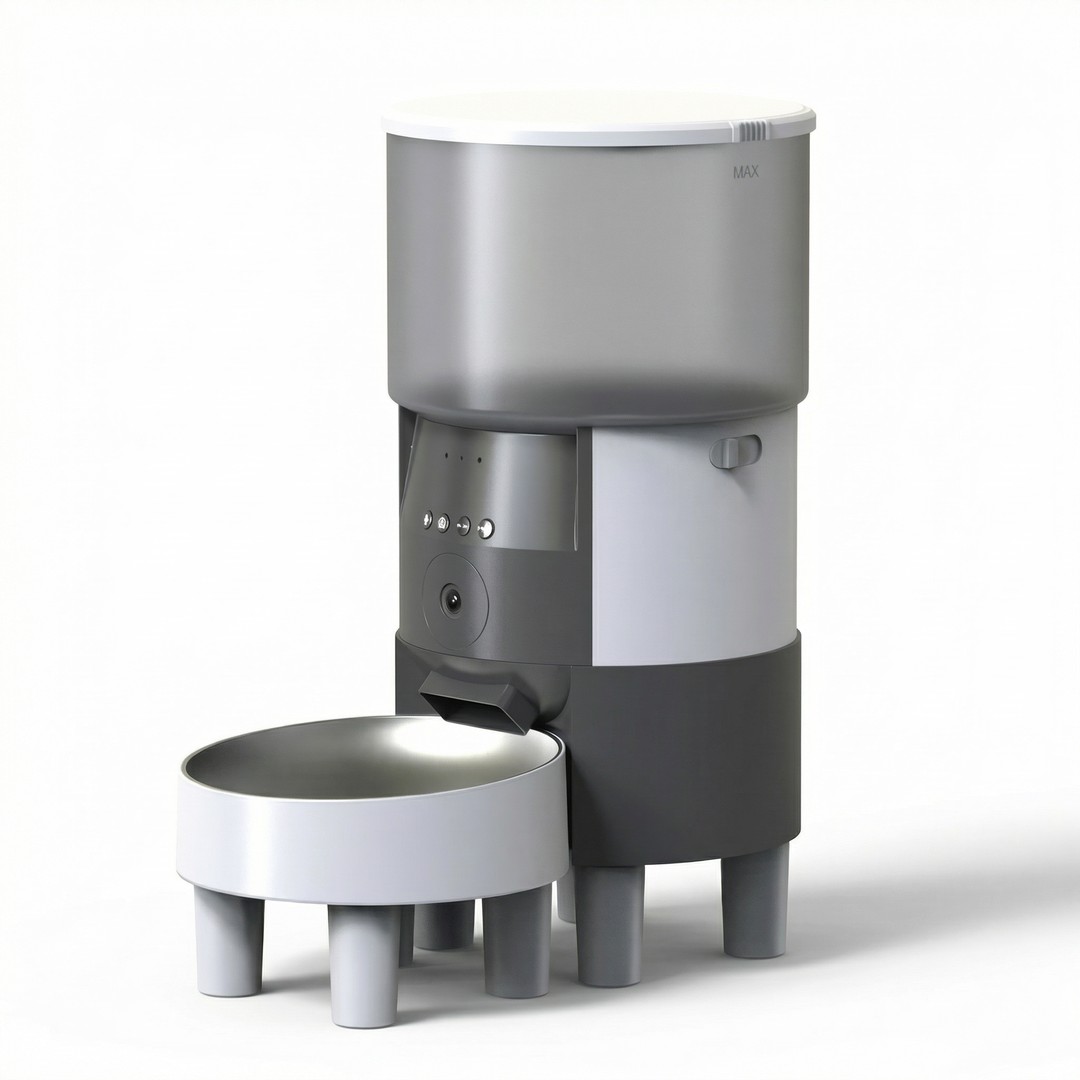
Trust Requires Verification: A basic timer is a liability. Utilizing a Pet Feeder with Camera Dual Power Supply is the minimum viable setup for leaving a cat unattended.
Redundancy is Mandatory: Hardware can fail. Safe absences require battery backups, secondary water sources, and pre-trip testing.
Medical Realities: Cats cannot safely fast. Hardware jams leading to 48+ hours without food risk life-threatening Hepatic Lipidosis (fatty liver disease).
You must clearly distinguish between surviving and thriving. Your goal extends beyond keeping your pet alive over the weekend. You must actively prevent separation anxiety. You must actively avoid silent medical emergencies. Many owners mistakenly believe felines are entirely self-sufficient. This dangerous assumption leads to poor trip planning.
Why is two days the absolute medical cutoff? Medical deadlines approach rapidly for unattended pets. Wet food spoils completely in just two hours at room temperature. Water bowls become heavily contaminated by day three. Dust and bacteria accumulate quickly on stagnant water surfaces. Most importantly, felines cannot safely fast. Going without food for three consecutive days causes rapid organ failure. This severe metabolic condition is known as Hepatic Lipidosis. Fat cells aggressively flood the liver during starvation periods. Overweight felines face a significantly higher risk of experiencing this fatal condition.
Behavioral realities matter immensely during your absence. Cats rely heavily on your daily schedule for emotional security. A sudden lack of human routine causes immense psychological stress. Automated systems must step up here. They need to replicate your typical presence perfectly. Experts highly recommend the "Five-a-Day" approach. Dispensing frequent small meals mimics a natural hunting cadence. It minimizes routine disruption entirely. This scheduled pacing keeps your pet calm and biologically satisfied.
Basic timers often create a false sense of security. Let us thoroughly examine standard solution categories. First, consider gravity feeders. These plastic silos offer zero portion control. Your pet might gorge-eat everything on Friday night. They will subsequently face empty bowls by Saturday afternoon. Next, look at basic Wi-Fi feeders. These cheap devices remain highly vulnerable. Router drops disconnect them from their dispensing schedules immediately. Minor grid power outages render them entirely useless.
The "glitch out" risk is remarkably real. Community forums frequently highlight mechanical disasters. Motorized dispensers easily clog due to irregular kibble shapes. If a basic feeder jams on Friday evening, starvation begins. Your pet receives zero calories until Sunday night. You cannot accept this level of risk.
Multi-cat households face another distinct variable. Felines frequently practice "resource guarding." A dominant cat might physically block the feeding station. A submissive cat will retreat quietly to avoid conflict. A single basic feeder often leaves the submissive pet completely hungry. Smart hardware must address these social dynamics directly.
Device Category | Portion Control | Power Redundancy | Jam Risk Level | Weekend Viability |
|---|---|---|---|---|
Standard Gravity Feeder | None (Free feeding) | N/A (Analog) | Low | Fail |
Basic Wi-Fi Timer | Yes | No (Wall plug only) | High | Fail |
Smart Camera Feeder | Yes | Yes (Battery backup) | Low (Auto-reversal) | Pass |
You must evaluate hardware based on clear outcomes. The bare minimum requires highly specific features. Look strictly at dual power supply options. A premium Pet Feeder with Camera Dual Power Supply provides essential redundancy. It uses a standard wall-plug as the primary energy source. It relies on internal batteries during sudden emergencies. This dual design ensures flawless schedule execution. Even if your neighborhood loses power, your pet eats on time.
Integrated cameras provide crucial visual verification. Camera lenses eliminate blind trust in cheap hardware. You can visually verify dropped kibble quantities from your smartphone. You can safely confirm the dispensing bowl is not jammed. Most importantly, you watch your cat actually eat the meal. This monitors for any stress-induced loss of appetite. Visual confirmation reduces your travel anxiety significantly.
Anti-jam mechanisms are equally vital for weekend survival. Premium units feature wide-angle dispensing chutes. Advanced rotor auto-reversals help break up stubborn kibble clogs automatically. If resistance occurs, the motor spins backward momentarily.
Our shortlisting logic remains incredibly strict. Does a device lack live visual verification? Does it lack offline battery backup capabilities? If so, disqualify it immediately. You cannot use it for 48-hour unattended trips.
Let us closely examine the total cost of ownership. Hiring a professional pet sitter represents an ongoing operational expense. You might easily pay $20 to $30 per drop-in visit. A standard full weekend requires at least two visits. This easily costs $40 to $60 every single time you leave town. Travel expenses compound rapidly over a single year.
Now consider the capital expense of smart hardware. Buying a Pet Feeder with Camera Dual Power Supply requires an upfront investment. However, the financial break-even point arrives surprisingly fast. A high-end automated feeder pays for itself within two or three weekend trips. This durable equipment delivers an excellent return on investment.
Consider a hybrid care approach for longer absences. Sometimes you take vacations lasting three or more days. Owning reliable automated hardware remains highly beneficial here. It drastically reduces your required pet sitter visits. You can shift from twice-daily professional drop-ins to once-daily visits. The machine handles the morning meal flawlessly. The sitter provides evening socialization and litter scooping. This modern strategy permanently halves your long-term pet care costs.
Implementation requires careful rollout strategies. Never unbox a brand new feeder on Friday afternoon and immediately leave. You must conduct a strict one-week trial run. Follow these numbered steps to ensure behavioral acclimation:
Initial Setup: Place the new machine next to the old food bowl.
Audio Acclimation: Trigger manual feeds while standing nearby to normalize motor sounds.
Routine Testing: Operate the device strictly for seven to fourteen days while home.
Quirk Identification: Monitor for any Wi-Fi dropouts or minor kibble jams.
Water redundancy is extremely critical for survival. Felines dehydrate incredibly fast. Ensure sufficient water provisions before locking the door. One day requires approximately eight ounces of fresh water. For a two-day trip, provide a heavy anti-tip ceramic fountain. Add two backup gravity bowls in completely different rooms. This prevents a single tipped bowl from causing total dehydration.
Duration | Number of Cats | Required Water Volume | Recommended Physical Setup |
|---|---|---|---|
24 Hours | 1 Cat | 8 oz (approx. 1 standard bowl) | 1 Auto-Fountain + 1 Backup Bowl |
48 Hours | 1 Cat | 16 oz minimum | 1 Heavy Fountain + 2 Backup Bowls |
48 Hours | 2 Cats | 32 oz minimum | 2 Heavy Fountains + 2 Backup Bowls |
Litter protocol demands careful planning. A dirty box causes immense stress. Follow the proven "N+1 Rule" strictly. You need one permanent box per cat plus one extra. Deploy an extra temporary cardboard box for a two-day trip. This provides ample clean digging space. It actively prevents frustrating revenge peeing on your living room rug.
Finally, ensure complete environmental safety. Your home must become a secure vault. Review this quick environmental checklist before departing:
Close all windows securely to prevent escape attempts.
Block access to any toxic houseplants.
Remove fragile items from high shelving units.
Leave a small lamp or radio plugged into a smart timer.
Ensure interior doors are propped open using heavy doorstops.
You absolutely can leave a healthy adult cat alone for two days. However, blind faith in cheap technology remains a severe hazard. The 48-hour threshold is a firm biological boundary. Surviving a weekend requires meticulous preparation. You must respect the medical realities of feline digestion and hydration.
Your next steps are clear and actionable. Upgrade your home setup immediately. Investing in a Pet Feeder with Camera Dual Power Supply allows you to implement extensive physical redundancies for feeding. Execute a comprehensive trial run before packing your suitcase. By following these strict guidelines, you eliminate travel guilt entirely. You can finally enjoy your weekend getaway experiencing verifiable peace of mind.
A: No. Wet food spoils rapidly at room temperature within one to two hours. Even premium feeders utilizing integrated ice packs only buy 12 to 24 hours maximum. Weekend trips strictly require dry kibble to prevent severe bacterial infections and food poisoning.
A: If you use a Pet Feeder with Camera Dual Power Supply, the offline schedule saves directly to the device's local memory. It will reliably dispense kibble on battery power. However, your remote smartphone camera feeds will remain temporarily unavailable until internet connectivity restores.
A: Absolutely not. While hardware can technically dispense kibble for a week, water goes stale quickly. Unscooped litter boxes become severe health hazards causing urinary tract infections. Prolonged isolation causes severe behavioral distress. Trips lasting beyond three days require mandatory human intervention.


