
English 


Views: 0 Author: Site Editor Publish Time: 2026-11-03 Origin: Site


Picture this. It is 2 AM. Your dog just sliced their paw on a piece of broken glass in the kitchen. Panic sets in immediately. You frantically dig through a cluttered bathroom drawer. You scramble for medical supplies while precious seconds tick away. Mixing pet and human drugs in the same chaotic space is highly inefficient. Worse, it is incredibly dangerous. It risks accidental poisoning, delays critical care, and heightens the stress of an already overwhelming situation.
Upgrading from a flimsy cardboard box or a disorganized vanity drawer to a proper storage unit is a fundamental step in responsible pet ownership. In this comprehensive guide, you will learn exactly how a dedicated veterinary organizer saves lives. We will break down what supplies you actually need and explain why investing in professional-grade storage is an absolute necessity.
Preparation Saves Lives: Having a fully stocked and strategically organized storage system ensures you are instantly ready. You can handle minor household accidents and major veterinary emergencies without hesitation.
Separation is Crucial: Never mix human and pet medications. A dedicated unit prevents fatal mix-ups and accidental ingestion by curious animals.
Environment Matters: Proper storage protocols maintain the clinical efficacy of sensitive veterinary drugs. This includes strict temperature, humidity, and light control.
The Right Equipment: Choosing a durable, well-compartmentalized unit makes organization seamless. It also keeps dangerous supplies strictly out of reach.
Recent veterinary industry analyses reveal a massive structural shift in at-home pet care. Emergency clinic costs are rising steadily. Consequently, pet parents are moving away from makeshift containers and investing heavily in clinical-grade home setups. Market data highlights a surging demand for specialized medical organizers. This trend reflects a growing, widespread awareness of medication stability, infection control, and strict safety protocols. Modern pet owners now treat home first-aid with the exact same rigor as human medical preparedness. To align with these modern clinical standards, utilizing a proper Pet Medical Storage Cabinet ensures your supplies remain uncontaminated and ready for immediate deployment.
Veterinary surgeons frequently encounter severe emergencies. Many of these crises could have been entirely mitigated with better home organization. Transitioning to a purpose-built storage solution is not merely an aesthetic choice. It is a critical safety intervention.
Pets explore their environment with their mouths. This is especially true for chew-happy puppies and highly curious cats. Standard medication bottles are rarely pet-proof. A determined dog can easily breach a low drawer and chew through a plastic vial of prescription medication. The result is often a life-threatening toxicity emergency. A secure, dedicated cabinet acts as an impenetrable physical barrier. By elevating your storage and utilizing secure latches, you effectively eliminate the risk of opportunistic ingestion. You are actively protecting your furry companions from their own curiosity.
Veterinary emergency rooms frequently treat pets suffering from accidental human medication ingestion. Owners sometimes store their own ibuprofen or acetaminophen right next to their dog’s carprofen. When this happens, the risk of a fatal mix-up increases exponentially. Canines and felines severely lack the specific liver enzymes required to metabolize many human over-the-counter drugs. Creating a strict physical boundary is essential. It ensures that when you reach for a pill in the dark or during a highly stressful moment, you are only accessing veterinary-approved treatments.
During a crisis, seconds dictate the outcome. Whether dealing with a severe laceration, a choking incident, or a sudden allergic reaction, time is your most valuable asset. The immense cognitive load during an emergency makes it nearly impossible to remember where scattered supplies are hidden. A centralized cabinet ensures all first-aid items reside in one predictable, easily accessible location. This spatial predictability empowers pet owners. You can initiate stabilizing first aid immediately before transporting the animal to a veterinary clinic.
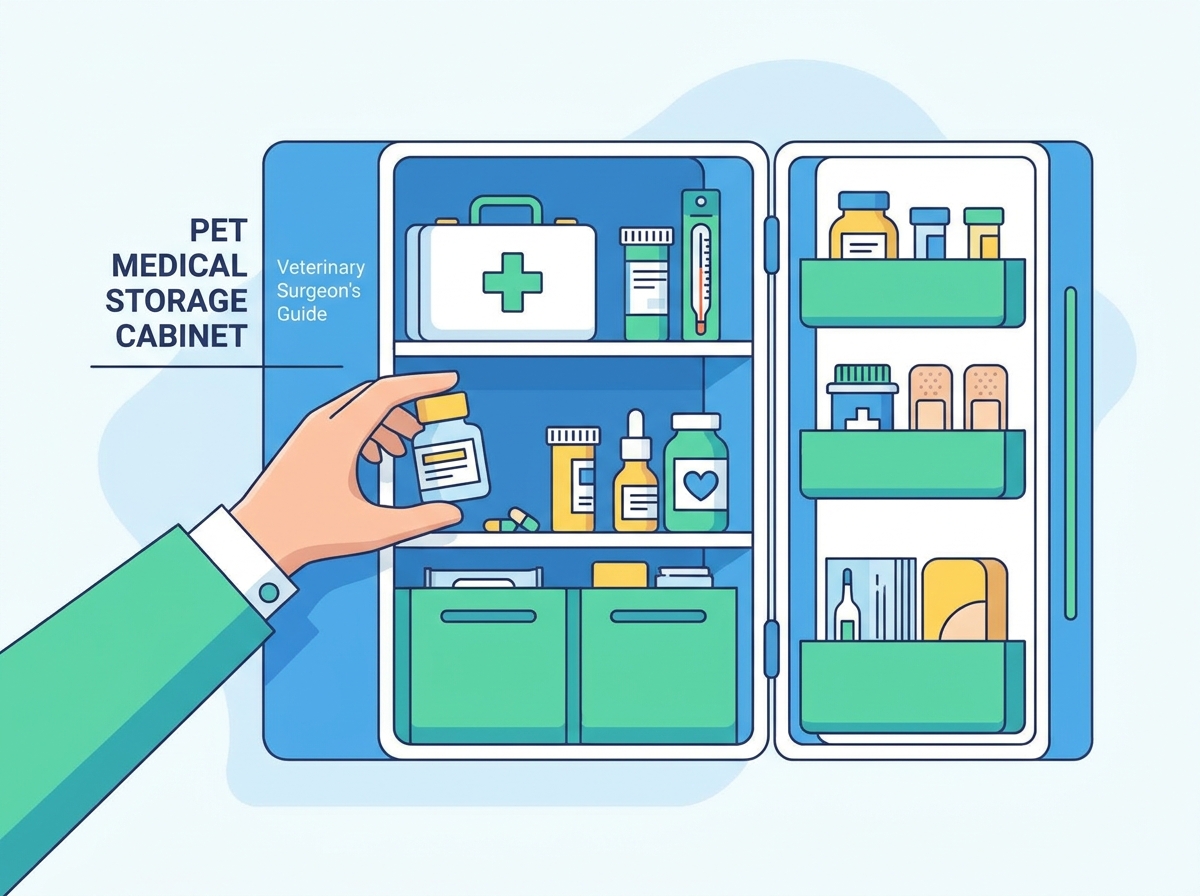
A well-stocked container bridges the vital gap between an injury occurring and professional veterinary intervention. Below is a comprehensive, vet-approved checklist. We have categorized these items for logical organization.
Category | Essential Items | Primary Veterinary Purpose |
|---|---|---|
Emergency First Aid | Gauze, non-stick bandages, cohesive wrap, digital thermometer, blunt scissors. | Stabilizing bleeding, protecting wounds, and monitoring baseline vitals. |
Wound Care | Chlorhexidine wipes, antimicrobial spray, saline eye wash, styptic powder. | Disinfecting abrasions, flushing debris from eyes, and stopping nail bleeds. |
Digestive & Routine | Probiotics, anti-diarrheal meds, flea/tick preventatives, prescriptions. | Managing gastrointestinal upset and maintaining routine parasite control. |
Tools & Accessories | Tick twisters, pill splitters, oral syringes, emergency muzzle. | Safely removing parasites, administering precise doses, and preventing bites. |
Your trauma kit must include sterile gauze pads and non-stick bandage pads. You also need pet-safe cohesive wrap, commonly known as Vetrap. Unlike human adhesive tape, cohesive wrap adheres only to itself rather than your pet's fur. This prevents painful removal later. Blunt-nosed scissors are absolutely critical for cutting bandages without puncturing the skin. Tweezers are necessary for splinter removal. Meanwhile, a dedicated digital thermometer designed for rectal use is the only accurate way to measure a pet's core temperature.
Avoid using hydrogen peroxide entirely. It aggressively damages healthy tissue and significantly delays the healing process. Instead, stock chlorhexidine wipes and a pet-safe antimicrobial spray for minor scrapes. Saline eye wash is vital for safely flushing out environmental irritants like dust or pollen. Furthermore, styptic powder is a non-negotiable essential. Torn dewclaws or over-trimmed nails bleed profusely. Styptic powder induces rapid coagulation to halt the bleeding instantly.
Gastrointestinal distress remains one of the leading causes of unscheduled veterinary visits. Keep vet-approved probiotics and specific anti-diarrheal medications on hand. These help manage mild, uncomplicated upset stomachs at home. This specific section should also house your pet's monthly heartworm, flea, and tick preventatives. Keep them alongside any daily prescription medications for chronic conditions like osteoarthritis or hypothyroidism.
Proper administration tools guarantee medication compliance. Include tick twisters for safe parasite removal. This tool ensures the tick's head is not left embedded in the skin. Pill pockets or pill splitters make dosing accurate and entirely stress-free for both you and your pet. A plastic syringe is necessary for administering oral liquids or flushing debris from wounds. Finally, always include a properly fitted muzzle. Even the gentlest pets may lash out and bite when experiencing severe pain or panic.
The efficacy of veterinary pharmaceuticals heavily depends on environmental stability. Improper storage accelerates chemical degradation. This renders life-saving medications utterly useless or potentially harmful to your animal. Utilizing a proper ABS Pet Medical Storage Cabinet ensures your supplies remain chemically stable and ready for use.
Many pet owners mistakenly store medications in bathroom cabinets. Bathrooms experience drastic, daily fluctuations in temperature and humidity due to showers. This ambient moisture causes hydrolysis. Hydrolysis effectively breaks down the active pharmaceutical ingredients in antibiotics and vaccines. Similarly, leaving medications in a hot car destroys their delicate molecular structure. Always store your supplies in a cool, dry, and climate-controlled environment. A hallway linen closet or a high pantry shelf works perfectly.
Administering expired medication is a dangerous gamble. Over time, drugs lose their potency. This is particularly dangerous for critical medications like insulin or heartworm preventatives. A drop in efficacy here can lead to severe health consequences. Implement a strict auditing system. Check expiration dates every six months. It is highly recommended to keep a small medical logbook. Use it to track purchase dates, open dates for liquid suspensions, and upcoming expiration warnings.
Safety extends far beyond the pets. You must also consider the human children residing in the household. The storage unit must feature secure latches. These latches should require opposable thumbs and deliberate force to open. The materials must be durable enough to withstand a dog attempting to chew through the corners. It must also survive a cat knocking the unit off a high shelf.
Selecting the right container is just as important as the supplies you place inside it. When evaluating your options, prioritize clinical functionality over mere aesthetics. Investing in a specialized veterinary medical organizer transforms chaos into clinical readiness.
The material of your chosen cabinet dictates its lifespan, durability, and hygiene levels. Acrylonitrile Butadiene Styrene, commonly known as ABS plastic, stands out as the superior engineering choice. The acrylonitrile component provides excellent chemical resistance against leaking antiseptics. The butadiene component absorbs blunt force, meaning the box will not shatter into dangerous, sharp shards if dropped during a frantic emergency. The styrene gives it a smooth, entirely waterproof finish. This non-porous surface protects contents from environmental moisture and allows for rapid sanitization with standard clinical disinfectants.
Material Type | Impact Resistance | Water Resistance | Sanitization Ease | Veterinary Verdict |
|---|---|---|---|---|
ABS Plastic | High | Excellent | Very Easy | Optimal |
Fabric Bags | Low | Poor | Difficult | Not Recommended |
Acrylic | Medium | Good | Easy | Prone to shattering |
Cardboard | Zero | Zero | Impossible | Unsafe |
A single-compartment box inevitably becomes a chaotic jumble of supplies. Multi-layer, tiered designs are absolutely essential for medical organization. Small, easily lost items like pills and tick twisters must be separated from bulky bandage rolls and large bottles of saline. Tiered cantilever trays allow you to categorize items by urgency and size. This engineering drastically reduces the time spent digging for specific tools.
Emergencies do not always happen conveniently near the storage closet. If your dog is injured in the backyard, you need to bring the supplies directly to the patient. A sturdy, ergonomic handle is crucial for grab-and-go portability. Additionally, a clear or translucent cover allows pet owners to perform quick visual inventory checks. You can instantly identify when gauze or wipes are running low without having to unlatch the unit.
When a veterinary emergency occurs in your home, human cognitive load increases significantly. Panic often leads to tunnel vision. It becomes difficult to remember where you placed a specific bandage or bottle of antiseptic. This is why the spatial organization of your supplies is a critical medical intervention strategy. When you open your pet medicine storage box, a tiered organization system creates a systematic workflow. This workflow directly mimics the crash carts used in professional veterinary clinics.
Reserve the uppermost compartments exclusively for items you need on a daily or weekly basis. Keep the most time-sensitive emergency tools here as well. This prevents you from digging through bulky bandages just to find your dog’s daily joint supplement. Place daily vitamins, current prescription medications, probiotics, and pill-masking treats in this top tier. Small, frequently used tools such as pill splitters, tick twisters, and a digital thermometer should also reside here.
The deeper, lower compartments are designed for volume. Store your comprehensive first aid supplies and backup inventory here. When managing a superficial laceration or a bleeding torn nail, you will need immediate access to larger items. These simply do not fit in shallow upper trays. Store large bottles of sterile saline wash, chlorhexidine solutions, and bulky rolls of gauze at the bottom. Heavy-duty blunt-nosed scissors and backup flea preventatives belong here too. Specifically, keeping heavy liquids at the bottom lowers the center of gravity. This prevents the cabinet from tipping backward when the cantilever trays are fully expanded.
Hardware and medications are useless without the correct information. Technology fails. Cell phone batteries die, and internet connections drop. Therefore, tape a laminated emergency information card to the inside lid of your storage unit. This card must include the phone number and address of your primary veterinary clinic. Add the contact information for the nearest 24/7 emergency animal hospital. Include the number for the Animal Poison Control Center. Furthermore, record your pet’s baseline vitals. List their normal resting heart rate, respiratory rate, and baseline weight. Emergency triage staff will need this for quick reference.
Even with the best intentions, pet owners frequently make structural and logistical errors when assembling their home healthcare kits. By understanding and avoiding these common pitfalls, you ensure your setup remains a reliable asset rather than a hidden liability.
One of the most dangerous mistakes a pet owner can make is stocking their cabinet based on unverified internet advice. It is a common misconception that human first-aid supplies are universally safe for animals. In reality, many common human remedies are highly toxic to cats and dogs. Stocking human painkillers like ibuprofen or acetaminophen is incredibly dangerous. Ingestion can lead to acute renal failure in dogs and fatal methemoglobinemia in cats. Similarly, essential oils like tea tree oil can cause severe neurological toxicity. Only stock items explicitly approved by veterinary professionals.
Preparedness is an ongoing process. It is not a one-time event. Imagine reaching for styptic powder while your dog's torn nail is actively bleeding, only to find an empty jar. It was never replaced after a previous incident. Furthermore, active pharmaceutical ingredients degrade over time. Expired antibiotics lose their efficacy and contribute to bacterial resistance. Expired cohesive bandages lose their elasticity. Failing to implement a strict restocking and auditing schedule renders your supplies useless.
Repurposing a standard cardboard shoebox, a cheap plastic food container, or a fabric makeup bag is a critical error. Cardboard absorbs ambient humidity, fostering mold spores. Cheap acrylic bins will shatter into sharp shards if dropped. This creates a secondary hazard for your pet’s paws. Additionally, flimsy containers feature weak hinges. A determined dog can easily chew them open. Investing in purpose-built storage hardware is a non-negotiable step for responsible pet parents.
To effectively solve the problems of disorganization, medication degradation, and physical vulnerability, veterinary professionals strongly advocate for specialized hardware. Moving away from repurposed bathroom drawers and investing in dedicated equipment is the most effective way to elevate your home pet care standards.
The Clearsightpet ABS Pet Medical Storage Cabinet stands out as an optimal engineering solution. Constructed from premium, impact-resistant ABS plastic, it offers unparalleled durability. The unit features a sophisticated multi-tiered, cantilevered tray system. When unlatched, the internal trays smoothly expand outward up to 180 degrees. This instantly displays all your supplies simultaneously for rapid visual acquisition. It boasts a moisture-proof sealing design to block out ambient humidity. Furthermore, its secure rotary locking mechanism ensures the contents remain strictly out of reach of children and inquisitive pets.
Veterinary clinics rely on storage solutions that are robust, reliable, and easy to sanitize. This specific cabinet mimics professional veterinary storage standards. The completely non-porous ABS surface is critical for infection control. It allows the entire unit to be rapidly wiped down with clinical disinfectants without degrading the material. Its structural integrity ensures that even in the most chaotic emergency scenarios, the cabinet will protect the life-saving supplies within. It is the definitive choice for proactive pet parents.
Proper preparation requires the right storage solution. A dedicated cabinet provides ultimate peace of mind. When an emergency strikes, you are not left scrambling. Knowing exactly where your life-saving supplies are prevents panic. It allows you to administer immediate, stabilizing care. Stop using messy, disorganized drawers for sensitive veterinary medications. Upgrade your daily pet healthcare routine today. Invest in a specialized medical organizer that keeps your furry family members safe, secure, and healthy. For reliable, clinical-grade storage solutions designed specifically for pet safety, explore the purpose-built options available at Clearsightpet.
No. While there is a slight overlap in basic structural items like sterile gauze pads, relying on a human first-aid kit is highly unadvisable and potentially dangerous. Human kits frequently contain items that are toxic to companion animals. These include ointments containing neomycin or pain relievers like ibuprofen. Some human liquid bandages contain xylitol, an artificial sweetener that is lethally toxic to dogs. A human kit also completely lacks pet-specific necessities, such as tick twisters, styptic powder for torn nails, and cohesive vet wraps.
You should store your cabinet in a consistently cool, dry location that is completely out of direct sunlight. Optimal locations include a high shelf in a hallway linen closet, a dedicated space in a temperature-controlled pantry, or a secure upper cabinet in a laundry room. You must strictly avoid storing medications in the bathroom. Daily showers cause extreme fluctuations in both temperature and humidity, which degrade medications rapidly.
Veterinary surgeons recommend conducting a comprehensive audit of your storage unit every six months. During this biannual check, you should meticulously review the expiration dates on all prescription medications, over-the-counter supplements, and topical ointments. Physically inspect your supplies. Check if wipes have dried out or if cohesive bandages have lost their elasticity. Promptly discard and replace any compromised items.
ABS plastic is recommended due to its unique engineering combination of durability, chemical resistance, and hygiene. Unlike cheap polypropylene or brittle acrylic, ABS is highly impact-resistant. It will not shatter into dangerous fragments if dropped during an emergency. It is a non-toxic, non-porous polymer. This makes it incredibly easy to wipe down and chemically sanitize after exposure to biological fluids.
Life-saving prescription medications specific to your pet’s chronic conditions are vital. However, the single most universally important item is information. An emergency contact card taped securely to the inside lid of your cabinet is indispensable. This card must display your primary veterinarian's phone number, the address of the nearest 24/7 emergency clinic, and the hotline for the Animal Poison Control Center.
Unless specifically instructed to refrigerate a medication, such as insulin or certain liquid antibiotics, most veterinary pharmaceuticals should be stored at controlled room temperature. This generally ranges between 68°F and 77°F. Always protect medications from freezing temperatures and extreme heat. Never leave your medical storage cabinet in a vehicle, as temperatures can spike to lethal levels for pharmaceutical compounds within minutes.
Never flush expired pet medications down the toilet or pour them down the drain. This introduces active pharmaceutical compounds into the local water supply. The safest disposal method is to utilize a pharmacy take-back program. Many veterinary clinics and local human pharmacies accept expired pet medications for safe incineration. If a take-back program is unavailable, mix the pills with an unappealing substance like used coffee grounds or kitty litter. Seal the mixture in a plastic bag before throwing it in the household trash.


