
English 


Views: 0 Author: Site Editor Publish Time: 2026-05-20 Origin: Site


Busy pet owners constantly wrestle with a tough dilemma. We crave daily convenience, but we also fiercely protect our pets' health and rely on dependable equipment. You want solutions saving time without compromising care. Gravity feeders tempt us with a cheap, "set it and forget it" lifestyle. You buy the plastic jug, fill the hopper, and walk away for days. Conversely, automatic dispensers demand a steeper upfront investment. They also require a bit of technical setup and regular maintenance. We often judge these tools strictly on their initial price tags.
However, evaluating these devices purely on upfront cost ignores critical factors. You must consider long-term veterinary impacts, ongoing food waste, and complex behavioral risks. This guide breaks down the true Total Cost of Ownership (TCO). We also explore the hidden health implications of different feeding methods. By analyzing the data, we help you choose the exact right system for your household.
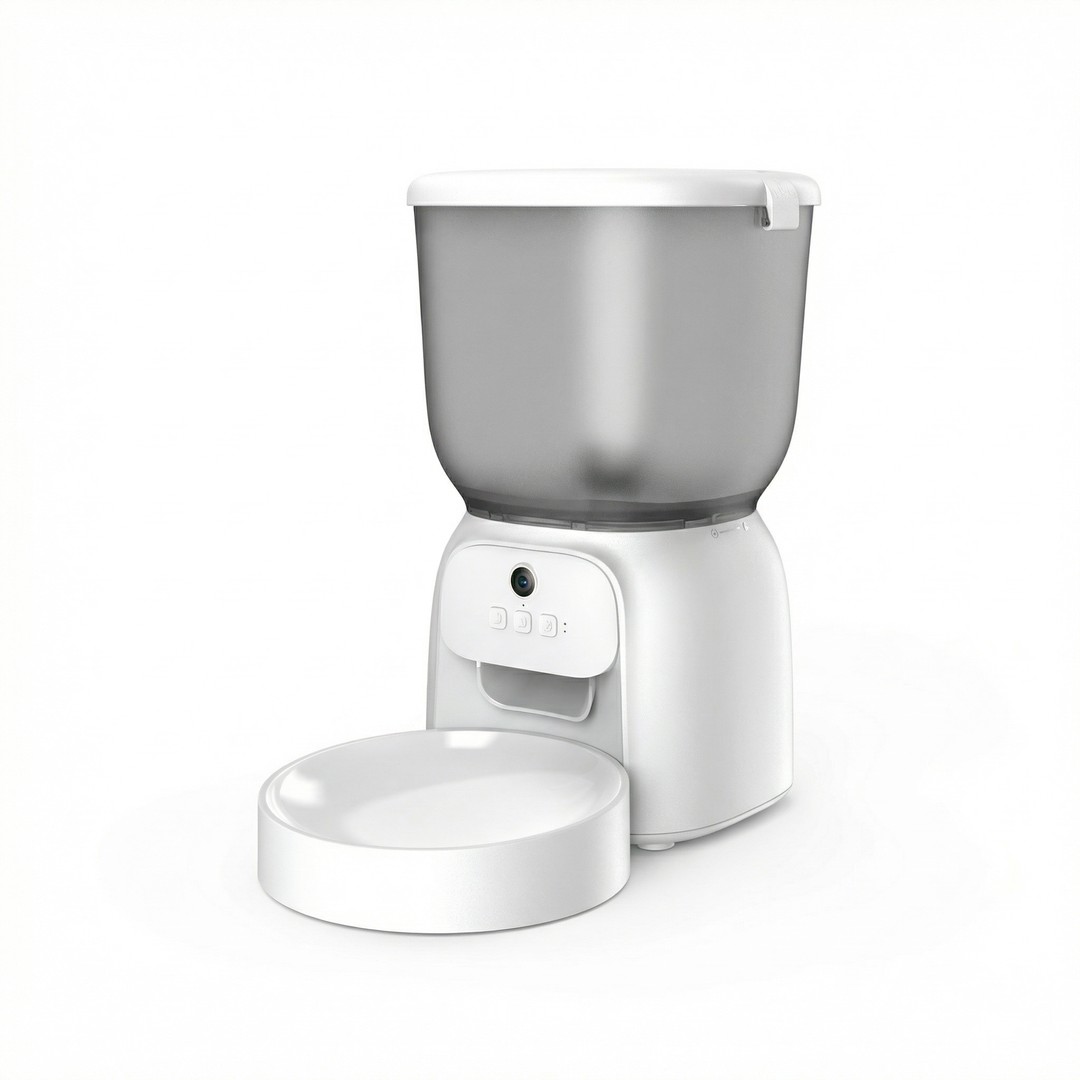
Health Tracking: Gravity feeders encourage "free-choice" feeding, which masks the earliest sign of pet illness—changes in appetite. Automatic feeders provide measurable portion control.
Cost vs. Value (ROI): The low upfront cost of a gravity feeder is frequently offset by increased food consumption, spoilage, and potential weight-related veterinary bills.
The "Backup" Reality: Gravity models excel as emergency power-outage backups or for highly self-regulating, high-metabolism pets, but fail in multi-pet or weight-management scenarios.
Tech Upgrades: Investing in a Pet Feeder with Camera Gravity Feed mechanism or a fully automated smart dispenser offers remote verification, closing the gap between convenience and responsible monitoring.
Let us strip away the clever marketing jargon. We need to understand exactly how these feeding stations operate mechanically. These two categories solve the same basic problem. However, they use entirely different mechanical methods to deliver meals.
A gravity feeder relies purely on basic physics. You fill a top hopper with dry kibble. As the bowl below empties, gravity forces more food down the chute. It requires zero electricity. It features zero programmable timers. There is absolutely no portion limit. This simple design creates a perpetual buffet for your animal. They can eat whenever they want, consuming as much as they want. You simply refill the jug when it runs dry.
Automatic systems utilize timed motors and internal carousels or rotating augers. They dispense exact food measurements at scheduled intervals. This engineering mimics a natural, predictable feeding routine. You program the machine using a digital pad or smartphone app. It drops specific portions, like a quarter cup of kibble, at exact times. You might schedule small meals at 7:00 AM, 1:00 PM, and 6:00 PM. The machine handles the rest.
Mechanical differences dictate how these units survive real-world conditions. Gravity systems boast zero electronic points of failure. They are practically indestructible against severe power outages or internet drops. You fill them, and they work flawlessly during emergencies. Automatic systems present a different reality. They rely on moving plastic parts and small motors. You must provide battery backups for power failures. You also need to perform routine cleaning. Oils and kibble dust build up inside the dispenser chute over time. Without proper maintenance, these smart devices can easily jam. A jammed feeder leaves your pet hungry while you are away at work.
We must shift our evaluation criteria immediately. Stop looking solely at daily convenience. Start looking at long-term pet health outcomes. The feeding method you choose heavily influences your pet's physical well-being. It can literally add or subtract years from their lifespan.
Gravity systems inherently encourage free-feeding. While this sounds nice, it often leads to catastrophic overeating. Many dogs and indoor cats lack natural self-regulation instincts. When they face an endless food supply, they gorge themselves out of boredom or anxiety. This rapid weight gain triggers severe health issues. Obese pets face significantly higher risks for joint degradation, osteoarthritis, feline diabetes, and heart disease. A cheap plastic feeder quickly becomes an expensive liability. It can cause a lifetime of painful, chronic illness for your animal.
This represents a critical, often ignored blind spot for pet owners. Because gravity bowls remain perpetually full, owners completely lose the ability to monitor daily intake. A pet skipping meals is the number one early indicator of severe illness. If they feel lethargic, nauseous, or feverish, they stop eating immediately. With a managed automatic system, you instantly notice leftover kibble in the measured bowl. With a gravity system, the giant hopper just stays slightly fuller than usual. This subtle change goes entirely unnoticed. You might miss the illness until the pet's physical symptoms worsen severely.
Gravity feeders expose massive amounts of kibble to open air inside the hopper. This accelerates fat oxidation. The food spoils faster and loses nutritional value. Furthermore, gravity systems are completely incompatible with wet food. You cannot leave wet meat out at room temperature for days without dangerous bacterial growth. These basic systems also fail with strict prescription diets. Veterinarians frequently prescribe specialized foods to manage urinary crystals or chronic kidney disease. These medical diets require smaller, highly controlled meals to maintain stable blood panels. You simply cannot execute a medical dietary plan using a "free-choice" gravity bowl.
Best Practice: Always store bulk dry food in an airtight container in a cool pantry. Only load what your pet will eat within a week into the feeder hopper.
Common Mistake: Never mix different kibble sizes or shapes in a single hopper. This causes fatal jams in automatic machines and disrupts flow rates in gravity units.
Let us build a conceptual framework for calculating real costs. We should view this over a standard 3-to-5-year lifespan. Total Cost of Ownership (TCO) reveals the actual financial impact of your hardware choice. The upfront sticker price tells only a fraction of the story.
Gravity units boast an incredibly low initial cost. You can easily find them in pet stores for $10 to $30. However, "hidden costs" quickly accumulate. Uncovered food grows stale or attracts household pests. You end up throwing expensive kibble in the trash. Gluttonous pets consume food much faster than physically necessary. You find yourself buying premium kibble bags more frequently. Most importantly, potential medical bills from weight gain dwarf the initial savings. Treating feline diabetes or managing canine osteoarthritis easily costs thousands of dollars over a pet's lifetime.
Smart dispensers require a much higher initial investment. Quality electronic units range from $50 to well over $150. However, you achieve your Return on Investment (ROI) over time through precise food rationing. You experience zero over-pouring. You see drastically reduced food spoilage because the internal hopper stays tightly sealed. Most critically, you practice daily preventative health management. Keeping your pet at an ideal body weight keeps veterinary bills exceptionally low.
We must acknowledge environmental limitations when calculating long-term value. Automatic feeders feature delicate motors, internal circuit boards, and optical sensors. These components can easily fail in highly humid environments. They also break down in dusty barns or rugged outdoor enclosures. Gravity feeders actually thrive in these tough conditions. They offer virtually zero mechanical failure risk regardless of weather.
Evaluation Factor | Gravity Feeder | Automatic Feeder |
|---|---|---|
Upfront Purchase Price | Very Low ($10 - $30) | Moderate to High ($50 - $150+) |
Food Waste Costs | High (Stale kibble, overeating) | Very Low (Sealed hoppers, exact portions) |
Maintenance Costs | Zero (Hand wash only) | Low (Battery replacements, minor parts) |
Veterinary Risk Costs | High (Obesity-related illnesses) | Low (Weight easily managed) |
Environmental Durability | Excellent (Works outdoors, humid areas) | Poor (Electronics fail in harsh weather) |
We now see a fascinating intersection between basic gravity mechanics and smart home technology. Manufacturers are blending these worlds to create powerful hybrid solutions. These devices offer the best of both worlds for anxious pet owners.
Traditional feeding methods leave you entirely blind. You hope the food dropped on schedule. You hope the right pet ate it. Upgrading to a Pet Feeder with Camera Gravity Feed system or a smart automatic dispenser completely solves this problem. It allows owners to visually verify their pet's daily routine. You receive a secure live video feed directly on your smartphone. You can finally watch the bowl fill. You ensure your animal actually consumed their meal without interference.
Many modern pet owners travel frequently. Others work long, unpredictable hours at the office. Leaving pets alone causes immense daily anxiety. A professional Pet Feeder with Camera Gravity Feed provides immediate visual confirmation of their well-being. You can log in and see that the internal mechanism hasn't jammed and confirm the main hopper isn't running empty. This visual reassurance fundamentally transforms how we care for our companions from afar.
What happens when you have multiple pets sharing a home? A camera might show your Labrador stealing your senior cat's expensive prescription diet. Unfortunately, neither a standard gravity bowl nor a basic Pet Feeder with Camera Gravity Feed model solves this specific behavioral issue. They dispense food reliably, but they do not control individual access.
To achieve strict access control, you must upgrade to an RFID microchip feeder. This represents the highest tier of feeding technology.
The pet wears a specific RFID collar tag or uses their implanted veterinary microchip.
The smart feeder remains sealed shut under a protective, heavy-duty plastic lid.
When the authorized pet approaches, optical sensors read the chip and slide the lid open.
When the pet finishes and walks away, the lid firmly closes, locking out any greedy food thieves.
This next-tier upgrade is practically mandatory for multi-pet households dealing with distinct prescription diets. It is also the only foolproof way to stop severe food bullying.
Every household features unique dynamics. Your demanding work schedule, your pet's personality, and your local infrastructure should dictate your choice. Use this rapid-fire decision matrix to finalize your purchase securely.
You have a single, highly self-regulating pet with a fast metabolism. They naturally eat a few bites and leave the rest for later.
You live in a rural area with frequent, prolonged power outages. You desperately need a reliable "emergency backup" system requiring absolutely no electricity.
You need an outdoor feral cat feeding station or a dusty barn animal setup. Sensitive electronics would quickly fail in this rugged environment.
Your pet severely struggles with weight management, gorging, or vomiting immediately after eating too fast.
You work highly irregular shift hours. You want to maintain a consistent, soothing digestive schedule for your anxious animal.
You want to closely monitor precise daily intake for early disease detection and overall wellness tracking.
You manage a chaotic multi-pet household plagued by dominant "food thieves."
Your pets require entirely different, expensive prescription diets that must remain separated at all times.
You experience high anxiety leaving your pets home alone. You require live video verification to feel comfortable during the workday.
Are gravity options definitively worse? No. The final verdict requires nuance. Gravity feeders are not inherently bad pieces of equipment. However, they serve a much narrower use case than most people realize. They primarily excel as reliable emergency backups. They also work well for exceptionally disciplined, highly active animals living outdoors.
For the vast majority of modern, indoor pet owners, the benefits of automatic systems easily win out. The strict behavioral control, exact portion management, and daily health monitoring provided by an automatic feeder are invaluable. These benefits far outweigh the slightly higher initial price difference. When you buy an automatic feeder, you invest in preventative health. You actively protect your pet from obesity and secure your own peace of mind.
Actionable Next Steps: Take immediate action before buying anything. First, audit your pet's current eating habits. Watch them closely for two days. Do they graze slowly, or do they gorge the bowl empty instantly? Second, check your local power reliability and home Wi-Fi stability. Finally, based on these observations, shortlist your top three device options. Compare their warranty periods and hopper capacities to secure the perfect match for your home.
A: No, if your cat naturally self-regulates and maintains a healthy weight, a gravity feeder works perfectly for grazers. However, keep an eye on the scale; if they begin gaining weight, switch to a multi-meal automatic schedule.
A: Most high-quality automatic feeders feature a dual-power supply (plug-in + D-cell battery backup) and onboard memory. They will continue to dispense scheduled meals even if the Wi-Fi goes down.
A: Yes, but with limits. Always check the manufacturer's maximum kibble diameter (usually around 15mm). If you use uniquely shaped or overly large prescription kibble, a gravity feeder or a specialized anti-jam automatic dispenser is required.


