
English 


Views: 0 Author: Site Editor Publish Time: 2026-05-20 Origin: Site


Cats share a biological reality tied strictly to their desert ancestry. They possess a naturally low thirst drive because their wild ancestors historically relied on eating moisture-rich prey to stay fully hydrated. Because modern dry-food diets strip away this essential moisture, our felines face a major risk of developing severe kidney and urinary diseases. Traditional gravity waterers or stagnant bowls often fail to solve this problem. These standing water sources quickly accumulate household dust, lack any natural appeal, and frequently cause sensory overload known as "whisker fatigue." While an Automatic Cat Water Dispenser easily solves the primary hydration challenge by mimicking a natural, flowing water source, it introduces new maintenance and long-term cost variables. This guide evaluates whether the health benefits truly outweigh the everyday upkeep realities so you can make an informed decision for your pet.
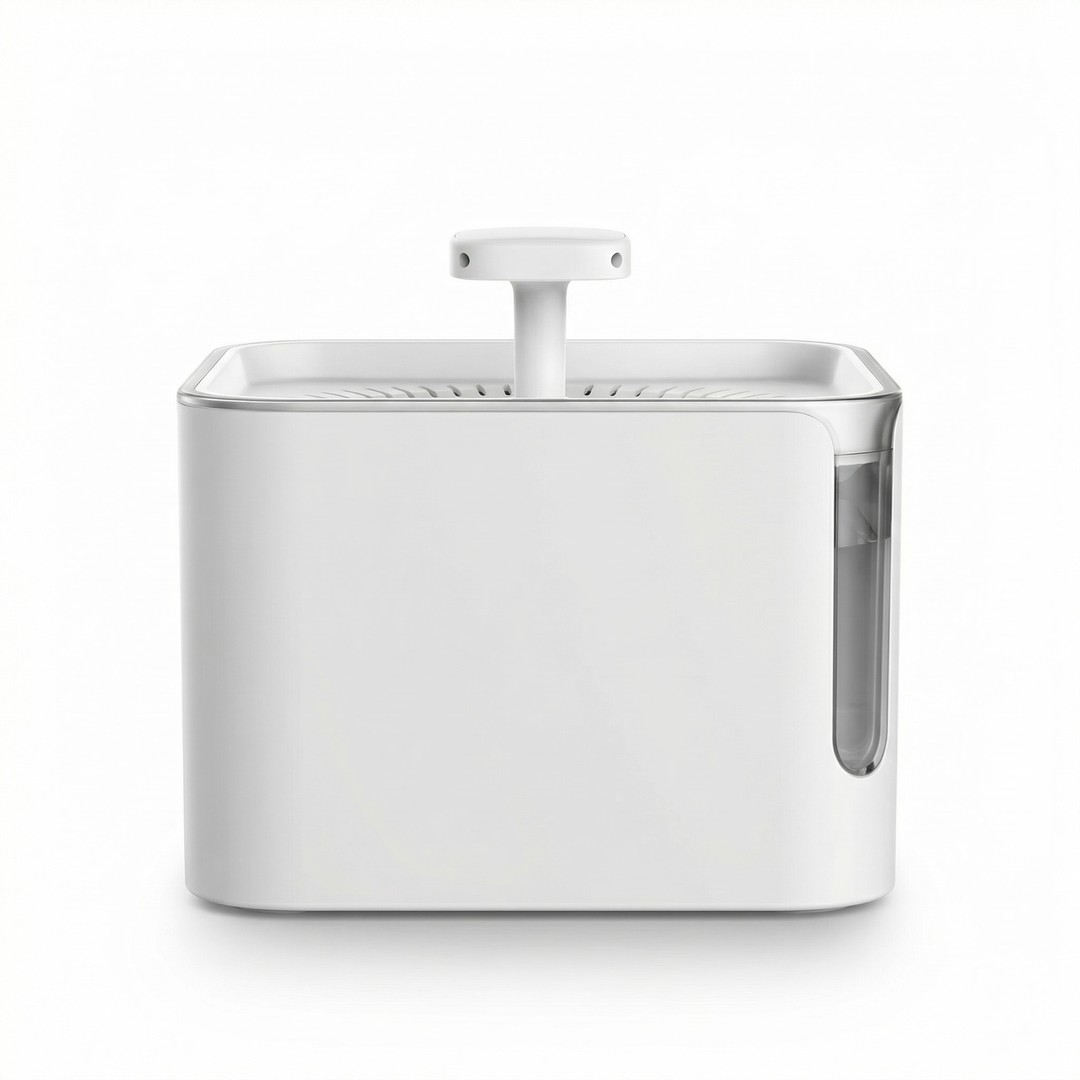
Behavioral Alignment: Flowing water instinctively attracts cats, safely increasing daily water intake and supporting renal health.
Material Matters: Plastic dispensers harbor bacteria in micro-scratches, leading to feline chin acne; 304 stainless steel or ceramic are the only genuinely sanitary options.
The TCO Reality: An automatic cat water dispenser is not a "set-it-and-forget-it" appliance; factor in weekly deep cleans and monthly filter replacements.
Critical Feature: Always prioritize models with an emergency water-pooling tray (e.g., 300ml minimum) in case of power outages.
Evolutionary instincts dictate how pets interact with their environment. Wild cats evolved in arid desert climates where they secured almost all their hydration directly from prey. Because of this genetic history, domestic cats rarely feel a strong urge to drink from a completely still body of water. In nature, stagnant pools often signal contamination. Still water breeds dangerous bacteria, parasites, and deadly pathogens. Conversely, flowing water indicates a fresh, safe source. When you place a standard bowl on the kitchen floor, you are actively fighting thousands of years of survival instincts.
We must also examine the physical constraints of traditional bowls. Deep or narrow water dishes create a frustrating problem called whisker fatigue. A cat's whiskers are highly sensitive tactile hairs packed with proprioceptor nerve endings. When they constantly brush against the hard sides of a deep bowl, it causes intense sensory overload. The cat experiences physical discomfort while trying to drink. To avoid this stress, they might paw water onto the floor. They might refuse the bowl entirely and seek out alternatives, like a human water glass or a running sink.
Gravity dispensers try to fix the empty-bowl problem but fail fundamentally. A gravity bowl only automates the refilling process. It never circulates or aerates the supply. The water sits completely still in the basin. Over just a few days, airborne dust settles on the surface. Feline saliva mixes into the supply, creating a slimy bacterial bio-film. This slime coats the bottom and drastically alters the taste. Cats easily detect this staleness and simply walk away, leaving themselves chronically dehydrated.
Proper hydration directly influences long-term feline health. We must frame increased water intake as a vital preventative measure rather than a mere convenience. Chronic dehydration dramatically increases the risk of Feline Lower Urinary Tract Disease (FLUTD) and Chronic Kidney Disease (CKD). When cats do not drink enough, their urine becomes highly concentrated. This concentration allows minerals to crystallize, leading to painful bladder stones or blockages. Treating a urinary blockage often costs thousands in emergency veterinary bills. Investing in a high-quality Automatic Cat Water Dispenser provides a measurable return on investment by actively encouraging daily hydration and safely flushing toxins from their system.
Filtration mechanics play a massive role in this preventative health equation. Most automated units use multi-layer filtration to keep the supply pristine. Consider how a standard three-stage system works:
Microporous Mesh: Captures large debris like floating hair and loose kibble crumbs before they enter the pump.
Ion Exchange Resin: Softens tap water by removing heavy metals like calcium and magnesium, which directly contribute to urinary crystals.
Activated Carbon: Absorbs unpleasant odors and bad tastes caused by municipal chlorine.
Because the system constantly pushes water through these layers, the supply remains consistently palatable. Moving water also stops highly disruptive behaviors. If your pet constantly wakes you up at 4 AM demanding a running bathroom sink, they are simply craving aeration. A continuous stream satisfies this behavioral urge, letting you sleep peacefully while they stay safely hydrated.
Before upgrading your pet's hydration station, you must understand the Total Cost of Ownership (TCO). A motorized fountain is not a magical, zero-effort appliance. Buyers often look only at the upfront purchase price. However, you must budget for recurring expenses. Proprietary carbon filters require monthly replacement to remain effective. Foam pre-filters degrading over time need swapping to protect the motor from hair jams. You might even need a replacement water pump if severe mineral scale builds up inside the magnetic impeller.
The cleaning burden often surprises new users. You cannot simply toss the entire unit into a dishwasher and forget about it. These devices prove significantly harder to clean than a basic ceramic bowl. If you neglect weekly scrubbing routines, black mold and pink bacterial algae will quickly form. These pathogens thrive inside the dark pump housing and along the inner walls of silicone tubing. You must use tiny bristle brushes to scrub these hidden crevices properly.
We must also evaluate noise and environmental constraints. Pump vibration can echo against hard floors, creating a low-frequency hum. Splashing water creates constant ambient noise. While some humans enjoy a zen-like trickling sound, sensitive or anxious cats might actively avoid a loud unit. Furthermore, these machines require a nearby electrical outlet. This limits where you can place the fountain in your home, forcing you to manage unseemly cords to prevent tripping hazards.
Below is a breakdown of the typical Total Cost of Ownership over a single year:
Expense Category | Frequency | Estimated Annual Cost |
|---|---|---|
Initial Unit Purchase | Once (Year 1) | $30 - $60 |
Carbon Filter Packs | Every 2-4 weeks | $20 - $40 |
Foam Pre-filters | Every 1-2 months | $10 - $15 |
Cleaning Brushes/Descaler | As needed | $10 - $15 |
Selecting the best model requires careful evaluation of safety and design features. Material longevity stands as the most critical factor. You should firmly reject BPA-free plastic models. Over time, plastic develops microscopic scratches from basic cleaning sponges. These micro-scratches harbor stubborn bacteria that cause feline comedones, commonly known as chin acne. Instead, prioritize food-grade 304 stainless steel or high-fired ceramic. These materials remain non-porous, highly sanitary, and incredibly easy to sanitize.
Power delivery and redundancy options dictate how the unit functions during emergencies. Continuous-flow USB models run constantly, providing a reliable stream. However, battery-operated PIR (Passive Infrared) sensor models offer distinct advantages. These smart units only activate water flow when the cat steps within 1.5 meters. This saves battery life and extends pump longevity. Regardless of the power source, emphasize redundancy. Always demand a shallow emergency pooling dish. If a severe power failure occurs while you are at work, a pooling tray holding at least 300ml of reserve water prevents dangerous dehydration until you return.
Acoustic thresholds matter immensely for skittish pets. Set strict noise limit criteria during your search. Look for independent testing data proving the operation remains under 35 decibels (dB). A 35dB rating ensures the pump runs quieter than a library whisper, preventing acoustic stress.
Finally, examine the specific design architecture. Look for a shallow, wide drinking pan. This open layout actively eliminates the whisker fatigue we discussed earlier. Additionally, search for an easily visible water-level window or a prominent LED indicator light. Without a clear view of the water volume, you risk dry-running the pump, which permanently destroys the motor.
Let us summarize the core material choices in a quick comparison chart:
Material Type | Durability | Hygiene Level | Whisker Friendliness |
|---|---|---|---|
Plastic (ABS/PET) | High (Drop-proof) | Low (Prone to micro-scratches) | Varies by design |
304 Stainless Steel | Very High | Very High (Non-porous) | Excellent |
Ceramic | Low (Fragile) | Very High (Non-porous) | Excellent |
Bringing a new machine home guarantees nothing if your cat refuses to approach it. A poorly executed transition plan often leads to immediate rejection. Never remove the old water bowl on the first day. Cats despise sudden environmental changes. Instead, outline a gradual, phased rollout.
Place the newly purchased Automatic Cat Water Dispenser directly next to their familiar old bowl. Leave the new unit completely powered off for the first two days. Let them inspect the strange new object entirely on their terms. Once they seem comfortable, turn it on at its lowest flow setting. You can use high-value treats or a few drops of low-sodium chicken broth in the new basin to build strong, positive associations. Once they confidently drink from the moving stream, you can finally remove the old bowl entirely.
Spill mitigation requires foresight. We must acknowledge that some "water-playing" breeds, like Maine Coons or Bengals, view moving water as a toy. They will inevitably bat at the stream and splash water onto your floors. We highly recommend purchasing a raised silicone spill mat. A mat with raised edges protects expensive hardwood floors from warping and catches stray kibble.
Establishing a strict Standard Operating Procedure (SOP) for hygiene keeps the system safe long-term. Haphazard cleaning routines quickly compromise feline health. Follow this straightforward hygiene checklist:
Daily Visual Checks: Inspect the water-level window every morning. Top off the basin to keep the pump fully submerged.
Weekly Pump Breakdowns: Disconnect the unit from the wall. Disassemble the pump, remove the magnetic impeller, and scrub inside the cavity with a tiny bristle brush to remove slime.
Scheduled Replacements: Swap out the primary carbon filter on a strict 2-to-4-week cycle. Increase this frequency if you manage a multi-cat household.
Automatic waterers prove objectively beneficial for feline health, provided you remain fiercely committed to the required maintenance schedule. They elegantly solve the evolutionary mismatch between a cat's naturally low thirst drive and the severe dehydration risks posed by modern dry-food diets. Moving water stimulates their natural drinking behaviors, ultimately safeguarding their vulnerable kidneys against chronic disease and crystal formation. While they require weekly cleaning and monthly filter replacements, the veterinary savings alone make the investment worthwhile.
As your next step, audit your cat's current drinking habits. If they constantly act as "sink-drinkers" or bat at their stagnant gravity bowl, they will likely adapt instantly to a motorized stream. Measure your available floor space to identify a cord-safe area, away from heavy foot traffic. Then, confidently invest in a high-quality, 304 stainless steel Automatic Cat Water Dispenser equipped with an emergency pooling tray to transform their daily hydration routine safely.
A: Yes, modern dispensers are highly safe for continuous use. Most high-quality units feature a built-in pump auto-shutoff mechanism. If the water level drops too low, the sensor detects the change and immediately cuts power. This dry-burn prevention stops the motor from overheating, eliminating potential fire risks while you remain away from home.
A: Cats are naturally cautious of unfamiliar sounds and sudden movements. The low hum of the motor or the visual surge of moving water can easily trigger their startle reflex. Always use a gradual, side-by-side introduction. Keep the old bowl nearby and leave the new fountain turned off initially to allow low-stress exploration.
A: No. While a flowing dispenser significantly increases daily water consumption, it should only supplement a balanced diet. A moisture-rich wet food diet remains the biological gold standard for feline renal support. You should utilize both strategies simultaneously to aggressively protect against chronic kidney disease and urinary blockages.


